Technical Subjects to Revolutionise English Education at 14
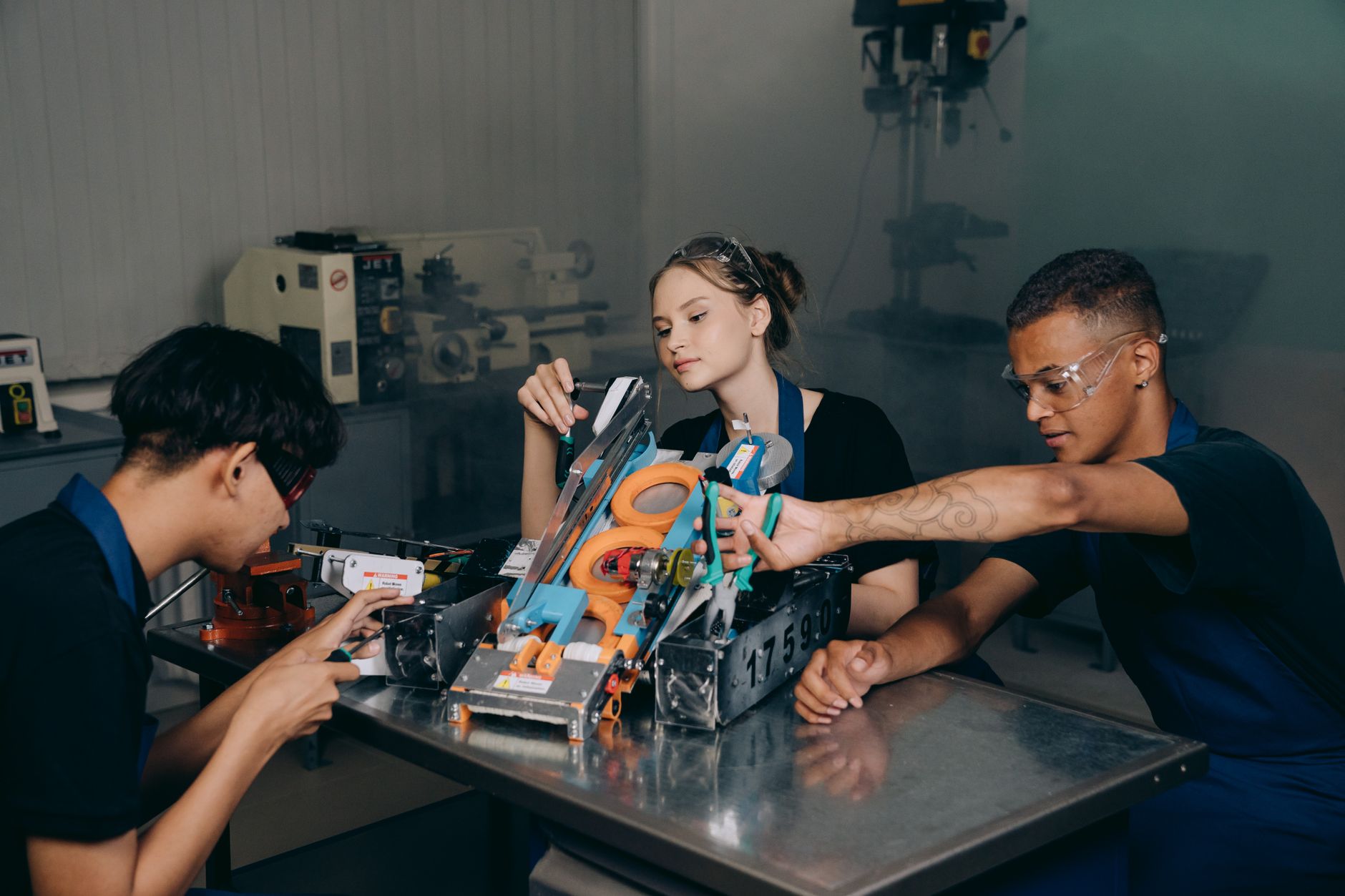
As students shuffle into classrooms across England, a quiet revolution is taking place. From next academic year, pupils as young as 14 will have the opportunity to study technical subjects alongside traditional core courses, thanks to a bold reform initiative spearheaded by Prime Minister Andy Burnham.
Gone are the days when education was a one-size-fits-all affair. The new plans, which include subjects such as artificial intelligence and manufacturing, are designed to reflect the evolving demands of the modern workforce. By introducing these subjects at an earlier age, the government aims to better prepare students for the realities of the job market.
The proposal has been met with a mixture of optimism and scepticism. Proponents argue that the integration of technical subjects will not only equip students with practical skills but also ignite interest in fields that are vital to the nation's economic future. Critics, however, express concerns about the readiness of schools to deliver such specialised education and the potential overshadowing of traditional subjects.
Mr Burnham, addressing a group of educators, emphasised the importance of adapting education to meet the needs of the 21st century. "By offering these pathways, we are not only broadening the horizons of our young people but also ensuring they have the tools to succeed in a competitive world," he noted.
In practice, these reforms mean that students will continue to study core subjects like maths, English, and science, while also having the option to delve into technical courses that align with job opportunities in their region. This dual approach is expected to foster stronger connections between schools and local industries, providing students with invaluable work experience.
The initiative highlights a strategic shift in education policy, acknowledging the diverse talents and aspirations of students. It is a recognition that academic prowess is just one facet of a well-rounded education. As the reforms take shape, all eyes will be on their implementation and the tangible outcomes they bring.