Telangana Pioneers Ethanol-Powered EV Charging
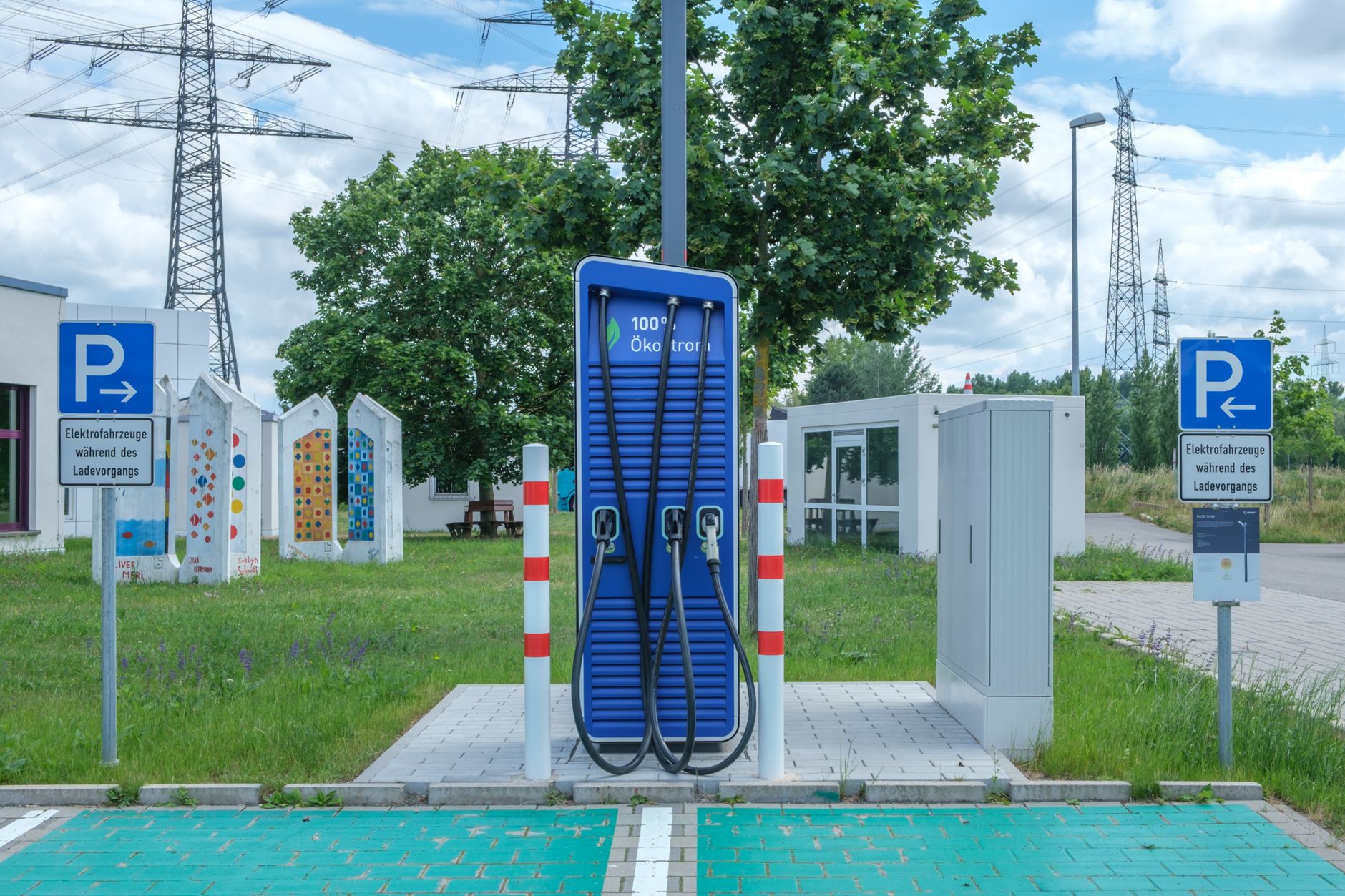
In the bustling metropolis of Hyderabad, a quiet revolution in green technology was launched, promising to reshape the landscape of electric mobility in India. On a sunny afternoon, Union Minister G. Kishan Reddy proudly unveiled what is heralded as the world's first ethanol-based EV charging technology. This innovation, spearheaded by KETO Motors, seeks not only to bolster India's green energy initiatives but also to offer a sustainable alternative to conventional electric charging methods.
The introduction of this ethanol-based charging mechanism is more than a technological feat; it is a strategic move poised to support local agriculture and reduce the nation's dependency on imported petroleum products. By utilising ethanol, primarily derived from crops such as sugarcane, the initiative aligns with India's broader goals of enhancing energy security and promoting self-reliance.
A Step Towards Sustainability
Minister Reddy, while launching the first commercial electric bus powered by this innovative technology, remarked, "Electric mobility should not be viewed merely as an alternative but a necessity for sustainable development." His comments underscore a critical shift in policy, one that places electric vehicles at the heart of India's future transport strategy.
Reddy further highlighted the multifaceted benefits of this approach. "By embracing ethanol-based charging, we are not only reducing pollution but also supporting our farmers," he noted, indicating the dual economic and environmental advantages of the programme.
Future Implications
As the world grapples with the urgent need to pivot towards renewable energy, India's adoption of ethanol-based technology could serve as a model for other nations. The emphasis on reducing fuel imports dovetails with the global push for energy independence and carbon neutrality.
While the full impact of this initiative will unfold over time, its introduction marks a significant milestone. It illustrates a commitment to innovative solutions that marry technological advancement with environmental stewardship. As India continues to navigate its energy transition, projects like these will be crucial in setting the course for a sustainable future.