Telangana's Push for Tech-Driven Minor Irrigation Systems
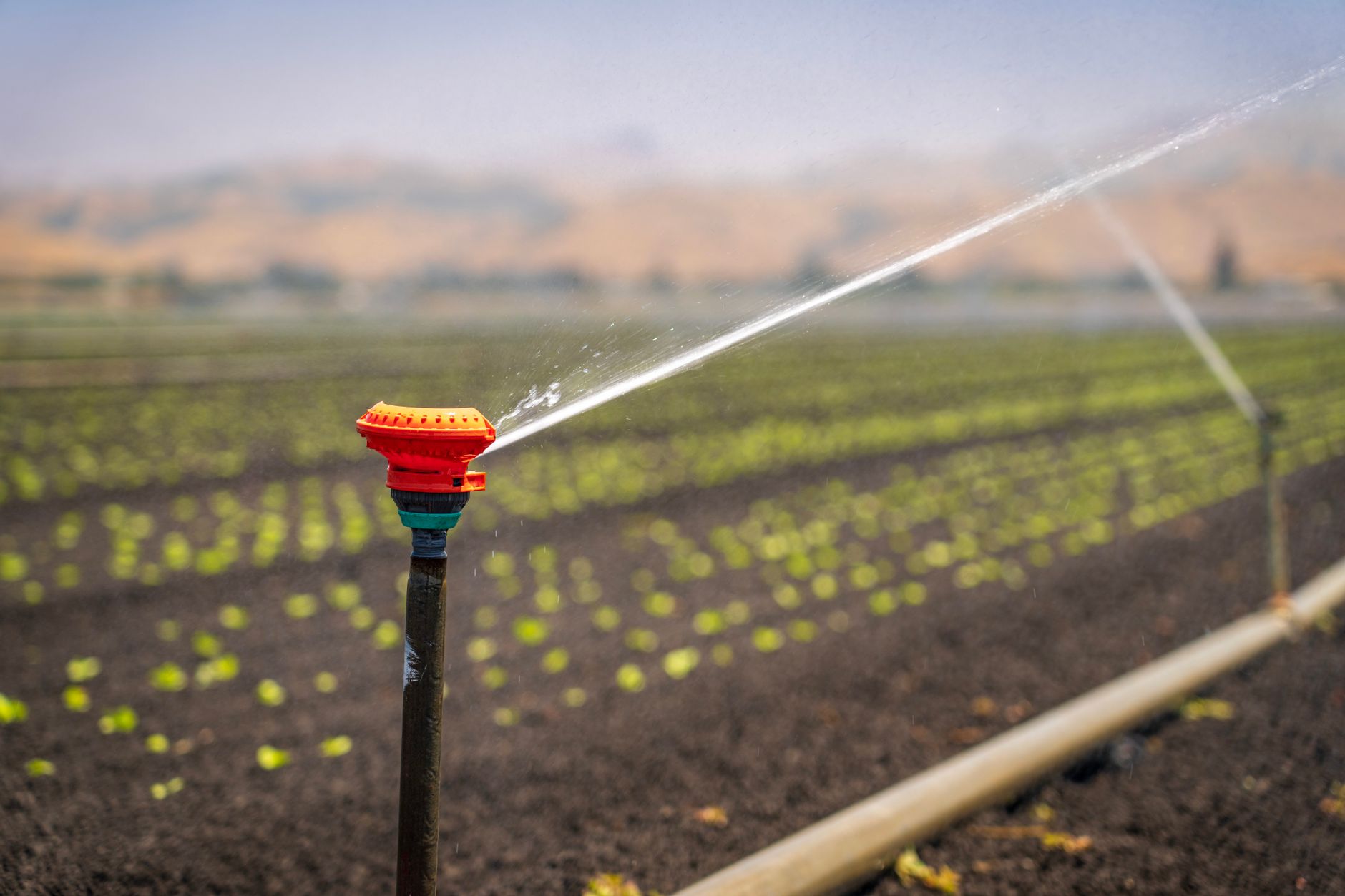
In the heart of Hyderabad, a plan is taking shape that could redefine how water resources are managed in Telangana. The state's Agriculture and Farmers’ Welfare Commission has put forward a bold proposition: reviving the minor irrigation system with the aid of modern technology. This initiative is part of a wider effort to enhance water-use efficiency and ensure the sustainability of local agriculture.
Minor irrigation projects, often overshadowed by their larger counterparts, play a crucial role in meeting the irrigation needs of farmers, especially those with smaller holdings. These systems, defined by their command areas of less than 2,000 hectares, rely on localised water sources such as wells and tanks. The Commission's recommendation to the state government includes re-establishing these systems with a focus on technological innovation.
Among the suggestions is the development of command area-based management systems that connect minor and major irrigation resources. This integrated approach could significantly improve water distribution and reduce wastage, a critical need in a region where water scarcity is a perennial challenge.
A New Legislative Framework
The Commission has also called for the enactment of a new minor irrigation law. This legislation would specifically address the protection and management of tanks, which are vital for storing water during dry spells. By legalising the framework, the state aims to provide a more robust defence against the vagaries of climate change that impact water availability.
Furthermore, the proposal includes the rapid development of surface water-based irrigation structures, tailored to the region's hydro-geological features. This is envisaged to support cultivation during the Rabi and Pre-kharif seasons, ensuring that farmers can rely on consistent water supply.
The introduction of technology-driven units within minor irrigation systems is not merely an upgrade; it's an essential evolution. By leveraging modern technology, the state can optimise water use, enhance agricultural productivity, and ultimately, support the livelihoods of its farmers.
As Telangana considers these recommendations, the focus remains on creating a sustainable and efficient agricultural ecosystem. In a world where resources are finite, the state's proactive approach could serve as a blueprint for other regions facing similar challenges.