Tensions Flare as CJP's Ranka Challenges Rajasthan Police
In an encounter that epitomises the volatile atmosphere of Indian politics, Ashutosh Ranka, national spokesperson for the Cockroach Janta Party (CJP), found himself in a verbal duel with a Rajasthan police officer this week. Ranka, a vocal critic of perceived governmental apathy, accused the officer of 'playing politics' amidst a backdrop of escalating tensions surrounding the National Eligibility cum Entrance Test (NEET) controversy.
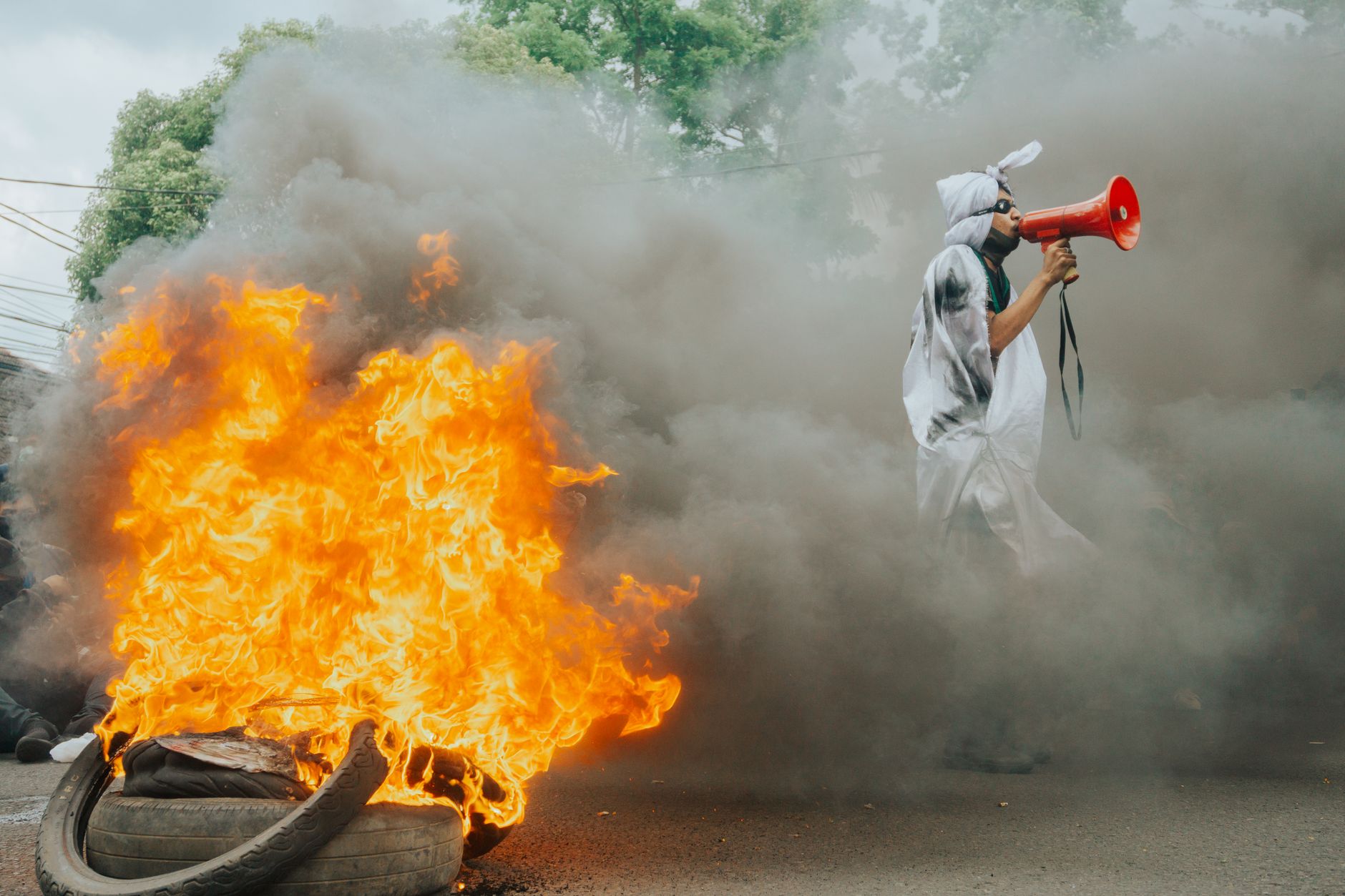
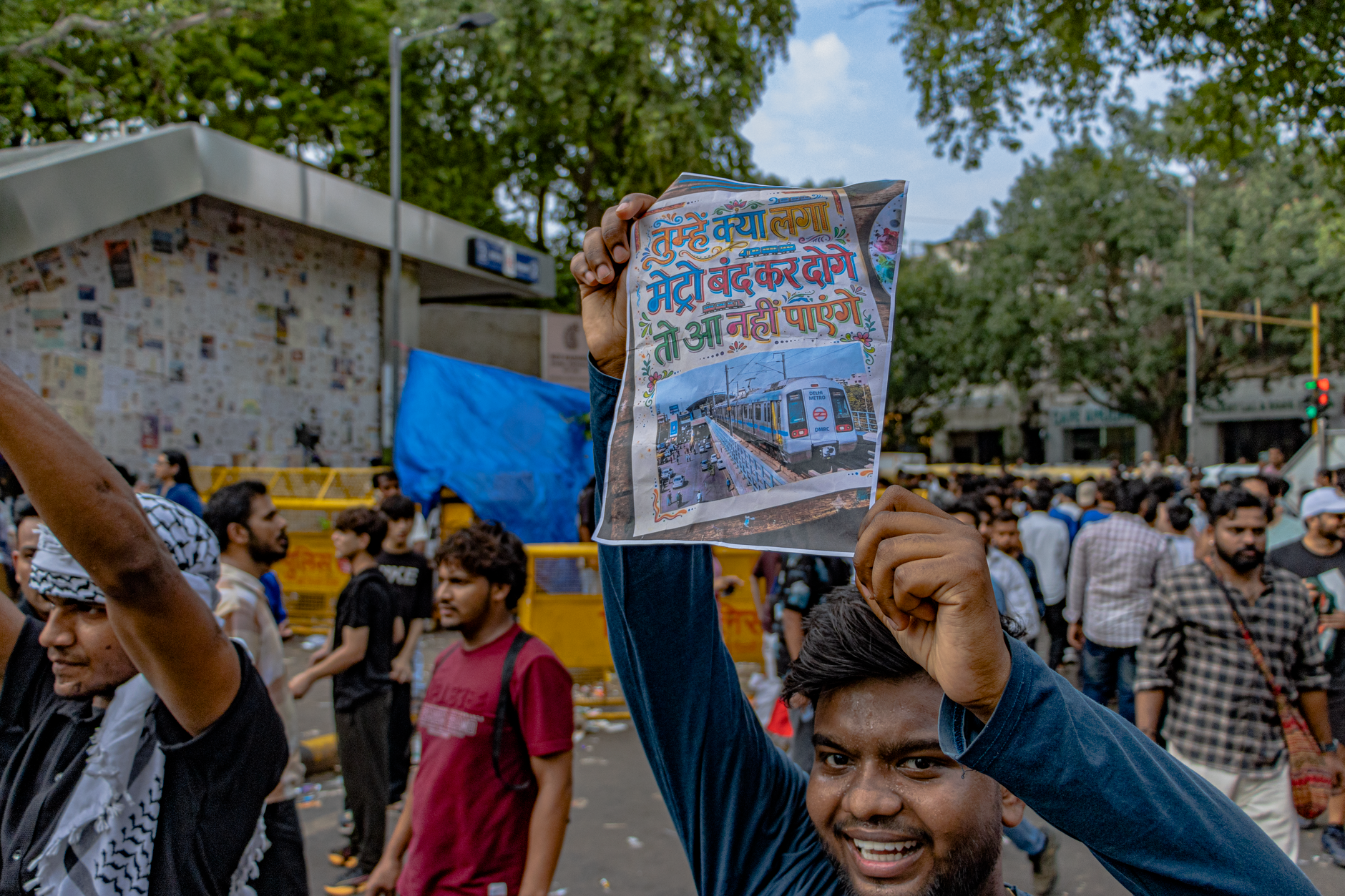
Standing before a throng of protesters, Ranka's confrontation was not merely a personal grievance but a reflection of broader political discontent. "Don’t play politics with me," he admonished, as he echoed the sentiments of thousands demanding accountability from Education Minister Dharmendra Pradhan, whose resignation has become a rallying cry for demonstrators. The NEET debacle, which has left many students and families in limbo, serves as a catalyst for wider public frustration.
Protests Gain Momentum
The CJP's sustained protest action, now entering its second month, has become a symbol of resistance against what many perceive as systemic neglect. Ranka, addressing a joint press conference alongside Union Ministers Jitendra Singh and JP Nadda, declared the protests a "win for the common man". His words resonate with a populace weary of bureaucratic inertia and eager for substantive change.
While the resignation of Pradhan was hailed as a victory by Ranka, he underscored that it came only after a gruelling period of resistance and did not address the underlying issues that sparked the demonstrations. "If you accept our three demands in writing, we will go home," he asserted, encapsulating the protesters' resolve.
The Political Chessboard
The altercation with the police highlights the delicate balance of power in a country where political manoeuvring often supersedes public interest. The CJP, a party known for its grassroots approach and unconventional methods, has capitalised on public discontent to galvanise support. However, the dismissal of spokesperson Vijeta Dahiya following a viral video of him eating a burger during a crackdown at Jantar Mantar shows that even within the party, optics remain crucial.
As the protests continue, the government's response, or lack thereof, will likely influence the political landscape in the months to come. For now, Ranka's stance against perceived political gamesmanship serves as a stark reminder of the simmering tensions that lie beneath the veneer of India's democratic processes.