Tensions Rise as Trump Demands New Iranian Deal; Oil and Gold React
As the sun rose over global markets on Monday, investors were greeted with a familiar but no less unsettling refrain: uncertainty. This time, it was President Donald Trump's latest salvo in the ongoing diplomatic chess game with Iran that set the stage. By demanding new concessions from Tehran, Trump has thrown a spanner in the works, leaving markets teetering.
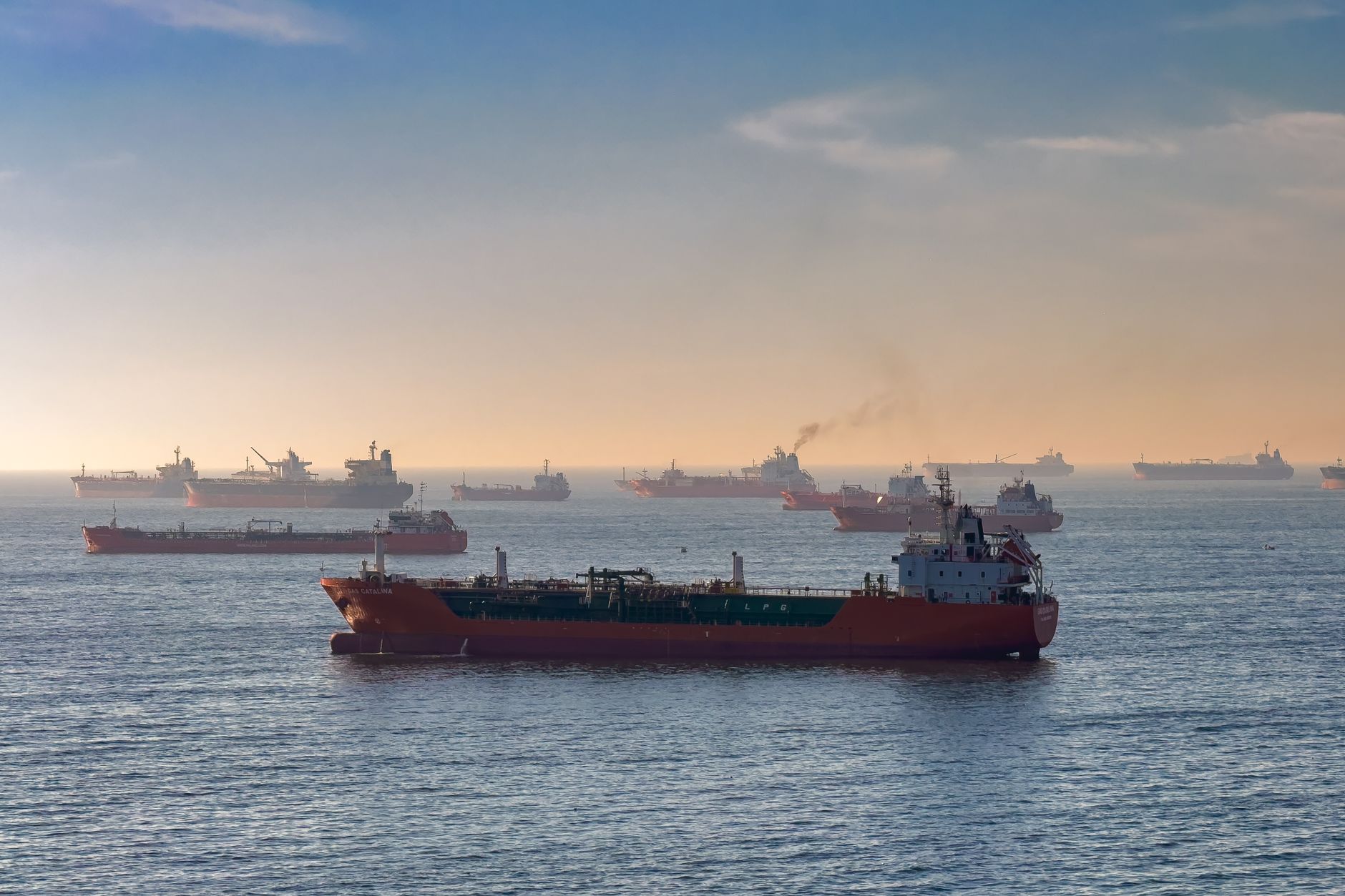
Oil prices climbed in early trading, reflecting concerns over prolonged negotiations and potential disruptions to the Strait of Hormuz, a vital artery for the world's oil supply. While the full details of Trump's demands remain under wraps, the mere suggestion of further entanglements has been enough to unsettle investors.
Gold, that perennial safe haven, saw its price surge to its highest level in over two months, peaking at $4,434.84 an ounce before easing slightly. This rise underscores a broader sentiment of caution amongst investors, who are hedging their bets amid geopolitical tensions.
The Market's Reaction
The market's reaction was swift if not unexpected. Oil traders, already skittish from mixed signals regarding the US-Iran negotiations, responded with typical vigour. Prices steadied near one-week highs, suggesting a collective holding of breath as the situation develops.
Meanwhile, gold's brief ascent serves as a barometer of market anxiety. With each new twist in the Trump administration's foreign policy approach, the precious metal sees an uptick as investors seek refuge from the storm.
The Broader Implications
But why does this matter? Beyond the immediate market implications, Trump's demands point to a larger narrative of geopolitical instability. The Strait of Hormuz is more than just a geographical chokepoint; it's a critical juncture in the global energy supply chain. Any disruption here could have cascading effects, impacting everything from fuel prices to broader economic stability.
As the world watches this high-stakes drama unfold, one thing is clear: the interplay between diplomacy and market dynamics is as complex as ever. Investors, policy makers, and ordinary citizens alike must remain vigilant, as the consequences of these developments could resonate far beyond the trading floors.