Tesla Dismisses China Sale Rumours, Introduces Doubao Software Update
Amid swirling rumours and speculative reports, Tesla has firmly put its foot down, denying any intention to offload its China business. The electric car manufacturer, which operates a sprawling Gigafactory in Shanghai, has labelled the reports of divesting its Chinese operations as unfounded. The denial comes on the heels of a Western media narrative suggesting that Tesla might be considering a merger with SpaceX, catalysed by a supposed sell-off in China.
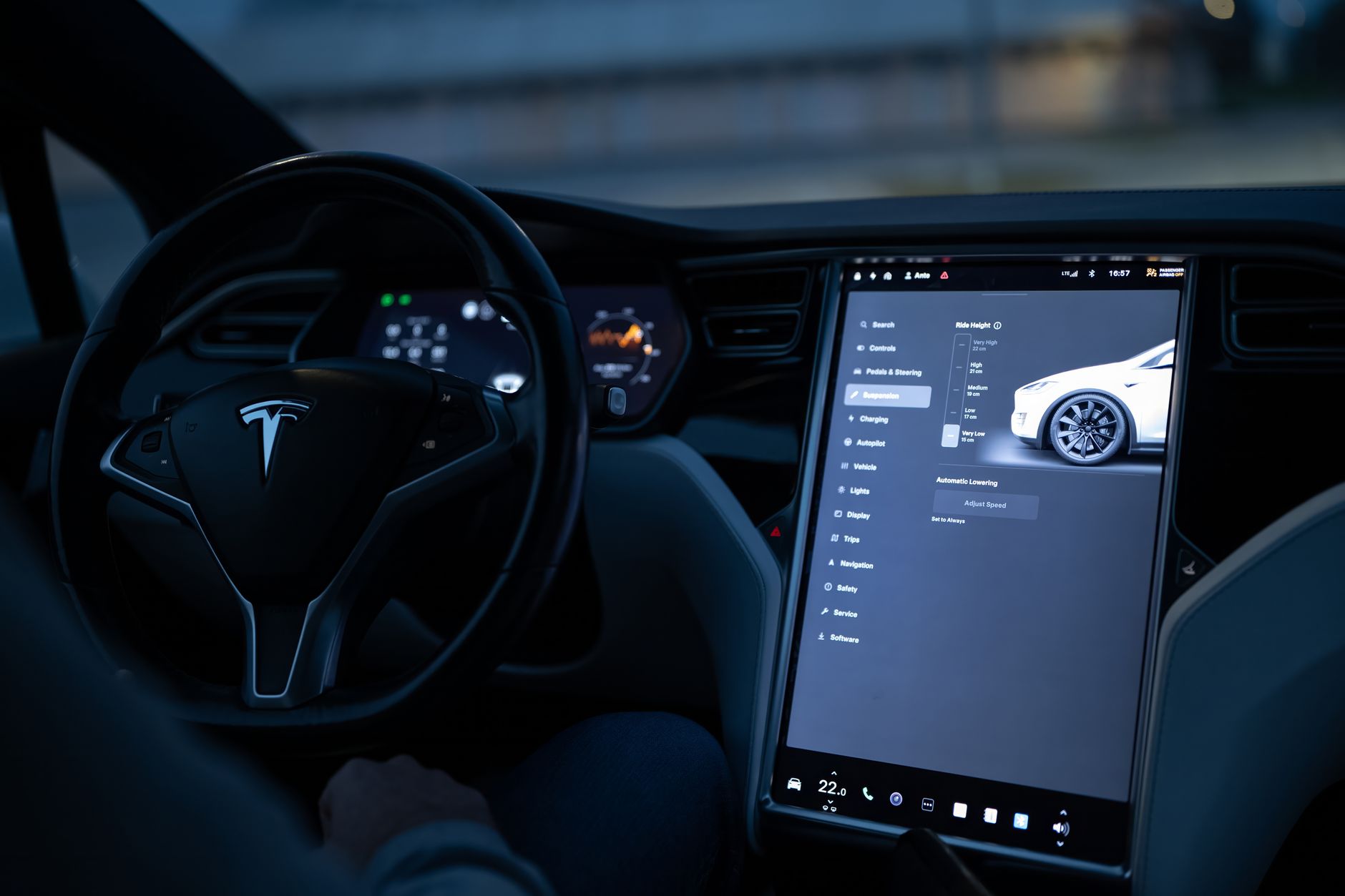
In a strategic move to reinforce its presence in China, Tesla has rolled out a software update across its Model 3, Model Y, Model S, and Model X vehicles. This update integrates Doubao, a Chinese large language model, as an intelligent voice assistant. The inclusion of Doubao marks a significant technological enhancement, designed to bolster user interaction and vehicle security.
China remains a pivotal market for Tesla, not least because of its burgeoning in-vehicle AI sector. The integration of Doubao allows Tesla to tap into the preferences of Chinese consumers, who have shown a keen appetite for advanced AI features in vehicles. By aligning with local technological advancements, Tesla aims to maintain its competitive edge amidst fierce competition from domestic players.
Critics argue that Tesla's move is a shrewd manoeuvre to deepen its roots in a market that is both lucrative and challenging. The Chinese government's push for local innovation and technology has led to a surge in homegrown AI capabilities, making Tesla's Doubao partnership a timely response to this trend.
While the rumours of a China exit have been categorically dismissed, the episode underscores the volatility of narratives in the global business arena. For Tesla, the focus remains on innovation and expansion, particularly in regions where technological integration is rapidly evolving.