The Art of Vitriol: Obscenity in Tamil Nadu's Political Theatre
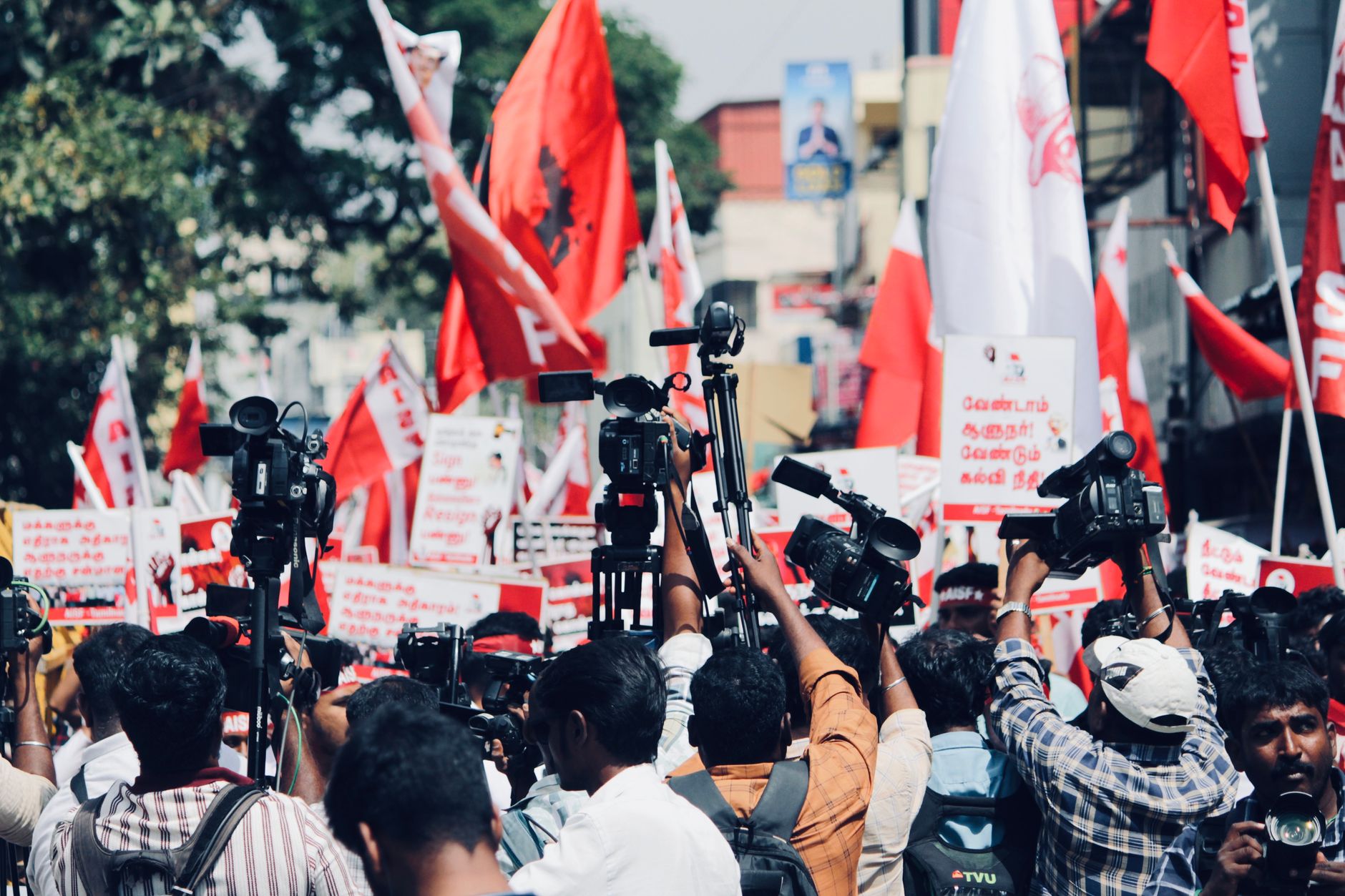
In the theatrical world of Tamil Nadu politics, words are weapons wielded with precision and, sometimes, reckless abandon. The state's political arena is notorious for its rhetorical flourishes, where the line between eloquence and obscenity is often blurred. Recent events have once again brought this issue to the fore, with the Supreme Court providing clarity on what constitutes obscene and abusive language.
Traditionally, Tamil Nadu's political landscape has been a stage for fiery oratory. Senior leaders typically reserve themselves for articulating policy and ideology, while their second-in-command let loose with speeches that could make even the most seasoned political observer wince. It's a system that has worked, albeit controversially, for decades.
The Supreme Court’s latest ruling seeks to define the boundaries of decency in political speech. It stated that not all abusive language amounts to obscenity, a decision that seems poised to reshape the verbal battlegrounds of Tamil Nadu. This comes at a time when political tensions are already high, following a series of controversial remarks and actions by key political figures, such as the Finance Minister's religious gesture in the Assembly and recent incendiary comments on the Cauvery water dispute.
Historical Context
Political vitriol is not a new phenomenon in Tamil Nadu. The Dravidian movement, which has been the bedrock of the state's politics since the mid-20th century, often employed sharp rhetoric as a tool to mobilise masses and stir public sentiment. Leaders like C.N. Annadurai and M. Karunanidhi were masters of the art, using language as a means to challenge the status quo and rally support.
However, in recent years, the tone has shifted from ideological critique to personal attacks, with speeches increasingly laced with derogatory terms. This has led to a growing chorus of voices calling for a return to more civilised discourse.
The Path Ahead
The Supreme Court’s intervention could be a turning point. By drawing a distinction between mere abuse and legal obscenity, it provides a framework that could potentially rein in the more egregious examples of verbal excess. Yet, the effectiveness of this ruling will depend on its enforcement and the willingness of political parties to self-regulate.
As Tamil Nadu navigates its political future, the challenge will be to retain the fiery spirit of its discourse while ensuring it does not devolve into mere mudslinging. The court's ruling may serve as a guide, but the true test will lie in its practical application.