The Climate Cost of Organic Eggs: A Surprising Revelation
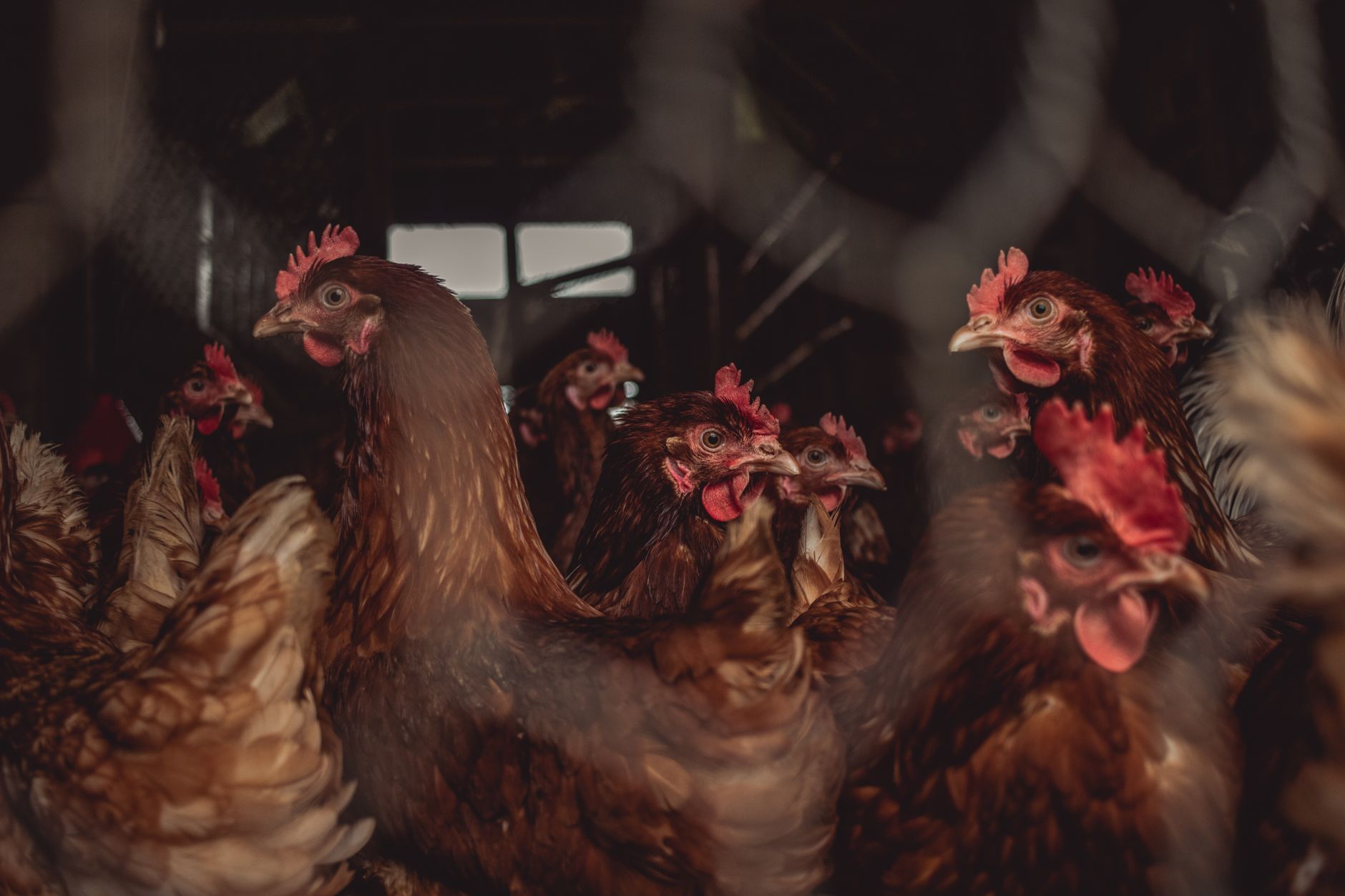
In a revelation that may ruffle feathers in the organic farming community, new research suggests that organic eggs contribute more significantly to climate change than those produced by caged hens. The study, conducted by an environmental research group, indicates that the inefficiencies inherent in organic egg production result in higher greenhouse gas emissions.
The crux of the matter lies in the production methods. Organic, free-range chickens, while enjoying a better quality of life, require more space and resources, leading to a higher number of hens needed to produce the same quantity of eggs. This, in turn, amplifies the carbon footprint associated with their upkeep, as opposed to the more efficient caged systems.
The Ethical Dilemma
The findings pose a conundrum for consumers and policymakers alike. The shift towards organic farming has been largely driven by concerns over animal welfare, with free-range systems perceived as more humane than caged ones. However, this research challenges the notion that ethical farming practices are inherently better for the environment.
If the UK were to transition entirely to organic egg production, the study estimates a staggering increase in greenhouse gas emissions equivalent to over 2 million tonnes of CO2. This figure starkly contrasts with the emissions from caged egg production, which requires fewer resources per egg.
Balancing Welfare and Sustainability
Dr. Harriet Clark, a leading environmental scientist involved in the study, explains, "It's a classic case of conflicting priorities. We must weigh the benefits of animal welfare against the broader environmental impact. The solution might not be as straightforward as simply choosing one over the other."
The debate over the sustainability of organic versus conventional farming practices is not new, but this study injects fresh data into the conversation. It underscores the need for a nuanced approach to agriculture, one that considers both ethical treatment of animals and the pressing demands of climate change.
As consumers become increasingly aware of the environmental cost of their food choices, the challenge will be finding a balance that honours both ethical and ecological considerations. Until then, the question remains: Is it the chickens' happiness we prioritise, or the health of our planet?