The Dawn of V2V Technology: Cars in Conversation
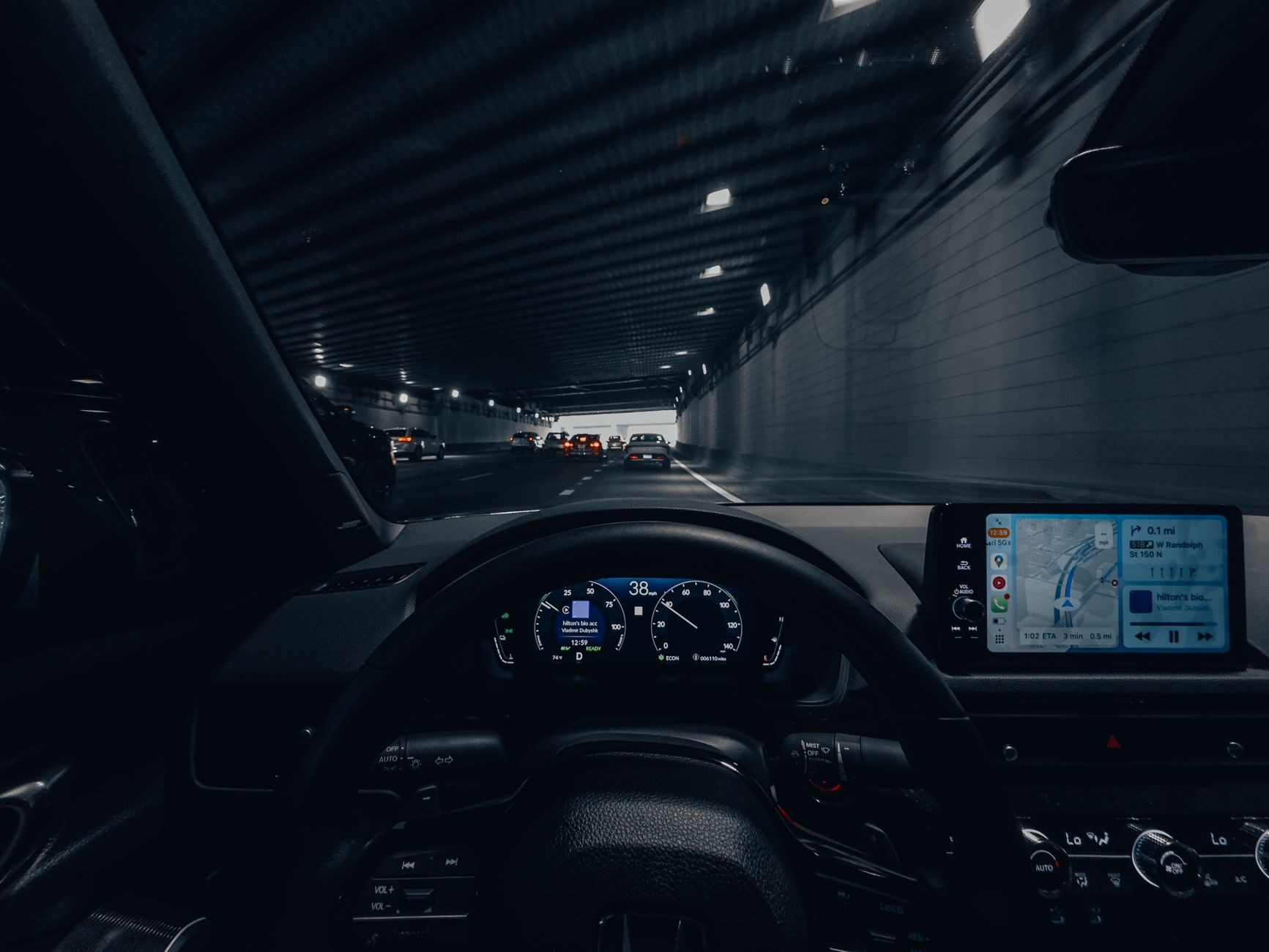
Imagine driving along a bustling motorway when, suddenly, your car alerts you to a potential hazard ahead—long before you could have ever seen it. This is not science fiction, but rather the promise of Vehicle-to-Vehicle (V2V) technology. In an era where technology pervades every aspect of life, cars 'talking' to each other seems a logical step forward.
At its core, V2V technology allows vehicles to wirelessly exchange information such as speed, direction, and braking status. This real-time data sharing enables vehicles to anticipate and react to hazards far more swiftly than humanly possible, potentially preventing accidents and saving lives.
The Mechanics Behind the Conversation
V2V communication relies on a dedicated short-range communication (DSRC) system, a sort of automotive Wi-Fi, which operates within a specific radio frequency band. This network facilitates the exchange of data between vehicles within a few hundred metres of each other, creating a dynamic web of information that can extend across entire road networks.
The technology's implications extend beyond mere accident prevention. By providing a constant stream of traffic data, V2V can help manage congestion more effectively, leading to smoother journeys and reduced emissions—a boon for urban environments struggling with pollution.
A Step Towards Autonomy
While the notion of cars communicating may seem futuristic, it is a crucial building block for the autonomous vehicles of tomorrow. V2V is expected to integrate seamlessly with Vehicle-to-Infrastructure (V2I) systems, where vehicles interact with traffic signals, road signs, and other infrastructure.
However, the path to widespread adoption is fraught with challenges, not least of which is ensuring interoperability between vehicles from different manufacturers. Privacy concerns also loom large, as does the need for robust cybersecurity measures to prevent malicious hacking.
Nevertheless, the potential benefits are immense. As V2V technology gains traction, it promises to not only enhance safety but also transform the very nature of driving, heralding a future where roads are safer, journeys are smoother, and the spectre of human error is significantly diminished.