The Delicate Dance of Groundwater and Agriculture
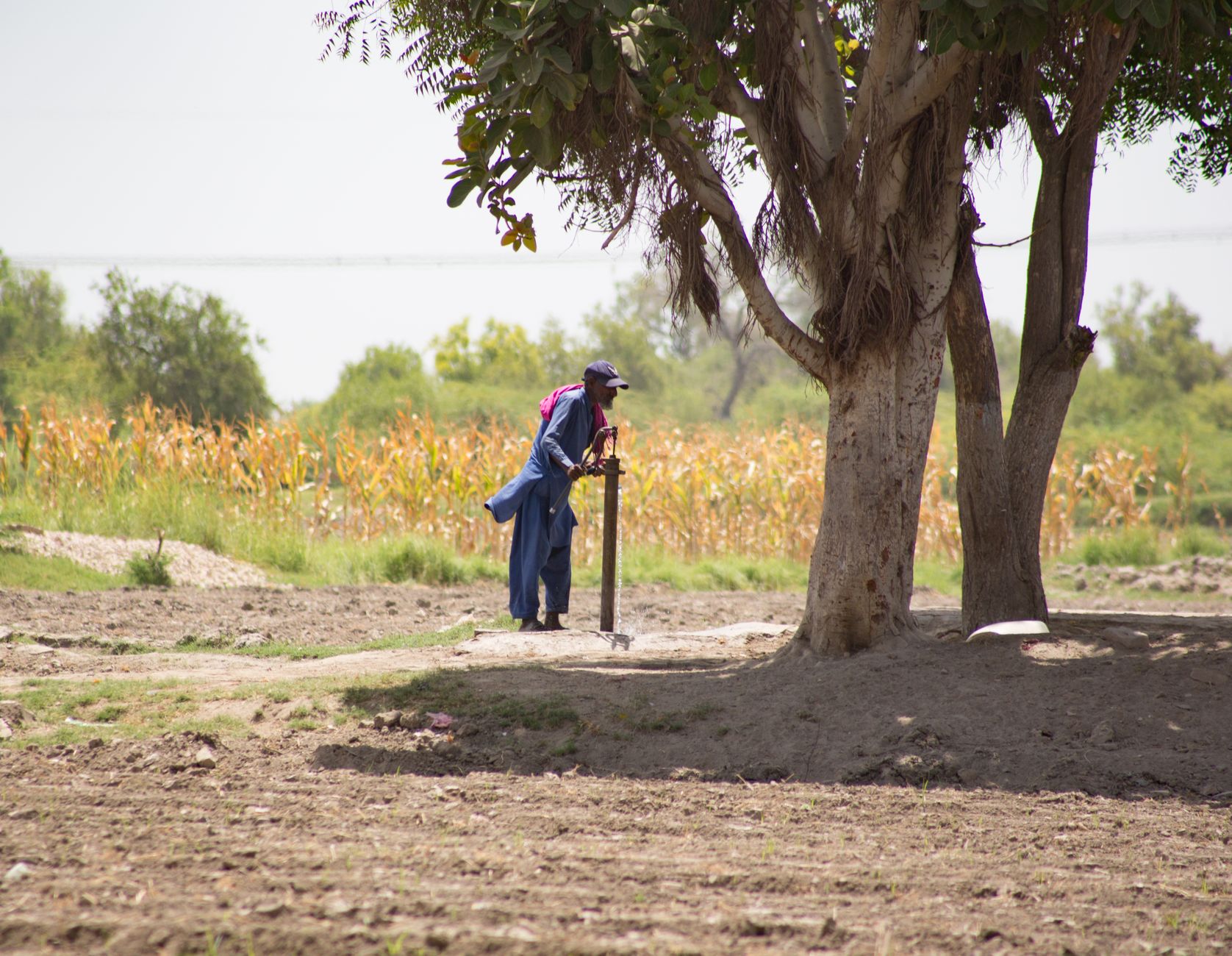
In the quiet fields of rural landscapes, a profound challenge simmers beneath the surface. Groundwater, the invisible lifeline for countless farmers, is being drained at an alarming rate, threatening both agricultural productivity and the environment itself.
Irrigated agriculture, the backbone of food production, has long relied on this precious resource. However, the very success of irrigation is now its Achilles’ heel. Farmers often draw more water than their crops require, leading to depletion that could spell disaster for future generations.
Striking a Balance
While the necessity of groundwater for crop production is undeniable, its unsustainable use poses significant risks. As water tables drop, ecosystems that depend on groundwater face existential threats. This includes wetlands, which are crucial for biodiversity and act as natural water filters.
What is needed is a delicate balance. Innovative water management strategies are essential to ensure that agriculture can thrive without compromising environmental health. Techniques such as cover cropping provide a glimmer of hope, offering a method to maintain soil health and reduce water usage.
Policy and Practice
Policymakers and agriculturalists must collaborate to develop strategies that conserve water without harming agricultural yields. Integrated hydro-economic models, such as those proposed by researchers like Varela-Ortega, offer frameworks for understanding the complex interplay between water use and rural livelihoods.
Ultimately, the challenge lies not just in conserving water but in rethinking our approach to agriculture. By adopting more sustainable practices, we can secure both our food supply and the health of our environment. The way forward requires innovation, cooperation, and a commitment to change.