The Distorted World: Unpacking the Truths and Myths of Popular Maps
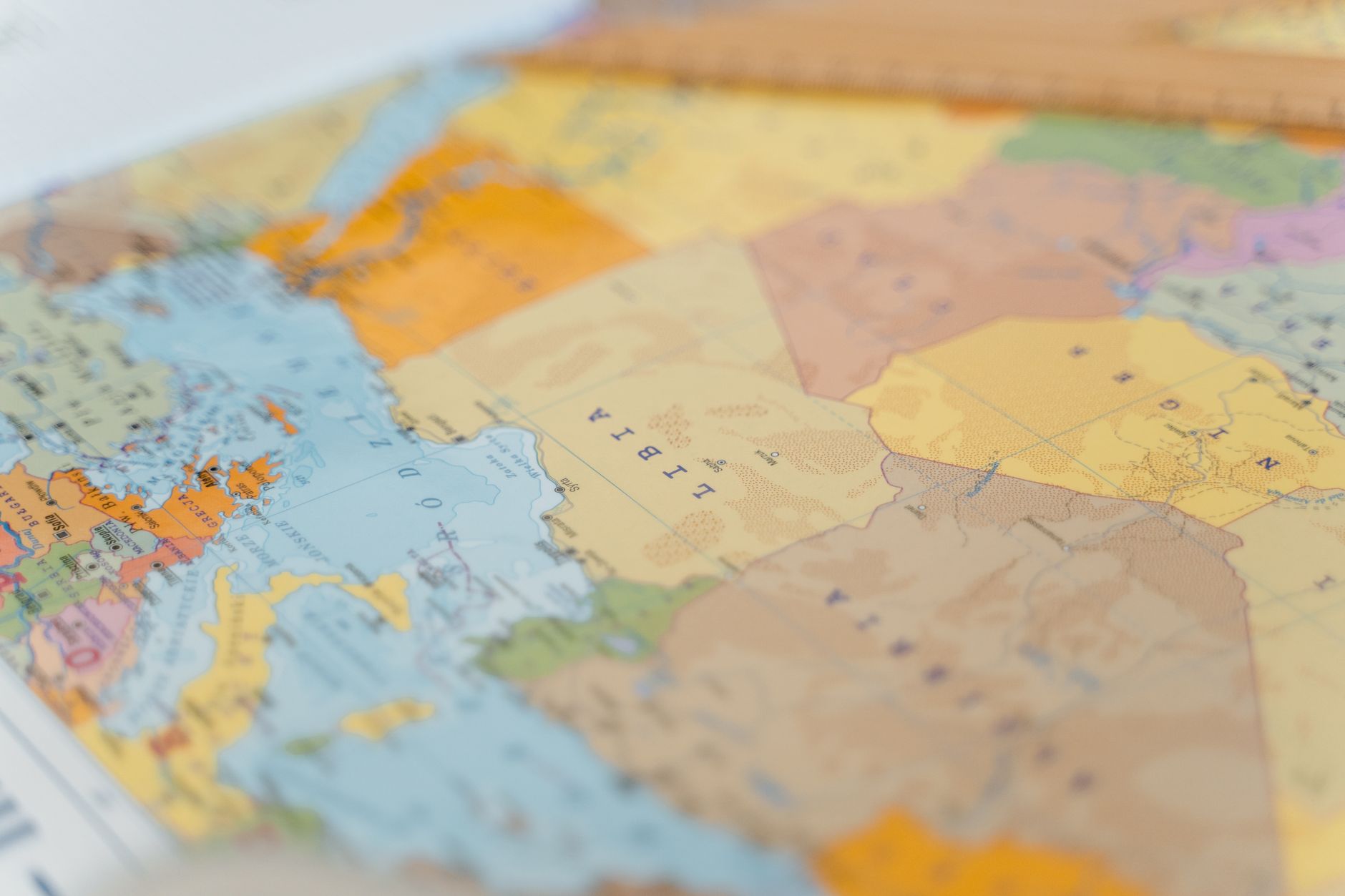
In a move that challenges longstanding perceptions, the United Nations has adopted a new world map that accurately reflects Africa's vast expanse. This decision may seem like a cartographic curiosity to some, but it prompts a deeper examination of how the maps we rely on shape our understanding of the world.
The familiar Mercator projection, widely used for navigation due to its ability to maintain straight lines, is notorious for distorting the size of landmasses. Greenland, for instance, appears comparable to Africa but is, in reality, dwarfed by the continent. The Mercator map's tendency to inflate the importance of northern countries has not gone unnoticed and often attracts criticism for perpetuating Eurocentric views.
Conversely, the Peters projection, named after the German historian Arno Peters, attempts to rectify these distortions. Developed from the work of Scottish cartographer James Gall, it presents landmasses in their true proportion to one another. This adjustment, while beneficial for representing area accurately, can appear unfamiliar and stretches the shape of continents.
The Importance of Perspective
Maps are more than mere tools for direction; they are powerful symbols that influence political and social narratives. The choice of map projection can reflect and reinforce how regions are perceived globally. The adoption of a map that recognises Africa's true size is a step towards addressing historical imbalances in representation.
Online platforms, like Google Maps, have further complicated the picture. While they offer up-to-the-minute data and detailed navigational information, they often default to the Mercator projection, perpetuating familiar distortions.
As we navigate our increasingly interconnected world, understanding the nuances of different map projections becomes ever more important. It allows for a more balanced global perspective and challenges ingrained biases. The UN's decision is not merely a nod to geographic accuracy; it is a call to reassess how we see the world and, by extension, our place within it.