The Enigma of Anaesthesia: Unlocking Mysteries of the Mind
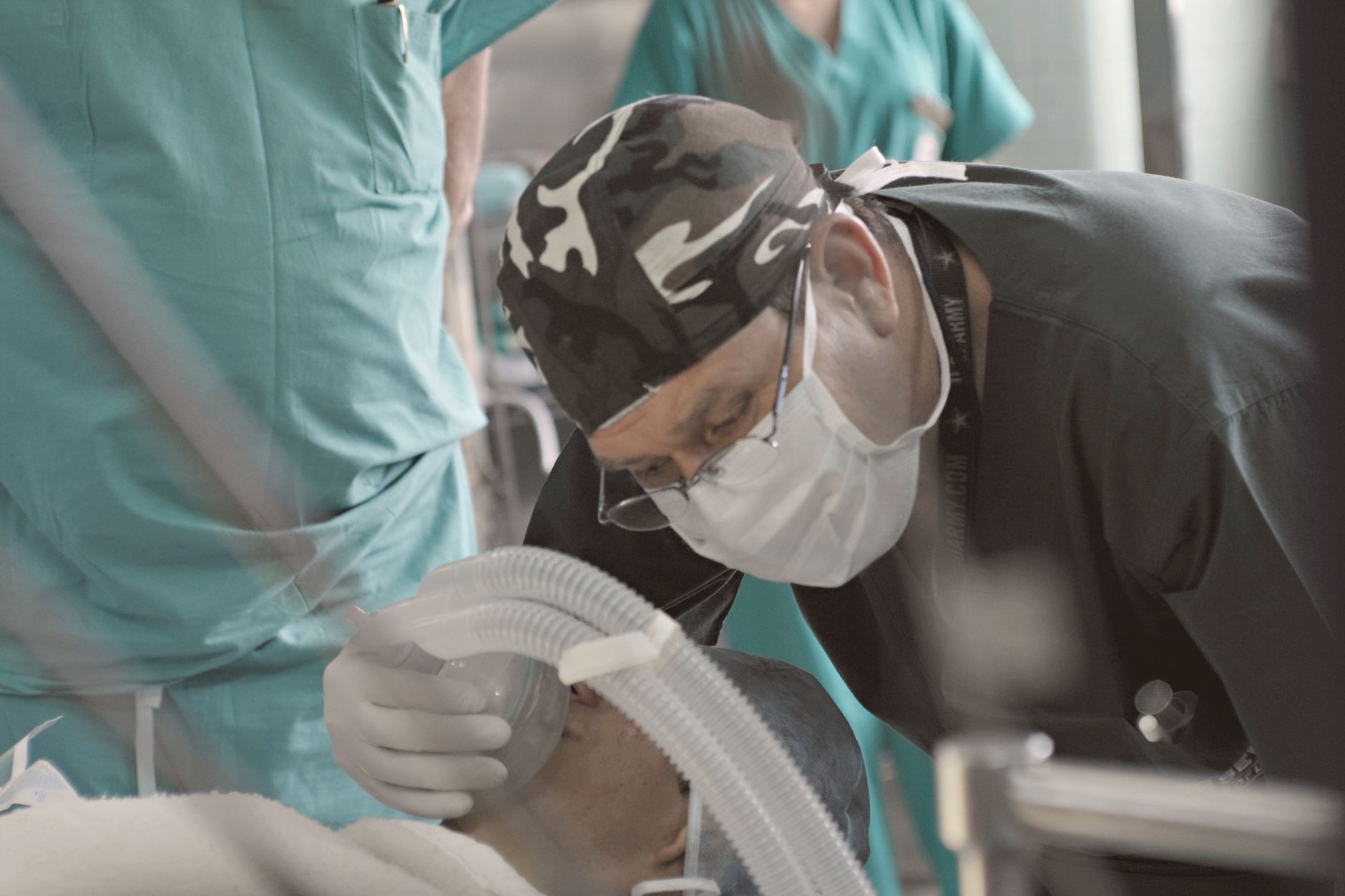
As the anaesthetist places the mask over your face, a peculiar sensation washes over you. In moments, you're oblivious to the world, only to awaken hours later with scant memory of the passage of time. Despite the commonplace nature of this medical marvel, how general anaesthesia functions remains one of the most intriguing puzzles in modern science.
With over 350 million surgeries conducted under general anaesthesia each year, the demand for these mysterious compounds is undeniable. Yet, the precise mechanisms through which they render patients unconscious are far from clear. Recent scientific inquiries, however, are beginning to illuminate this dark corner of medical knowledge.
Unveiling the Brain's Secrets
The quest to understand anaesthesia doesn't merely concern the drugs themselves. It offers a unique window into the intricate workings of the human brain. The transition from consciousness to unconsciousness, akin to flipping a switch, is a process that challenges our understanding of neural function. Scientists are now exploring how these agents interact with brain receptors and alter neural pathways.
Researchers hypothesise that anaesthetics may disrupt the brain's communication networks, essentially 'turning off' the consciousness module. This disruption is not a mere shutting down of signals but rather a sophisticated alteration of the brain's electrical patterns. The implications of these findings extend beyond the operating theatre, potentially offering insights into sleep, consciousness, and even certain psychiatric conditions.
Broader Implications
Understanding anaesthesia's enigma could revolutionise neurological science. By deciphering how these drugs affect brain activity, researchers hope to unlock new treatments for mental health disorders and develop safer, more effective anaesthetic agents. This could lead to breakthroughs in treating conditions like depression, schizophrenia, and chronic pain.
Moreover, this line of inquiry reflects a broader scientific endeavour: to map the vast, enigmatic terrain of human consciousness. Each discovery not only solves a piece of the puzzle but also raises new questions about the nature of our minds.
As scientists continue to probe the depths of anaesthesia's effects, they are reminded of the vast swathes of ignorance that science has yet to illuminate. Yet, it is this very ignorance that spurs innovation, driving forward the relentless pursuit of knowledge. The mystery of anaesthesia, once solved, promises not only to enhance medical practice but to deepen our understanding of what it means to be human.