The Enigma of Anaesthesia: Unlocking the Brain's Secrets
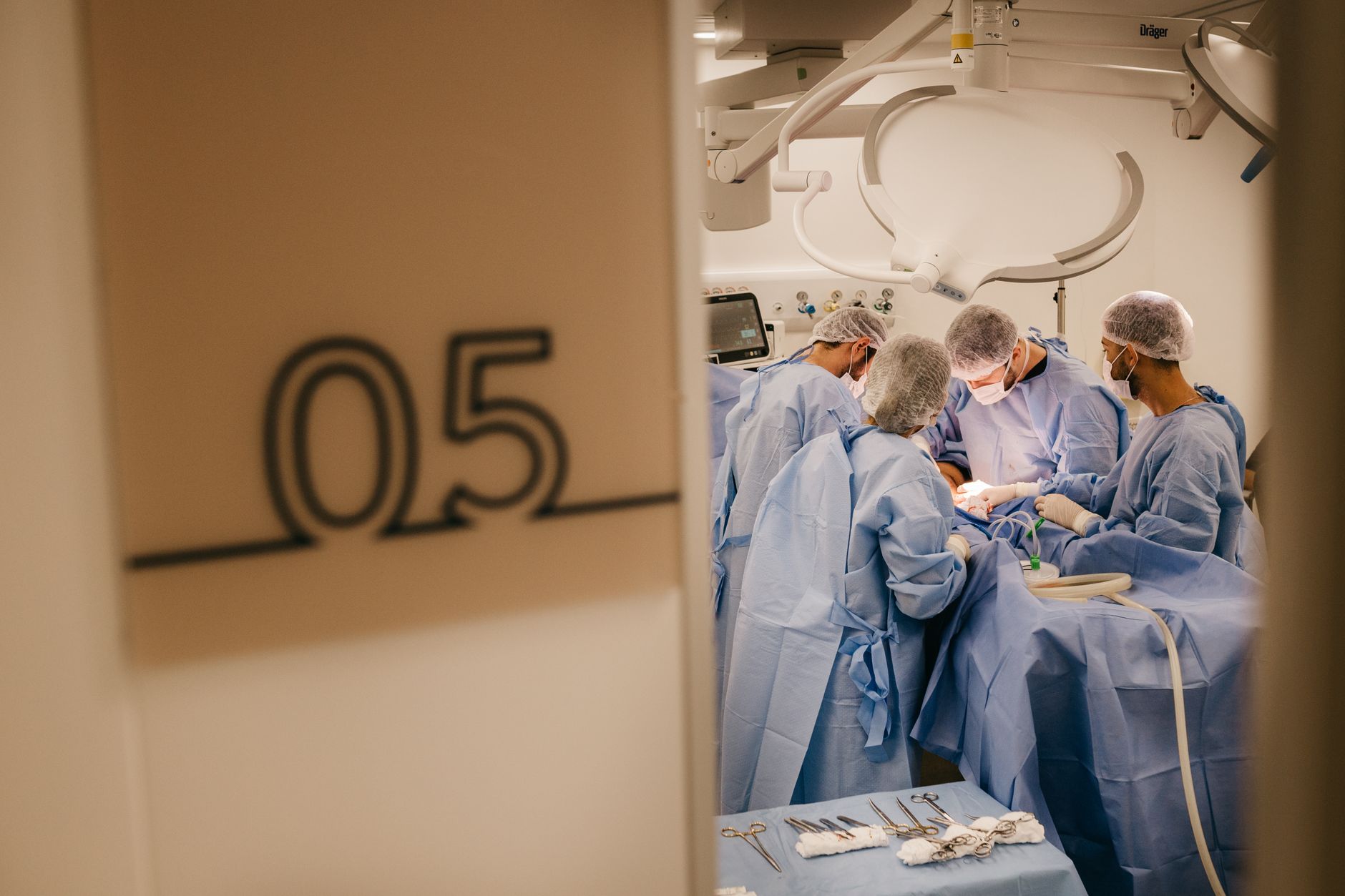
In the sterile, softly lit confines of an operating theatre, a quiet miracle unfolds daily. Patients slip into a profound stillness, their senses dimmed, under the influence of general anaesthesia. Yet, despite its routine application in over 350 million surgeries each year, the precise workings of these potent drugs remain shrouded in mystery.
Scientists have long been intrigued by how anaesthetic agents, with their ability to render a person unconscious, offer a window into the brain's deepest secrets. Recent advances are beginning to peel back the layers of this enigma, suggesting that these drugs may interact with the brain's neural circuits in ways that could reshape our understanding of consciousness itself.
The Science Behind the Silence
At its core, general anaesthesia involves a cocktail of chemicals that interrupt the brain's communication pathways, leading to a temporary loss of sensation and awareness. However, the simplicity of this explanation belies the complexity of the underlying processes. Emerging research hints at a more intricate dance of molecules and neurons, where anaesthetics may alter the electrical activity within the brain's synapses.
Professor John Smith, a leading neuroscientist at the University of Cambridge, remarks, "We are on the cusp of understanding something extraordinary. These findings could help us unlock how consciousness is constructed in the brain." His team's work delves into how certain anaesthetic agents modulate the activity of neurotransmitters, the chemical messengers of the brain, providing a tantalising glimpse into the mechanics of human consciousness.
Implications Beyond the Operating Table
The implications of these discoveries extend far beyond the theatre. By deciphering the mechanisms of anaesthesia, researchers hope to enhance our understanding of various neurological disorders, potentially leading to new treatments for conditions like epilepsy and depression, where consciousness and perception are altered.
As scientists continue to unravel the mysteries of anaesthesia, the hope is that this will not only improve surgical outcomes but also illuminate the complexities of the human mind. In doing so, the study of anaesthesia might just provide the key to one of the last frontiers of human knowledge: the nature of consciousness itself.