The Hidden Role of Sperm in Affecting Miscarriage Risks
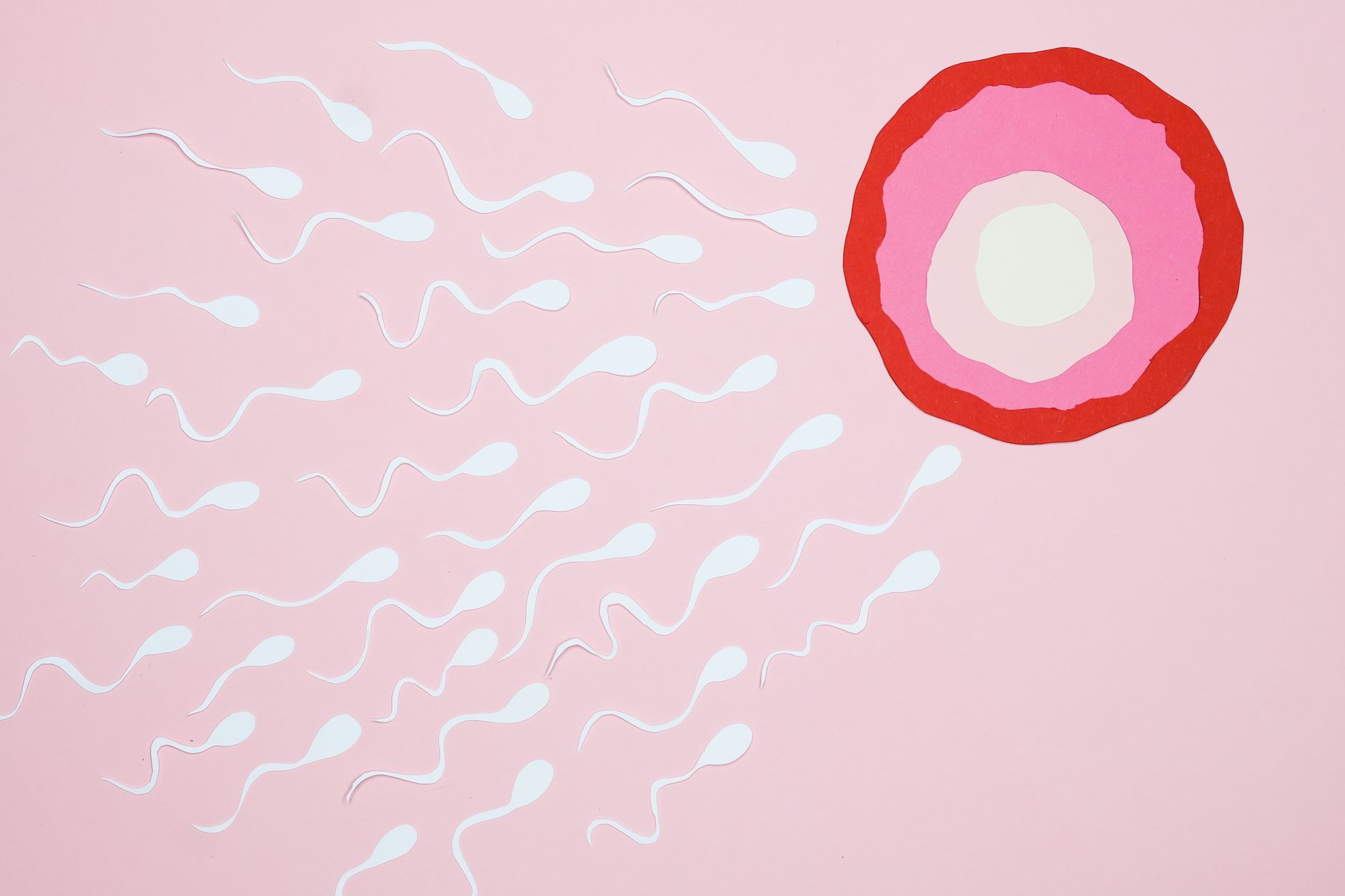
For years, the narrative surrounding miscarriages has predominantly centred around women's health. Yet, recent insights are turning this assumption on its head. Dr. Emily Richards, a leading fertility expert, argues that the male contribution to embryo development has been understated, with sperm quality emerging as a crucial factor in successful pregnancies.
"We often overlook the role of sperm when discussing miscarriages," Dr. Richards notes. "But research now shows that factors like sperm DNA fragmentation can significantly impact the viability of an embryo." This revelation is part of a broader understanding that reproductive health is a two-way street, involving both partners equally.
The Importance of Sperm Quality
Sperm provides half of the genetic material necessary for an embryo. Thus, its quality can directly affect embryo development. Poor sperm quality, characterised by low motility, abnormal morphology, or damaged DNA, can lead to failed pregnancies. Dr. Richards emphasises, "Even if a woman is in perfect health, compromised sperm can still lead to complications."
Addressing the issue of sperm quality involves looking beyond traditional fertility treatments, which have historically focused on women. Lifestyle changes, such as improved diet, reduced alcohol consumption, and managing stress, are recommended for men seeking to boost their reproductive health.
Challenging Traditional Views
This new understanding challenges the traditional approach to fertility, which often places the burden solely on women. "It's crucial to consider both partners in the equation," Dr. Richards insists. "By doing so, we can better address the complexities of miscarriage and improve outcomes for couples trying to conceive."
The implications of this research are profound, suggesting that fertility clinics and treatment programmes should adopt a more holistic approach. Couples may benefit from joint assessments and interventions, which consider both male and female factors equally.
As this field of study progresses, the hope is for a shift in public perception, encouraging a more balanced understanding of reproductive health. While the journey to conception can be fraught with challenges, recognising the dual contributions to embryo development might just be the key to overcoming them.