The Mysterious Millions: Unmasking India's Shadowy Political Parties
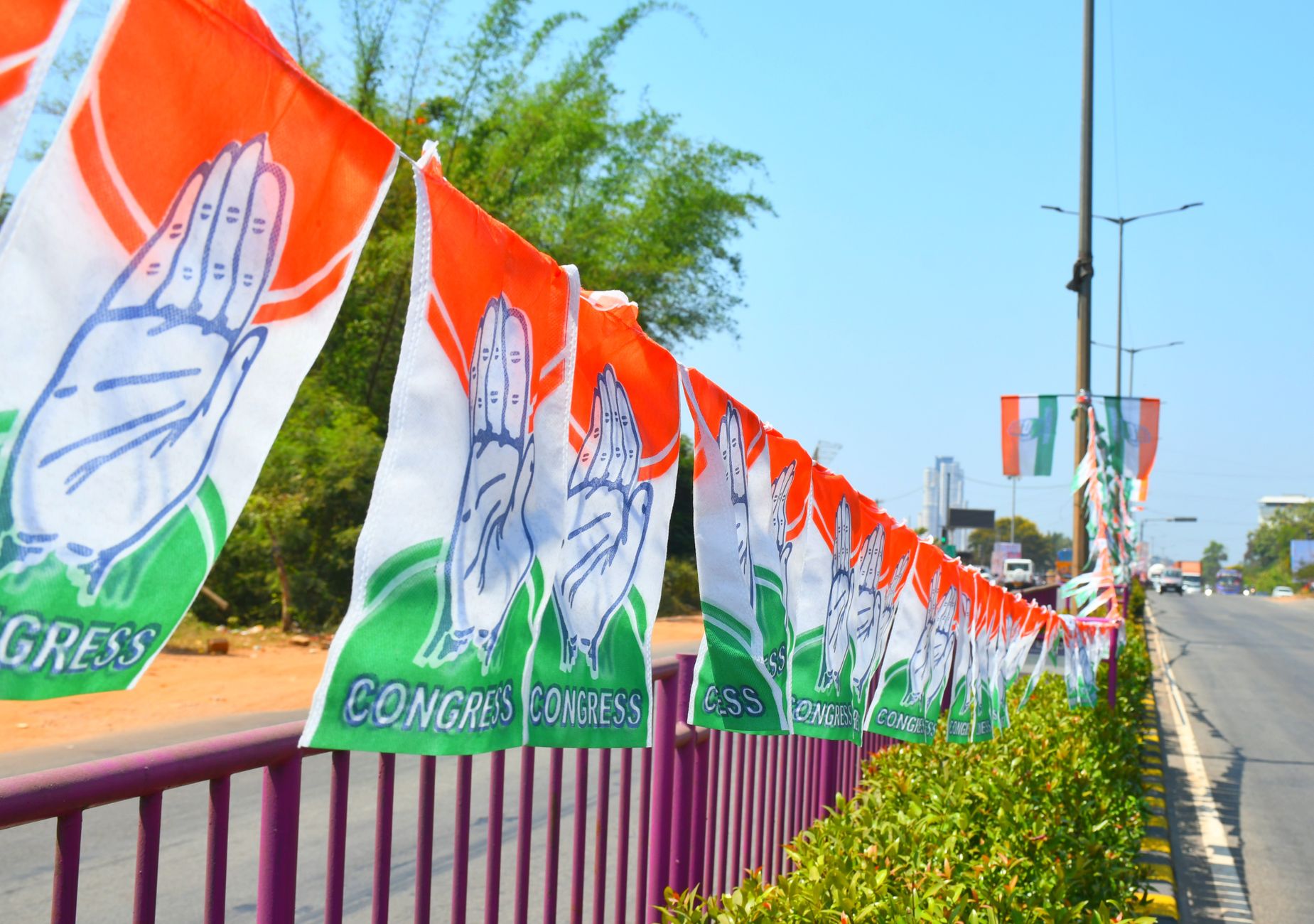
In a country where politics often resembles a high-stakes drama, a curious subplot has emerged. Unrecognised political parties, devoid of electoral symbols and visible campaigns, have astonishingly amassed hundreds of crores in donations. Yet, their public influence remains as elusive as their office addresses.
The Election Commission of India has recently swung into action, delisting 345 such entities. These Registered Unrecognised Political Parties (RUPPs), while officially registered, have failed to contest elections or maintain valid office premises. The Commission's move, aimed at curbing tax misuse and demanding accountability, raises pressing questions about the very fabric of political transparency in India.
Why do these parties, which rarely field candidates and attract negligible voter support, receive such substantial financial backing? The answer, it seems, lies in the shadows. While mainstream parties face rigorous scrutiny, these fringe groups have managed to operate under the radar, exploiting legal loopholes and perhaps serving as convenient vehicles for undisclosed political financing.
An Illusion of Influence?
Despite their seemingly dormant status, these parties are not entirely without purpose. Some political analysts suggest they may function as 'shell' entities, created to funnel funds without attracting attention. The Election Commission's crackdown is a bid to dismantle this facade, ensuring that political financing is subject to the same transparency expected of any legitimate organisation.
Yet, the road to reform is fraught with challenges. For every party delisted, a new one may emerge, adept at navigating the regulatory labyrinth. The Commission's actions, though commendable, are but the first steps towards a more transparent political system.
The Path Forward
As India grapples with the complexities of regulating its political machinery, the need for robust oversight has never been more apparent. The hope is that by holding these entities accountable, a clearer picture of political funding will emerge, strengthening the democratic process.
In the end, the saga of these shadowy parties serves as a reminder of the delicate balance between political freedom and accountability. As the Election Commission continues its efforts, the eyes of the nation remain watchful, eager for a political system that is both transparent and equitable.