
The New Concerns Over Supplements and the Aging Brain
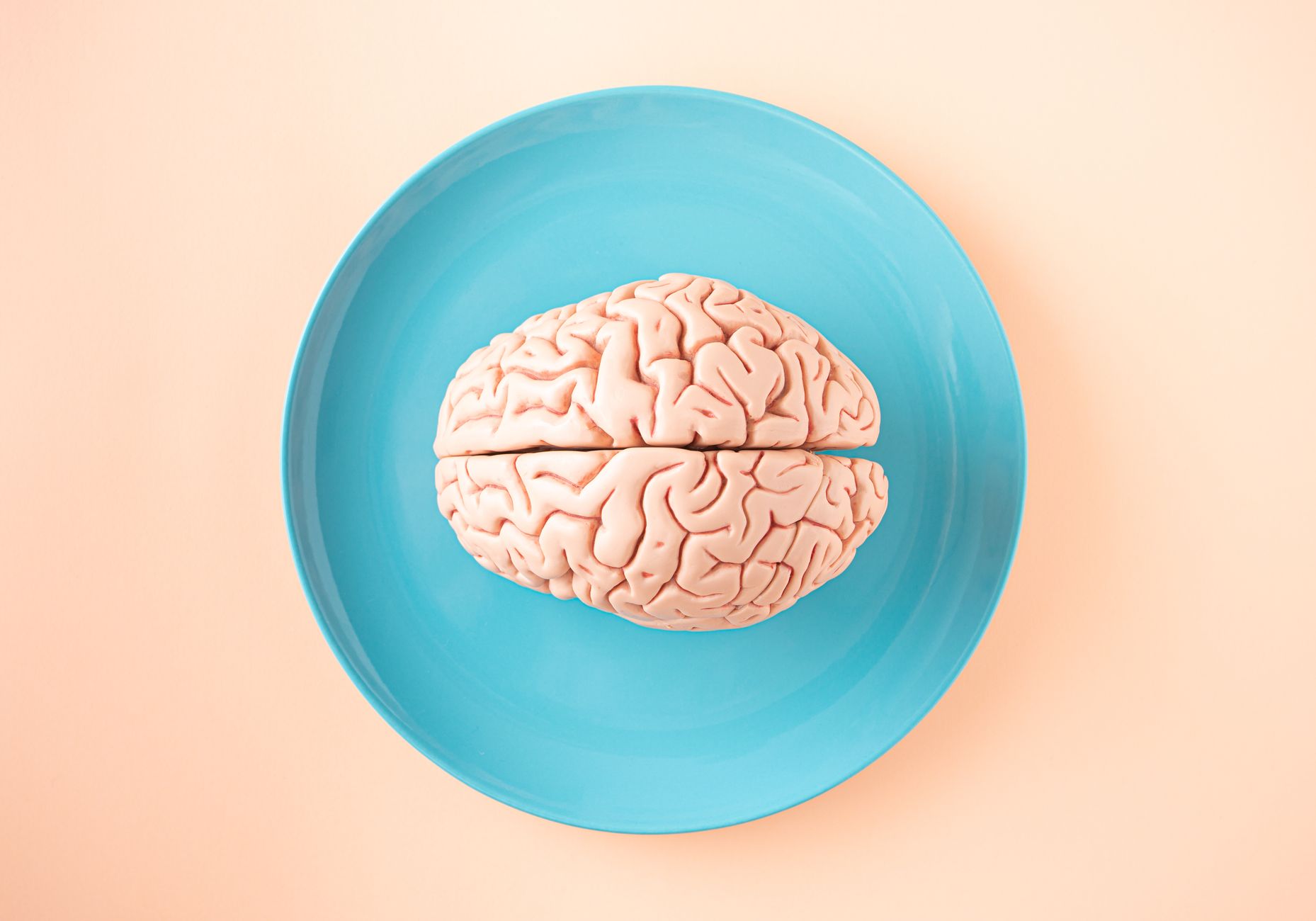
In the world of dietary supplements, what is hailed as a boon for the young might not be the same for the elderly. Recent scientific scrutiny has cast a shadow over some of the most popular supplements, including creatine, questioning their impact on the aging brain.
Creatine, known for its role in enhancing athletic performance and cognitive function, has been a staple for many seeking to improve their physical and mental health. However, researchers are now exploring whether these benefits extend into later life. The crux of the concern lies in how these supplements interact with the brain's grey matter, which is pivotal for memory, decision-making, and emotional regulation.
Changing Perspectives on Supplements
It's a curious paradox: what might fortify a youthful brain could potentially destabilise a mature one. As the brain ages, its chemistry and structural integrity undergo significant changes. This shift could mean that supplements, once neutral or beneficial, may accelerate cognitive decline or introduce new risks.
Recent studies have begun to unravel the complexities of this interaction. Scientists are particularly focused on the possibility that certain supplements might alter the formation of new neurons or interact negatively with existing neural networks. The implications are profound, as these changes could impact not only cognitive abilities but also the overall quality of life in aging populations.
The Role of Grey Matter
At the heart of this investigation is grey matter, the region of the brain where much of the processing occurs. It is crucial for the execution of higher-order functions such as memory and decision-making. Any disruption here could have cascading effects on a person's mental faculties.
While the research is still in its nascent stages, the potential risks have prompted scientists to call for more comprehensive studies. Understanding the nuanced effects of supplements on the aging brain could lead to better guidelines and safer consumption practices.
As the debate unfolds, it becomes clear that more personalised approaches to supplement consumption, based on age and individual health profiles, may be necessary. After all, in the quest for longevity and vitality, one must tread carefully, especially when the mind is at stake.


