The Northern Spotted Owl: A Symbol of America's Timber Wars
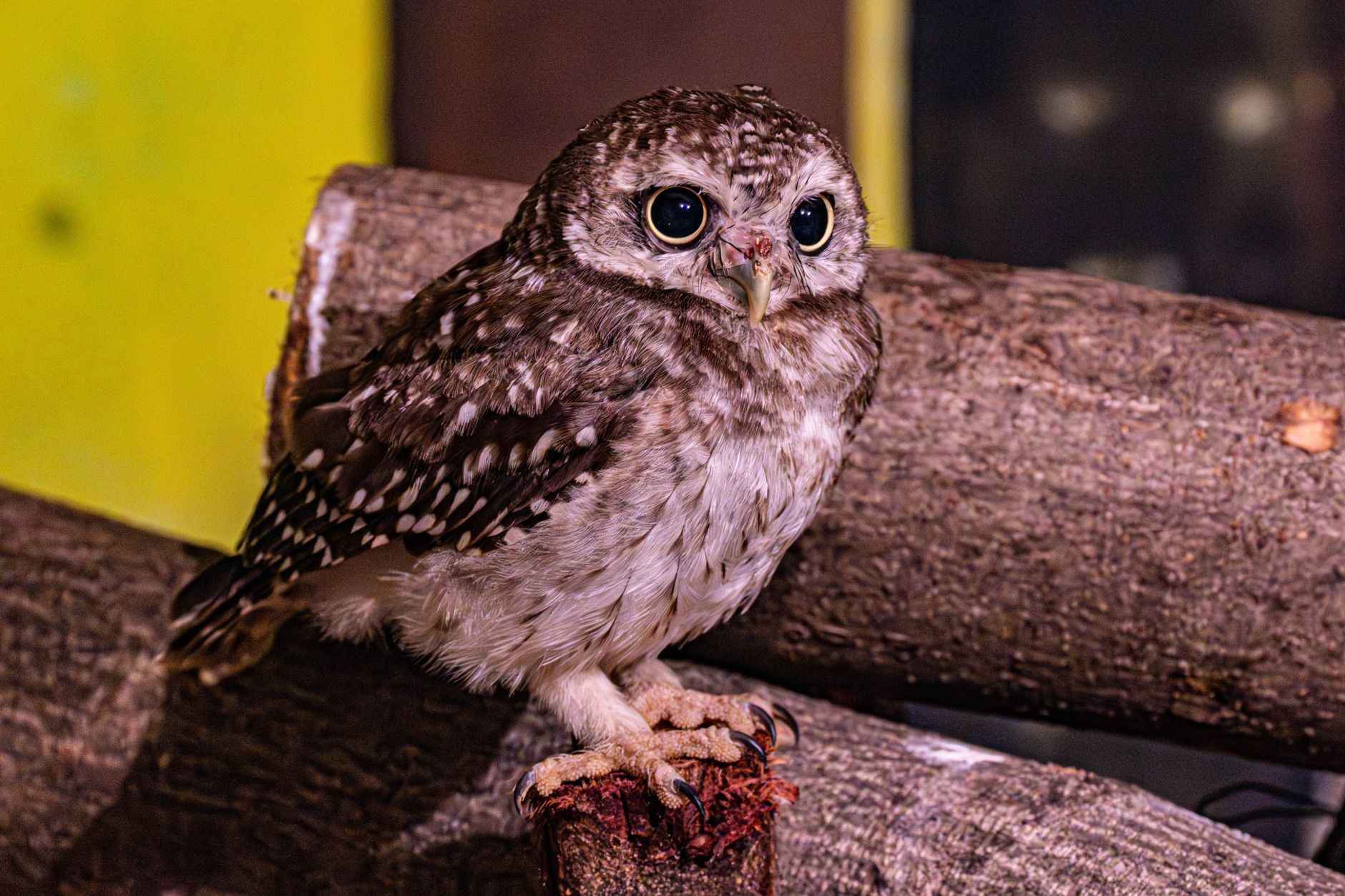
In the dense, ancient forests of the Pacific Northwest, a small bird unwittingly became the linchpin of a dramatic environmental conflict that gripped America in the early 1990s. The northern spotted owl, with its distinctive mottled plumage and haunting calls, was thrust into the limelight as a symbol of the 'Timber Wars'. This battle pitted loggers against conservationists, each side fervently defending their vision for the land.
Designated as a threatened species in 1990 under the Endangered Species Act, the northern spotted owl's plight highlighted the devastating impact of decades of logging. Over vast areas of Washington, Oregon, and California, clear-cutting had decimated the old-growth forests that the owls called home. As federal protections were enacted, millions of acres were set aside, sparking outrage and protests across logging communities.
Protesters, dressed in owl costumes, rallied with cries of 'no more clear-cuts!', while the loggers countered with their own slogans: 'Save a logger, eat an owl'. The clash underscored a broader debate over economic survival versus ecological preservation. For many in mill towns, the owl became a scapegoat for job losses and economic downturns.
The Continuing Struggle
Three decades on, the northern spotted owl remains in peril. Despite the protection of its habitat, the owl's numbers have not rebounded significantly. They now face a new threat from the invasive barred owl, which competes for the same ecological niche. Scientists and policymakers continue to grapple with these challenges, seeking a balance that can sustain both the region's biodiversity and its economic needs.
The story of the northern spotted owl is more than a tale of a single species. It is a reflection of the complex interplay between human industry and environmental stewardship. As the world confronts new ecological challenges, the lessons of the Timber Wars remain as relevant as ever, urging us to consider the long-term consequences of our actions.