The Pioneers of Facial Recognition: A 1990s Defence Initiative
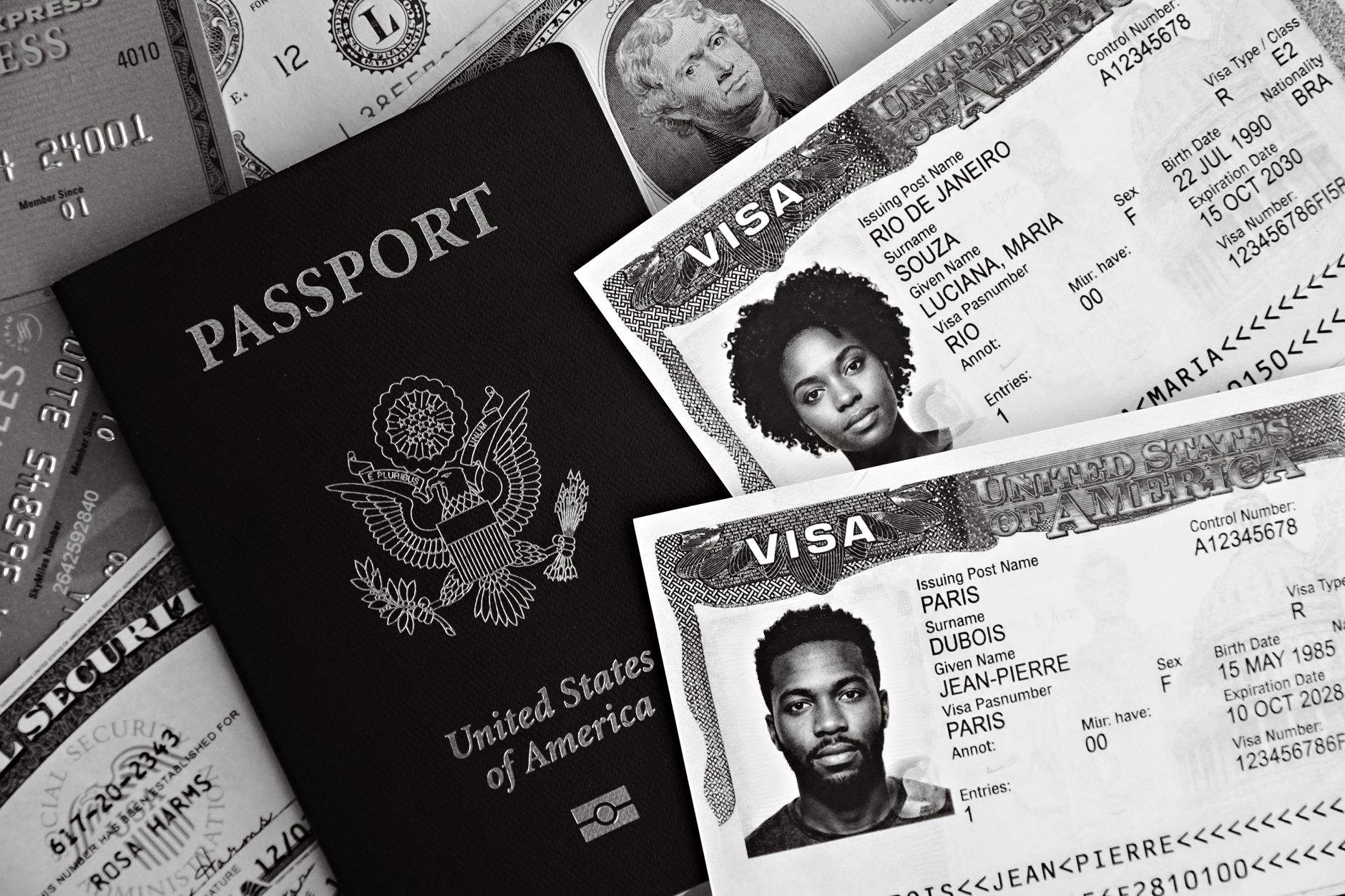
In a nondescript office in the 1990s, a group of individuals unknowingly became the 'Adams and Eves' of a technological revolution. Their faces, captured in a series of photographs, were used by the US Department of Defense in a project that would set the stage for the development of facial recognition technology. This initiative, known as the Facial Recognition Technology (FERET) programme, aimed to teach computers to identify and differentiate human faces.
The FERET programme was a groundbreaking effort, particularly in its ambition to create a database that could train algorithms to recognise faces in various lighting conditions, angles, and expressions. The database consisted of thousands of images, meticulously compiled to cover a wide range of facial features. It was, in essence, a digital Garden of Eden from which modern facial recognition systems would evolve.
From Defence to Daily Life
Initially, the technology was intended for use in defence and security sectors. However, as the algorithms improved, so did their application across various industries. Today, facial recognition is ubiquitous — from unlocking smartphones to tagging friends on social media.
But with great power comes great responsibility. The proliferation of facial recognition technology has sparked significant debate over privacy concerns. Critics argue that while the technology promises increased security, it also poses risks of surveillance and data misuse. Alexandria Ocasio-Cortez, among others, has publicly questioned the ethics of deploying such technology without stringent regulations.
Ethical Concerns and Future Implications
The 'Adams and Eves' of facial recognition could scarcely have imagined the extent to which their likenesses would contribute to a conversation about privacy and ethics in the digital age. As the technology continues to advance, it prompts crucial discussions about the balance between innovation and individual rights.
As we stand on the brink of further integrating AI into our daily lives, the lessons from the FERET programme remind us of the importance of ethical considerations. It's essential that as we embrace these technological advancements, we also safeguard the freedoms and privacy of individuals in our increasingly connected world.