The Puzzle of Persistent Dental Implant Infections: A New Clue Unveiled
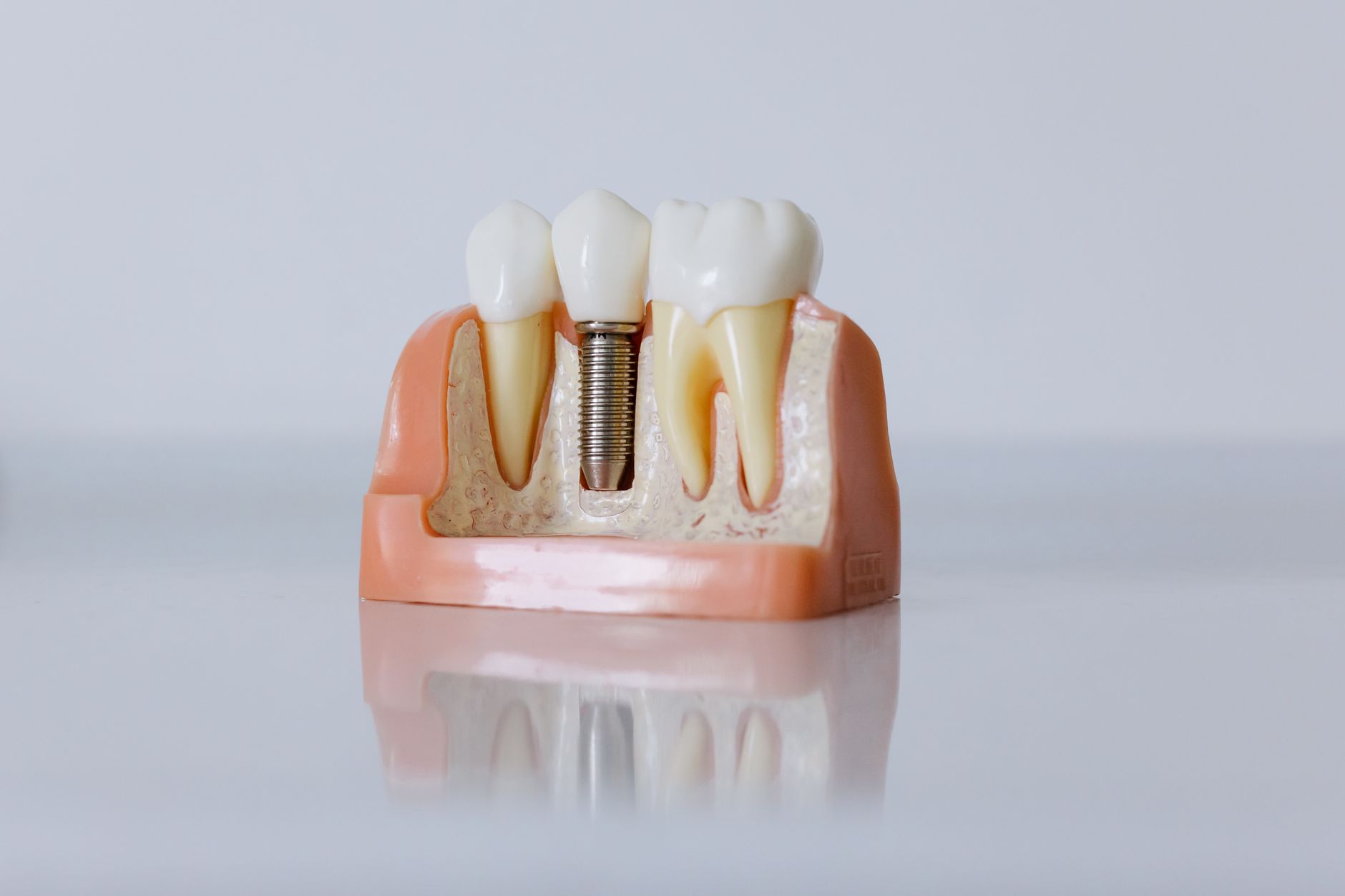
In the intricate world of dental implants, a new discovery may help unravel the mystery behind infections that refuse to heal. Recent research suggests that titanium particles, shed from the implants themselves, could be impeding the body's immune response, thus allowing infections to persist.
For years, titanium has been the material of choice for dental implants, prized for its strength, lightweight nature, and supposed biocompatibility. Dentists and patients alike have relied on its stability once affixed in the jawbone. However, the latest findings challenge these long-held beliefs.
When Stability Becomes a Question
Scientists have observed that in some cases, titanium particles are released into the surrounding tissue. This phenomenon appears to compromise local immune defences, making it difficult for antibiotics to perform their job. This discovery could explain why some patients experience chronic infections despite rigorous treatment regimes.
The implications of this are significant. Not only does it call into question the universal suitability of titanium for all patients, but it also suggests that alternative materials or coatings might need to be considered to prevent such occurrences.
A New Direction for Treatment
Currently, the standard response to an infected dental implant involves antibiotics and, in some cases, surgical intervention. However, if the root of the problem lies in the material itself, a shift in approach could be necessary. Researchers are now exploring ways to modify the surface of implants to reduce the release of particles or enhance the body's immune response to them.
Understanding the role of titanium particles in these persistent infections not only advances our knowledge of implant technology but also offers hope for more effective treatments. As research progresses, the dental community may soon have new tools to combat these stubborn infections, improving outcomes for countless patients.