
The Quest for Alien Life: A Scientific Reality Check
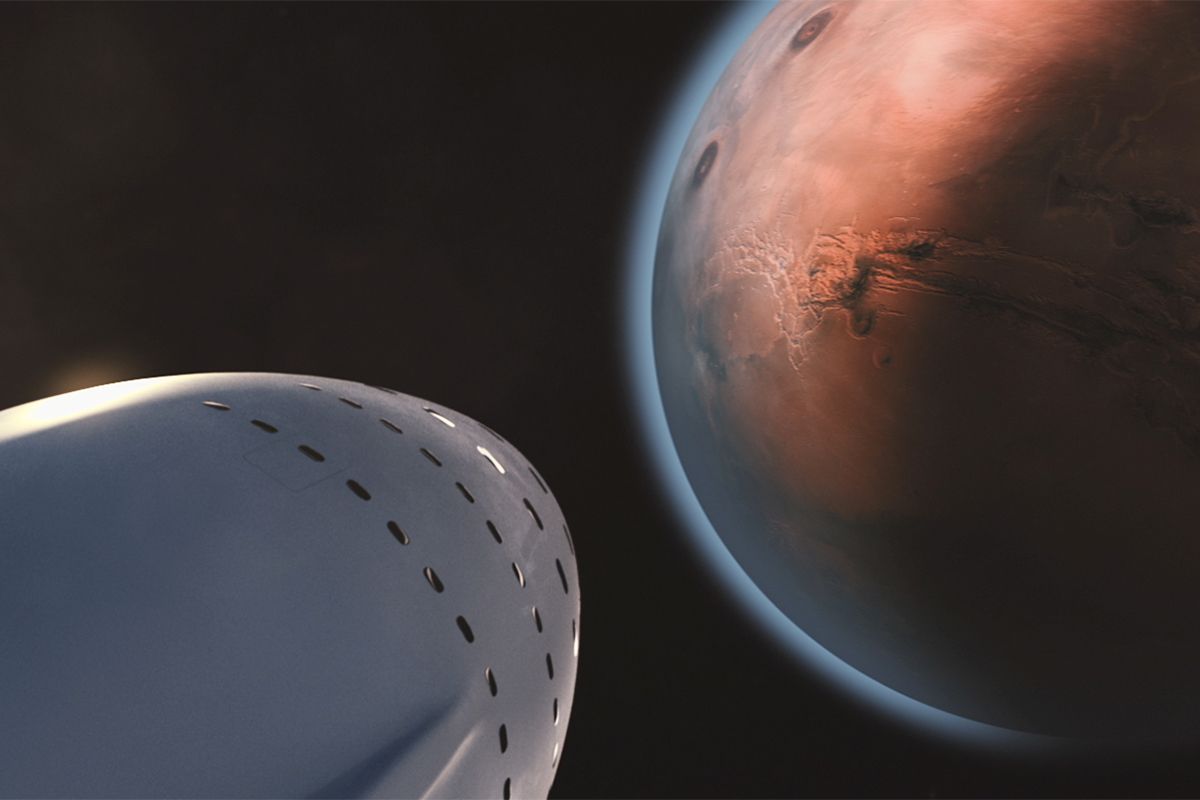
In a world perpetually fascinated by the possibilities of life beyond Earth, the latest claims of potential alien life have once again stirred public imagination. The excitement, however, is tempered by scientific scepticism. Recent announcements regarding the detection of possible biological molecules on the exoplanet K2-18b have led to feverish speculation. Yet, a survey conducted by Durham University's C-Scope reveals that only 6.6% of scientists believe these findings likely represent extraterrestrial life.
Astrobiologists remain divided on the issue. While some hail the discovery as the strongest sign yet of life beyond our planet, the majority urge caution. Mars, long a subject of intrigue for potential life, sees slightly higher confidence levels, with 15.1% of experts considering the findings potentially indicative of life.
The scientific community's cautious stance is not without reason. The search for alien life is fraught with challenges, from distinguishing biosignatures from abiotic processes to deciphering ambiguous data. The task is further complicated by the vast distances involved, making direct observation and verification a herculean endeavour.
Hope and Skepticism
The excitement surrounding these discoveries underscores humanity's enduring curiosity about the cosmos. Yet, as Dr. Eliza Grant, an astrobiologist at Oxford University, notes, "Our quest for alien life requires a balance between enthusiasm and scientific rigour." Scientists must approach each potential discovery with a critical eye, ensuring that wishful thinking does not cloud objective analysis.
Moreover, the search for technosignatures, signs of alien technology, continues in parallel. Despite decades of effort by organisations like SETI, definitive proof remains elusive. This dual approach—seeking both biological and technological evidence—reflects the complexity and breadth of the search for extraterrestrial life.
The Future of the Search
As technology advances, so too do our methods of exploring the universe. Future missions, equipped with more sophisticated instruments, may yet provide the answers we seek. Until then, the scientific community remains vigilant, ever hopeful yet grounded in the principles of evidence-based inquiry.
In the end, the quest for alien life is as much about understanding ourselves as it is about discovering others. It challenges us to look beyond our world, to ponder the nature of life and our place in the universe. Whether we are alone or one among many, the journey itself is a testament to human curiosity and resilience.


