The Quiet Exodus: Why India's Government Schools Are Closing
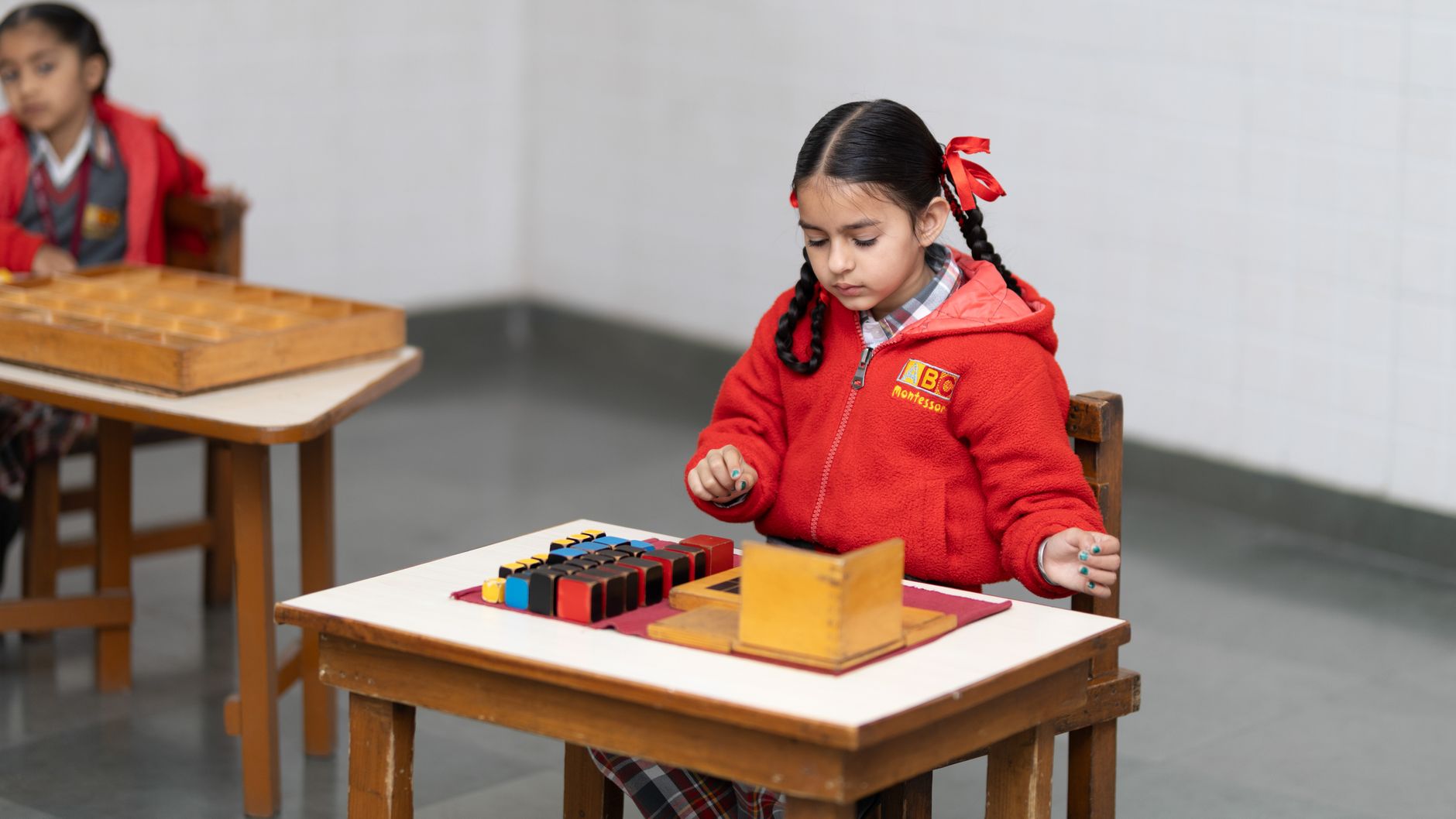
The sight of a dilapidated school building, once bustling with the chatter of children, now eerily silent, is becoming all too common in India. Over the past decade, an astonishing 94,000 government schools have shuttered their doors, according to a recent NITI Aayog report. This stark number signifies more than just empty classrooms; it points to a profound shift in the country's educational dynamics.
The decline in government schools from 11.07 lakh in 2014–15 to 10.13 lakh in 2024–25 coincides with a sharp drop in student enrolment. The total number of students has decreased by 2.26 crore, reflecting not just demographic changes but also a growing disenchantment with public education.
The Rise of Private Institutions
While government schools face closure, private institutions have witnessed a boom. The number of private schools has surged from 2.88 lakh to 3.39 lakh in the same period. Parents, increasingly concerned about the quality of education, are opting for private schools, which are perceived to offer better facilities and teaching standards.
This shift, however, is not without its consequences. For many economically disadvantaged families, private education remains financially out of reach, leading to concerns about widening educational inequalities.
Challenges of Access and Equity
The closure of neighbourhood schools disproportionately affects rural areas and disadvantaged communities. It increases travel distances for young children, affecting school attendance, particularly for girls, who face additional societal barriers. Moreover, the loss of local schools reduces community involvement in education, further alienating these areas from mainstream educational progress.
Education activists argue that the government must address these disparities by investing in public schooling infrastructure and teacher training. Without such interventions, the gap between the educational haves and have-nots is likely to widen.
The Road Ahead
The closure of government schools is a symptom of broader systemic issues within India's education sector. While private schools flourish, the challenge remains to ensure that quality education is accessible to all, not just to those who can afford it. The government faces the formidable task of revitalising public education and restoring confidence in its ability to deliver quality learning experiences.
As India marches towards becoming a global economic powerhouse, the importance of an inclusive and robust education system cannot be overstated. The future of millions of children hangs in the balance, dependent on the choices made today.