The Quiet Exodus: Why India's Government Schools Are Closing
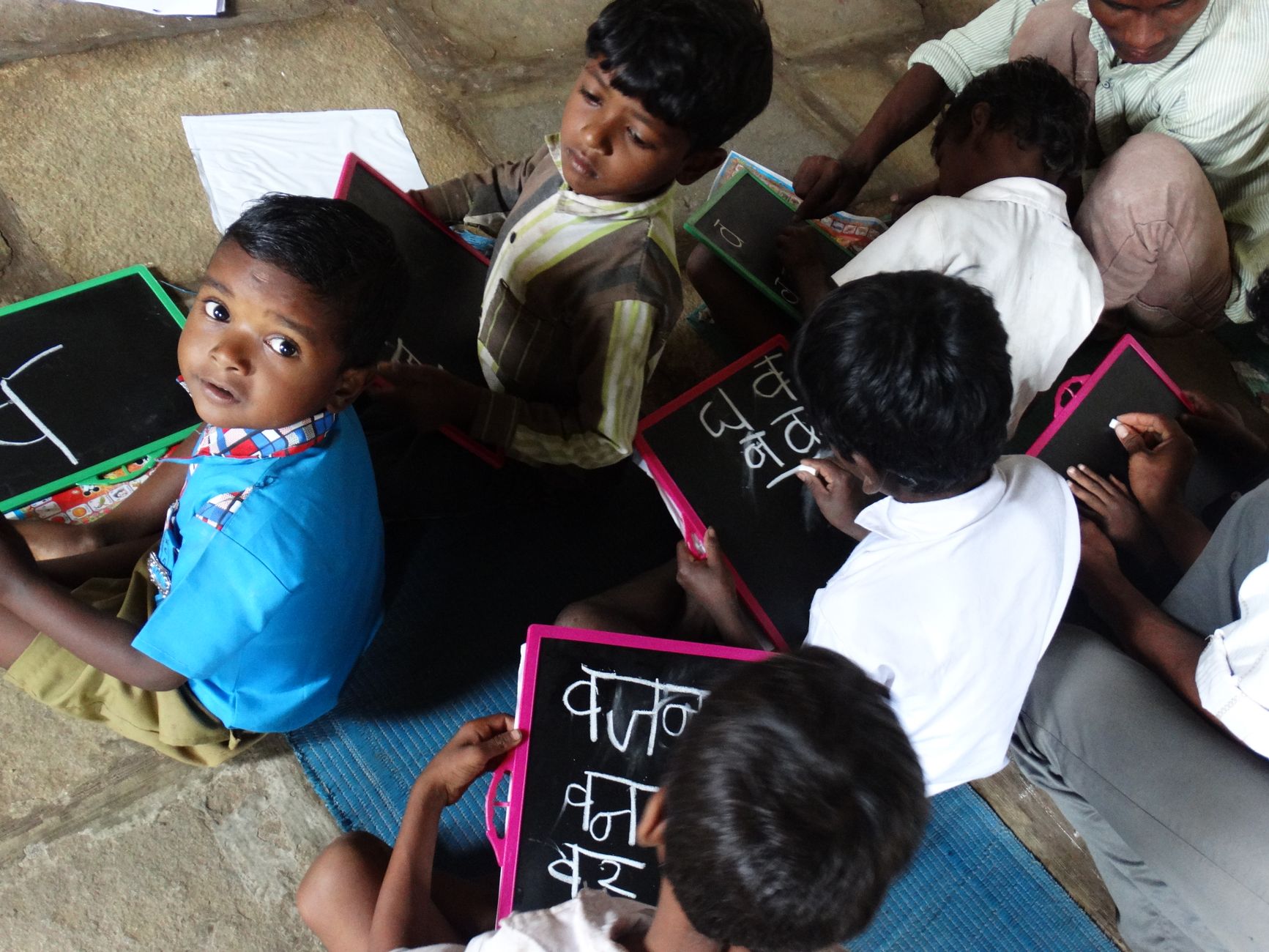
On a quiet morning in a small village in Uttar Pradesh, a government school stands deserted. Its once vibrant playground now echoes with silence, a stark symbol of a nationwide trend: the closure of government schools across India.
Once the backbone of the country's educational framework, government schools have seen a dramatic decline in their share of total enrolment—from 71% in 2005 to a mere 49.24% in the 2024-25 academic year. This shift isn't merely a statistic; it's a reflection of deeper socio-economic transformations.
The Shift Towards Private Education
Parents increasingly prefer private institutions, lured by promises of better facilities and more personalised attention. The perception that private schooling offers a superior education has driven many to make significant financial sacrifices. This burgeoning demand for private education has left government schools struggling to maintain their relevance.
Moreover, as private schools proliferate, they often attract the more qualified teachers, leaving government schools with a shortage of skilled educators. The result is a vicious cycle where dwindling resources lead to declining quality, further pushing parents towards private options.
Economic and Policy Challenges
Economic factors also play a critical role. States facing budgetary constraints have opted to consolidate educational resources, merging schools with lower enrolment. While this might seem efficient on paper, it leaves many rural areas without accessible education facilities, forcing students to travel unreasonable distances or drop out altogether.
Government policy has also inadvertently contributed to this trend. Initiatives intended to improve educational standards, while well-meaning, have often resulted in increased administrative burdens on teachers, detracting from their primary role as educators.
The Implications for India's Future
The closure of government schools raises serious concerns for the future of India's public education system. As these schools shut their doors, the gap between privileged and underprivileged learners widens. Without intervention, the very fabric of equitable education could unravel, leaving millions without the foundational learning they deserve.
It is imperative for policymakers to address these issues, fostering an environment where government schools can thrive alongside their private counterparts. This might involve reimagining the role of public education, investing in infrastructure, and ensuring that quality teaching is available to all students, regardless of their socio-economic background.
As the nation grapples with these challenges, the fate of its government schools could very well shape the future of its citizens. A robust and inclusive education system is not just a policy goal; it is a necessity for a nation aspiring to be a global leader.