The Science Behind Surviving Underneath Rubble
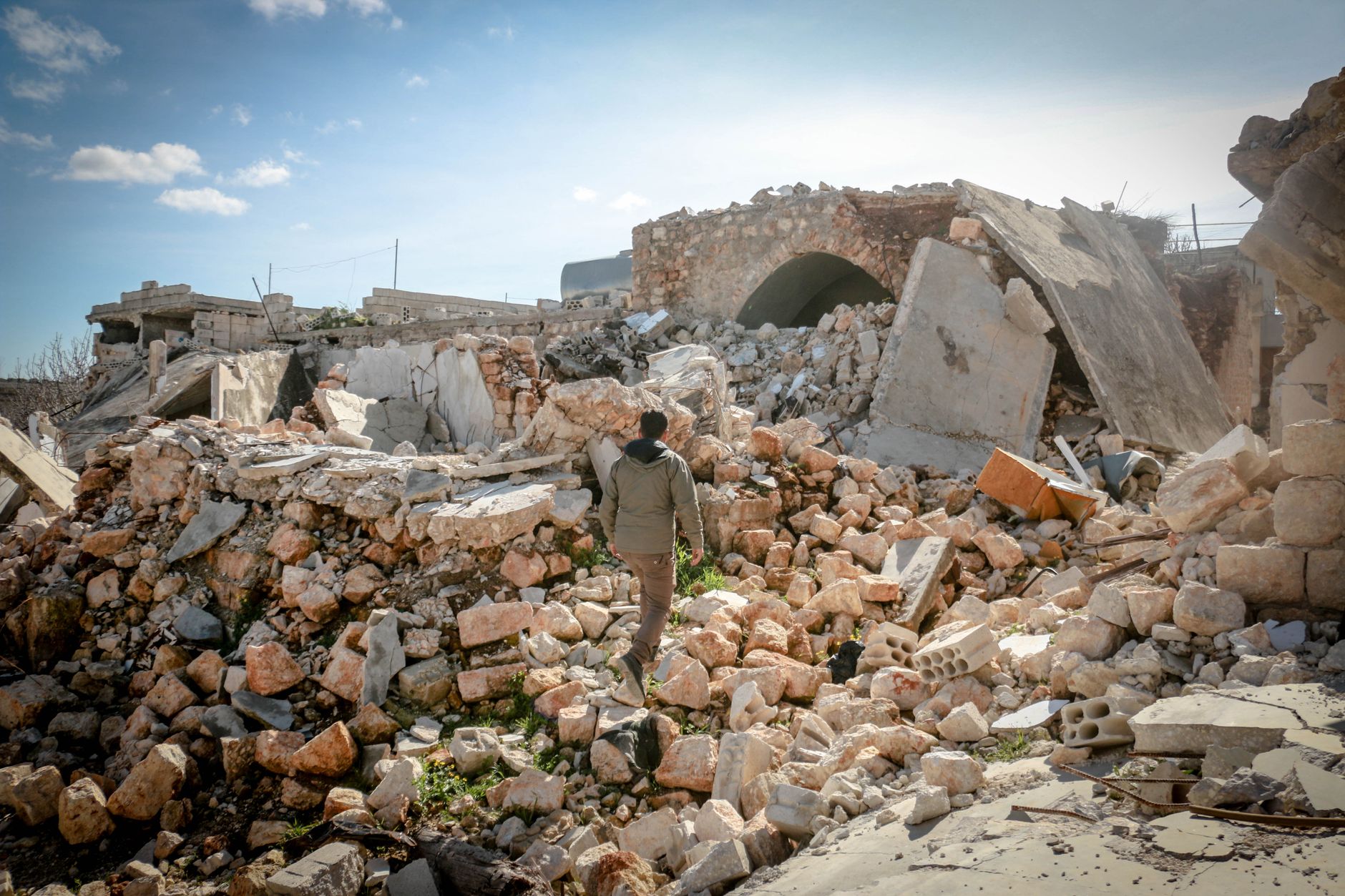
In the aftermath of an earthquake, as buildings collapse and chaos ensues, the human spirit is put to the ultimate test. Survival beneath the rubble is not merely a matter of physical endurance but a complex interplay of biology and psychology. Understanding these factors is essential, not only for those trapped but also for rescuers working against the clock.
Physiologically, the human body is remarkably resilient, yet it has its limits. Dehydration becomes a critical threat within 72 hours, as the body loses water rapidly. Without external water sources, individuals have been known to resort to drinking their own urine — a grim but sometimes life-saving measure.
Yet beyond the physical, the psychology of survival plays an equally significant role. The mind's ability to maintain hope can often mean the difference between life and death. Hope fuels the will to survive, maintaining the body's fight-or-flight response even in the direst of circumstances.
The Science of Staying Alive
Experts suggest that the average person can survive for up to a week without water, provided injuries are not severe. However, survival is also contingent on environmental factors such as temperature and access to air pockets. These variables can dramatically alter the survival window.
In a remarkable case, a woman survived 17 days trapped under debris, her mental fortitude as crucial as her physical condition. Such stories underscore the importance of psychological resilience, where the human brain, despite its vulnerability, becomes an ally in the struggle for survival.
Rescue and Hope
Rescue operations, therefore, must consider the psychological state of those trapped. While physical rescue is the ultimate goal, sustaining hope through communication and psychological support can be just as crucial. This dual approach not only aids survival but also alleviates the trauma associated with such harrowing experiences.
Ultimately, when disaster strikes, the science of survival is as much about understanding the limits of the human body as it is about nurturing the indomitable spirit. As rescuers dig through the rubble, they are not just unearthing bodies but stories of hope and resilience that define the human condition.