The Silent Crisis: Student Suicides in Higher Education
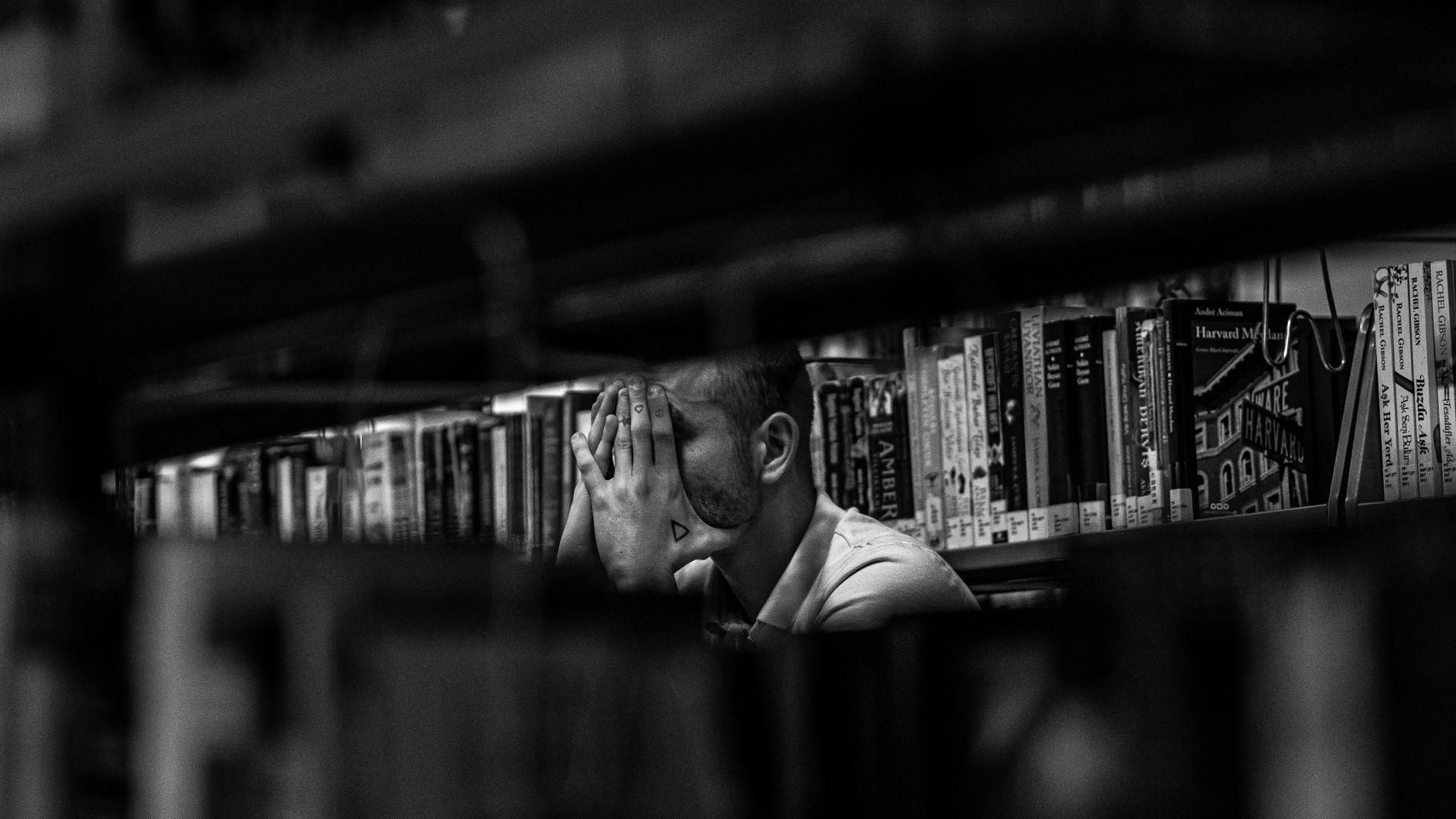
In the hallowed halls of higher education, where the future is meant to be shaped, a silent crisis is unfolding. Recent reports indicate a troubling increase in student suicides, shining a harsh light on the pressures faced by young adults today. The Department for Education's national review has revealed unsettling statistics, prompting urgent calls for action.
It is not a new revelation that university life can be overwhelming. The transition from school to higher education demands a significant adjustment, and many students find themselves grappling with newfound independence, academic pressures, and financial burdens. The expectation to excel in every aspect of life can be daunting, leading some to a breaking point.
Underlying these tragedies are often issues of stress, depression, and a sense of isolation. Universities, often seen as bastions of knowledge and enlightenment, are struggling to provide adequate mental health support. A lack of resources, coupled with the stigma surrounding mental health, exacerbates the problem. Students from diverse backgrounds face unique challenges, further complicating the landscape.
Financial Strain and Institutional Disconnect
Financial strain looms large as a contributing factor. With tuition fees and living costs soaring, many students find themselves in precarious financial situations. The pressure to manage finances while maintaining academic performance adds an additional layer of stress.
Moreover, a disconnect between students and their institutions can intensify feelings of alienation. Universities, in their bid to accommodate growing student populations, sometimes fall short in fostering a sense of community. This lack of connection can leave students feeling unsupported and invisible.
The Path Forward
Addressing this crisis requires a multi-faceted approach. Universities must enhance their mental health services, ensuring that support is accessible and destigmatised. Creating an environment where students feel valued and connected is equally crucial. Peer support programmes and mental health workshops could serve as lifelines.
Ultimately, the responsibility does not lie solely with educational institutions. Society must also reflect on its expectations of young people. The pressure to succeed must be balanced with compassion and understanding. As we navigate this crisis, the hope is to create a system where no student feels that their only option is to end their life.