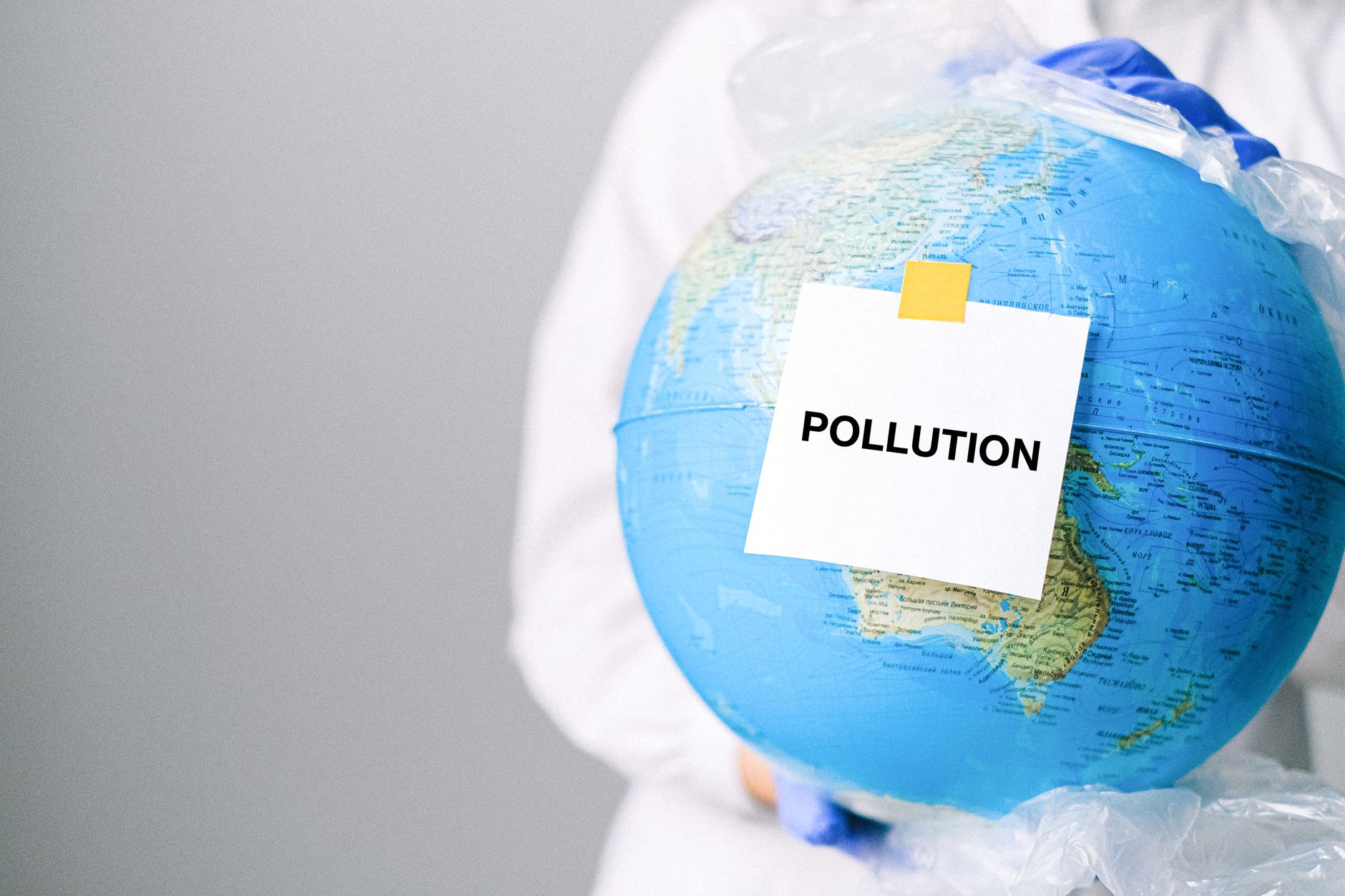
The Silent Spread: Environmental Impact of Antimicrobial Resistance

Antimicrobial resistance (AMR) is not only a looming public health crisis but also poses a significant threat to our environment, a fact often overshadowed by its impact on medicine. The environments we rely on, including our water bodies and soil, have become unwitting reservoirs for resistant bacteria, primarily due to human activities.
Environmental Reservoirs
Water bodies, especially those near agricultural lands, are particularly vulnerable. Antibiotics used in farming seep into the soil and waterways, creating breeding grounds for resistant bacteria. These bacteria thrive, facilitated by conditions perfect for horizontal gene transfer, amplifying their resistance.
Surveillance and Mitigation
Addressing AMR requires a comprehensive approach. Surveillance is crucial; understanding where and how resistance spreads informs mitigation strategies. Advanced wastewater treatment technologies are pivotal. These systems target not just the removal of antibiotic compounds but also the eradication of resistance genes.
Furthermore, sustainable agricultural practices are paramount. Reducing antibiotic usage in livestock and employing natural alternatives can mitigate the leaching of antibiotics into the environment. In urban settings, effective regulation of pharmaceutical waste is equally essential.
While AMR poses a formidable challenge, it is not insurmountable. By integrating environmental considerations into public health strategies, we stand a better chance of curbing this silent, yet pervasive threat.