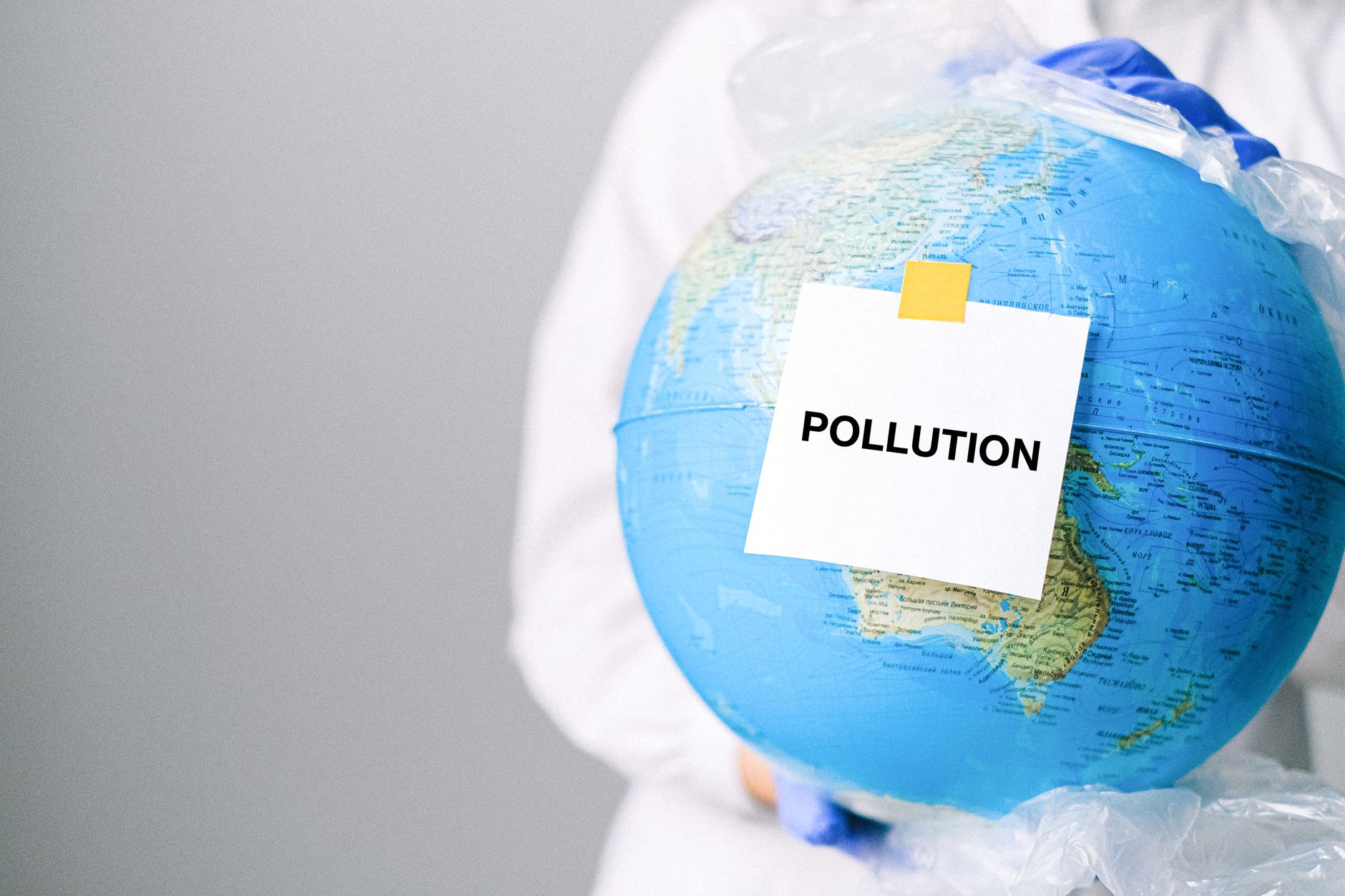
The Silent Spread: Environmental Impact on Antimicrobial Resistance
In the quiet corners of our planet, far from bustling urban centres, an invisible threat is gaining momentum. Antimicrobial resistance (AMR), once considered a problem confined to hospitals and clinics, is now being driven by environmental factors that facilitate its spread across the globe.
Antimicrobial resistance emerges when bacteria, viruses, fungi, and parasites evolve to resist the drugs designed to kill them. The environment plays a pivotal role in this process. Rivers, soil, and air become reservoirs and conduits for resistant genes, passed between species with alarming ease.
The misuse and overuse of antibiotics in agriculture and healthcare exacerbate this issue, as these substances seep into natural ecosystems. Here, they encounter bacteria that adapt and evolve, creating new resistant strains that eventually find their way back to humans and animals.
The Role of Surveillance
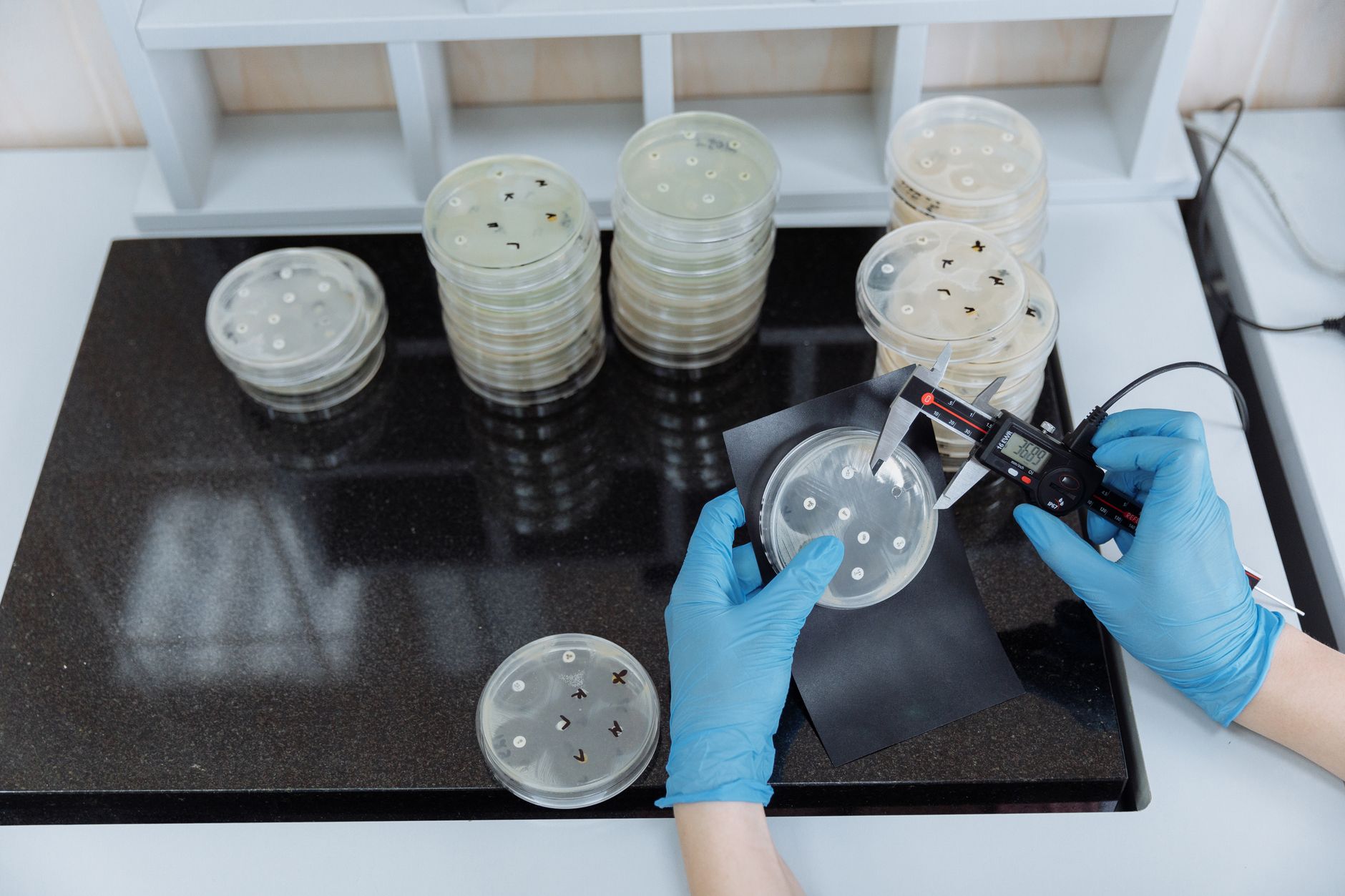
Environmental surveillance is key to understanding the scale and scope of AMR. By monitoring water sources, soil, and wildlife, scientists can track the presence of resistant bacteria and genes, providing crucial data to inform public health strategies. However, surveillance efforts are often fragmented and underfunded, particularly in regions most vulnerable to AMR.
Collaborative international efforts are needed to strengthen surveillance networks. This includes sharing data across borders and investing in technologies that can rapidly detect resistant strains in the environment.
Mitigation Strategies
Addressing AMR requires a multifaceted approach. Reducing antibiotic use in agriculture, improving waste management systems, and developing new drugs are essential steps. Public awareness campaigns can also play a significant role in educating communities about the responsible use of antibiotics and the dangers of resistance.
Moreover, there is a pressing need for policies that regulate the discharge of pharmaceuticals and industrial waste into the environment. Such measures can help minimise the environmental burden of antibiotic residues, thereby reducing opportunities for resistance to develop.
As the world grapples with the challenges posed by AMR, it is clear that the environment cannot be overlooked. It is both a battleground and a potential ally in the fight against resistant pathogens. By recognising the environmental dimensions of AMR, we can develop more effective strategies to protect public health and safeguard our ecosystems.