The Subtle Art of Politics: Navigating Power and Policy
In the grand theatre of politics, every act and every word echoes through the corridors of power, reverberating in the lives of the governed. As politicians jostle for influence, they engage in a delicate dance of negotiation, compromise, and sometimes, confrontation. At its core, politics is the mechanism through which societies organise themselves, from the smallest local councils to the most expansive international bodies.
The landscape of political engagement is as ancient as civilisation itself. From the philosophical musings of Plato and Aristotle to the pragmatic strategies of Chanakya, political thought has perennially wrestled with the question of how best to wield power. In modern contexts, this manifests in the form of political parties, elections, and the ceaseless debate over policy and governance.
The Dance of Democracy
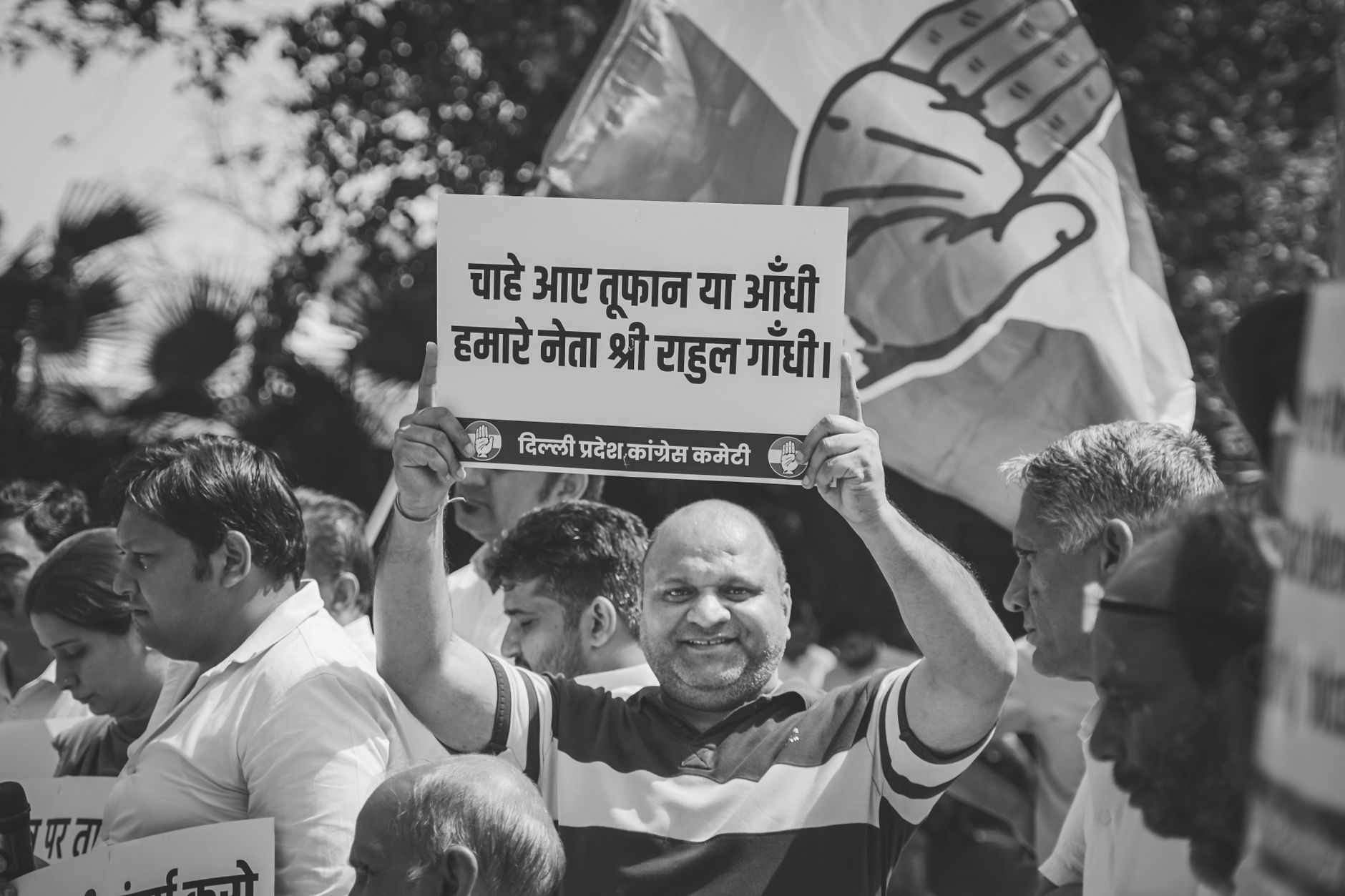
One cannot discuss politics without acknowledging the role of democracy. In theory, it is the epitome of collective decision-making, yet in practice, it often resembles a complex chess game. Political parties, the lifeblood of democratic systems, vie for the public's favour, each promising a vision of the future that aligns with their ideological stance. Elections become the battleground where these visions clash, with the victor claiming the mandate to govern.
Yet, the essence of politics extends beyond mere electoral victories. It is about the continuous balancing of interests, the forging of alliances, and the artful negotiation of policy. The skilled politician is not merely a leader but a mediator, adept at navigating the intricate web of societal needs and expectations.
Global Implications
In an increasingly interconnected world, the decisions made within national borders often have ramifications far beyond. International diplomacy, trade agreements, and environmental policies are just a few examples where domestic politics intersect with global interests. Thus, politicians today must be as attuned to international currents as they are to local sentiments.
The stakes are high. Political decisions can lead to prosperity or upheaval, peace or conflict. As citizens, understanding the nuances of politics is crucial, for it empowers us to engage meaningfully in the democratic process, to hold our leaders accountable, and to advocate for the change we wish to see.