The Surprising Climate Toll of Organic Egg Production
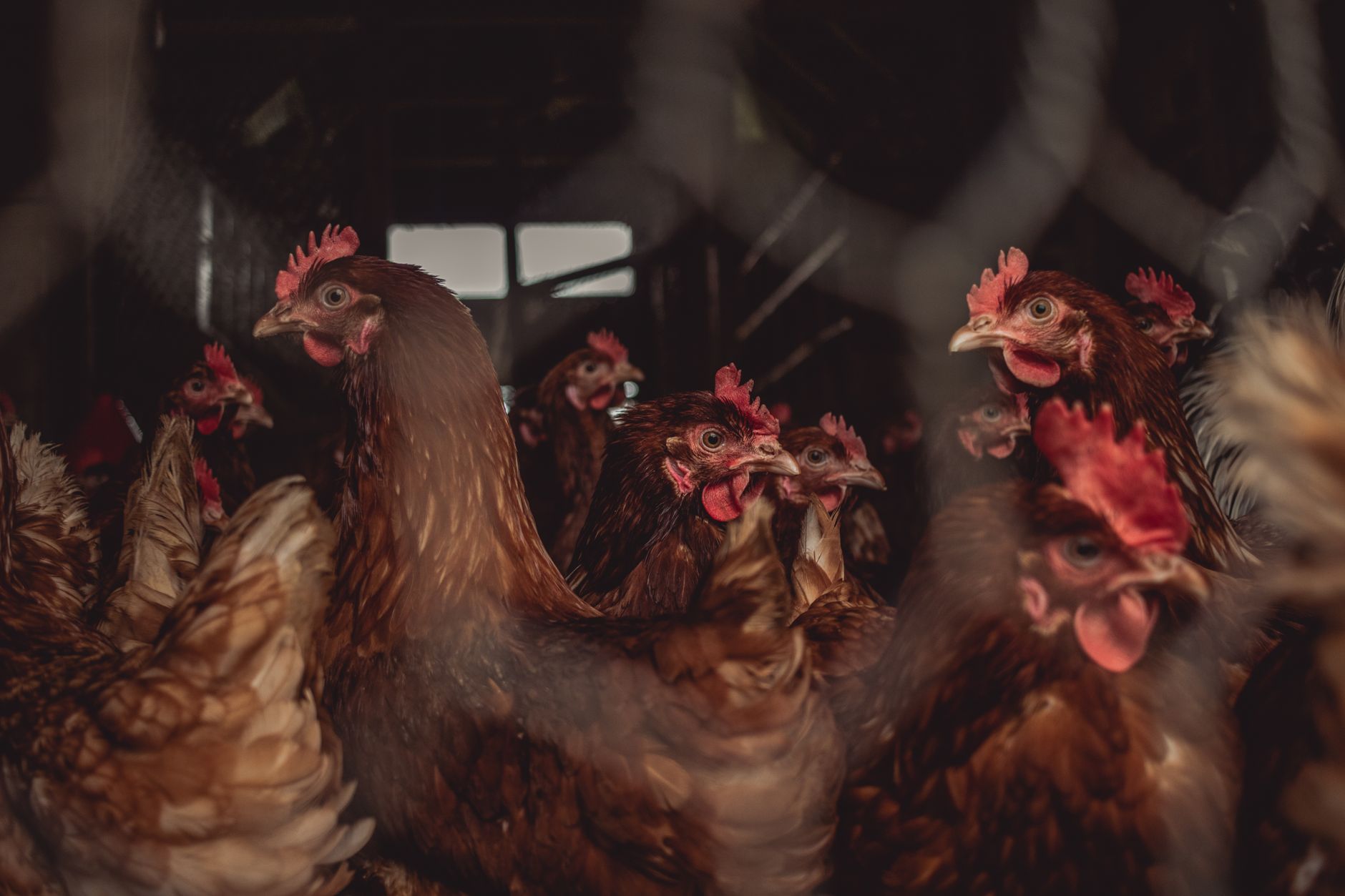
The humble egg, a breakfast staple for many, has become the centre of an unexpected environmental debate. Recent research has unveiled that organic eggs, often lauded for their ethical and health benefits, might be contributing more to climate change than eggs from caged hens.
This counterintuitive finding stems from the inefficiencies inherent in organic and free-range systems. Organic hens, enjoying more space and a natural diet, are less productive compared to their caged counterparts who, despite their confined conditions, lay more eggs per bird. This means that organic farms require more chickens to produce the same number of eggs, leading to increased land use and, subsequently, higher greenhouse gas emissions.
The Numbers Behind the Impact
The study, which has raised eyebrows among environmentalists and consumers alike, suggests that a complete shift to organic egg production in the UK could result in emissions equivalent to 2,316,000 tonnes of CO2. To put this into perspective, this is comparable to the emissions from approximately half a million cars driven for a year.
The findings challenge the popular notion that organic farming is inherently more sustainable. While organic methods avoid synthetic pesticides and fertilisers, they often require more resources and land, thereby potentially exacerbating the very problems they intend to solve.
A Dilemma for Consumers
For consumers, this presents a dilemma. On one hand, the welfare of hens in organic systems is often superior, with more space and a diet closer to their natural habits. On the other hand, the environmental cost of such systems cannot be ignored. As the world grapples with the urgent need to reduce emissions, even seemingly small choices, such as egg selection, take on significant importance.
The research calls for a nuanced discussion about sustainable farming practices. While organic methods have their merits, they may not always be the most climate-friendly option. As such, this debate invites consumers and policymakers to rethink how we define 'sustainability' and to consider the broader impacts of our food choices.