The Unseen Threat: How Tiny Plastics Endanger Our Health
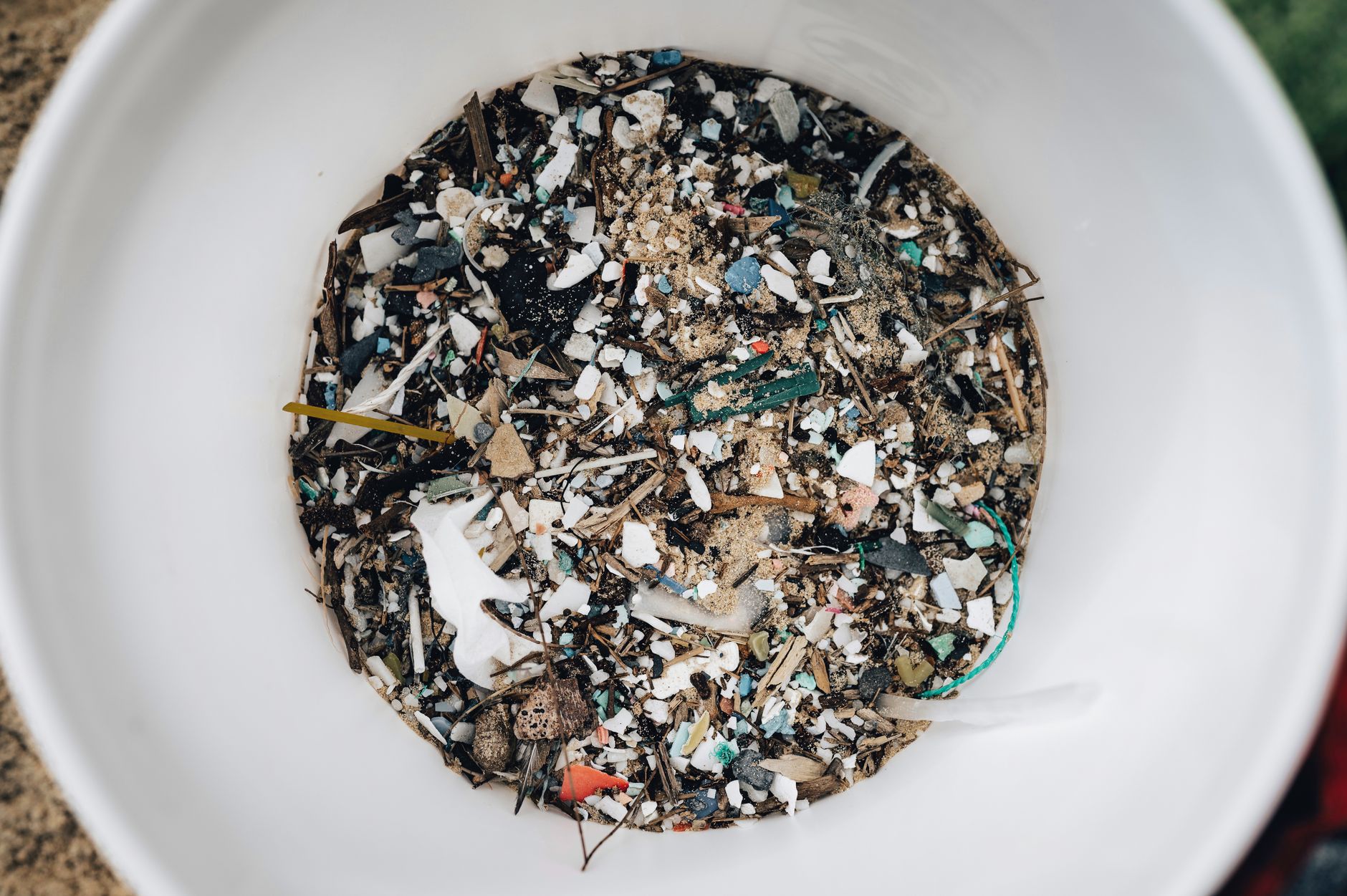
In a world increasingly defined by its plastic dependencies, the true scale of the menace posed by microplastics is only just beginning to unfurl. These tiny fragments, often less than five millimetres in size, have infiltrated every corner of our planet, from the depths of the oceans to the air we breathe. But as they accumulate, their potential impact on human health is becoming harder to ignore.
Invisible Intruders
Microplastics are virtually invisible to the naked eye, yet their presence is ubiquitous. They originate from the breakdown of larger plastic items or are manufactured intentionally, such as in cosmetics. These particles, despite their size, carry the weight of a significant environmental crisis. They act as magnets for harmful substances, absorbing pollutants and chemicals that can disrupt biological processes.
A recent study has shed light on the potential health hazards these particles may pose. As microplastics enter the human body, either through ingestion or inhalation, they could contribute to a range of ailments, from inflammation to more serious conditions. The study suggests a worrying correlation between the presence of microplastics and various health issues, urging further research into this hidden threat.
A Global Dilemma
With global plastic production exceeding 367 million tonnes annually, and a mere 9% being recycled, the proliferation of microplastics is a problem that transcends borders. The particles have been found in some of the most remote environments, highlighting the extent of their spread. This not only affects human health but also poses a serious threat to wildlife and ecosystems.
Environmentalists and scientists are calling for urgent action. Greater efforts in recycling, stricter regulations on plastic production, and increased public awareness are essential to curbing the flow of these persistent pollutants. As the evidence mounts, it is clear that the battle against microplastics requires a concerted global effort.
Ultimately, the tiny plastics that pervade our world may carry dangers far greater than their size suggests. Addressing this issue is not merely an environmental imperative but a public health necessity.