TMC's Saugata Roy Defends Rahul's Mimicry, Calls for Humour in Politics
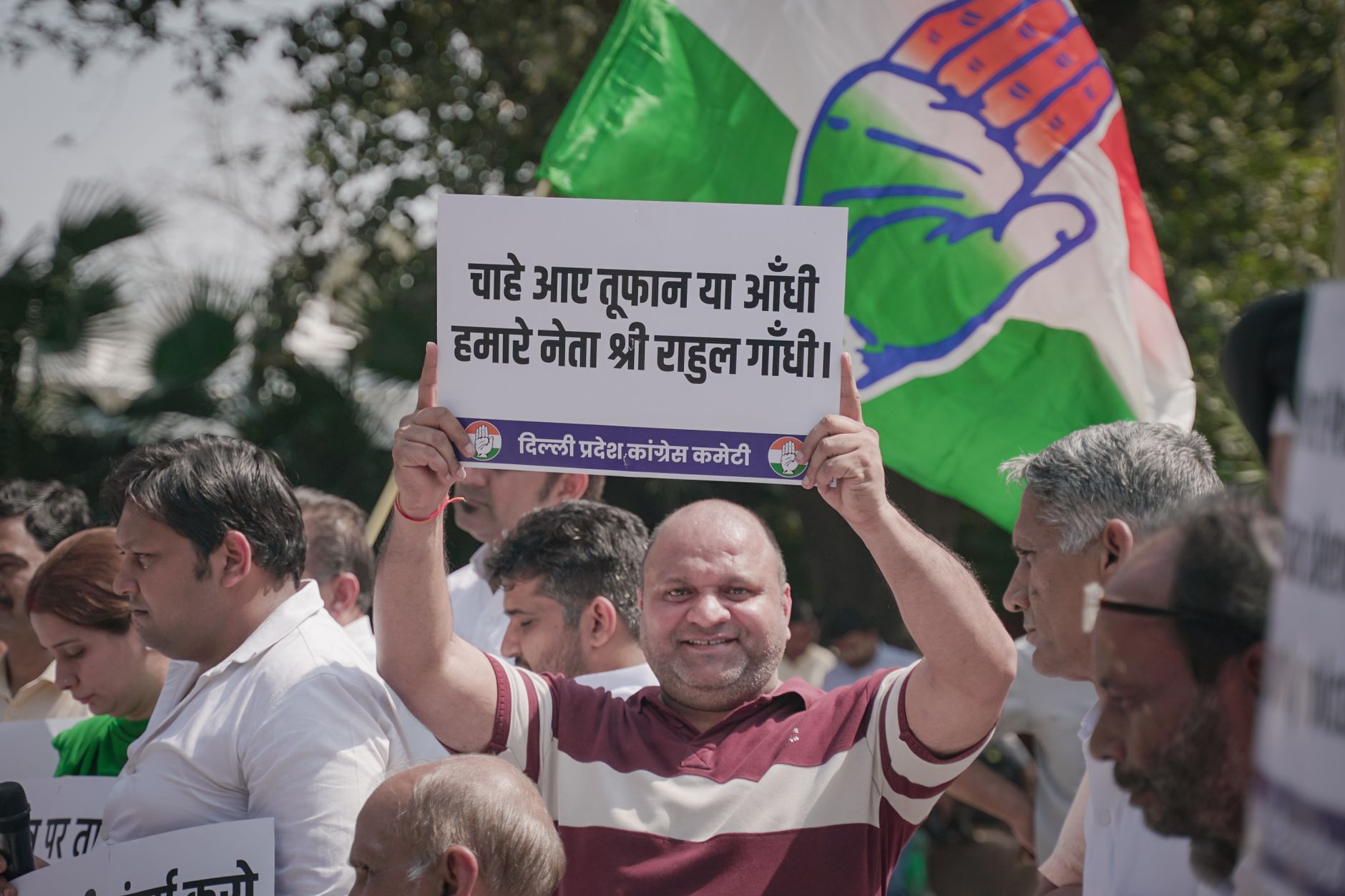
In the often staid and serious world of Indian politics, a touch of levity can sometimes ruffle feathers. This week, it was Congress leader Rahul Gandhi who found himself at the centre of a controversy after mimicking Prime Minister Narendra Modi during a public event. However, in a surprising twist, it was Trinamool Congress (TMC) MP Saugata Roy who stepped in to defend Gandhi's actions.
Speaking at the 'Chhatron Ki Goonj' programme in Indore, Roy remarked, "No insult has been made. What Prime Minister Modi said has merely been repeated; this is not an insult to anyone." His comments come amid heightened political tensions, where every word is often scrutinised for potential affront.
Roy's assertion that humour should have a place in politics is a call for a more relaxed and mature discourse, recognising that leaders too can be the subject of jest without the world collapsing. In an era where political dialogue is frequently marked by acrimony and vitriol, Roy's perspective offers a refreshing departure from the norm.
The Role of Humour in Politics
Humour, as Roy suggests, can serve as a bridge in the often divided world of politics. It humanises leaders, making them more relatable to the public. In the case of Rahul Gandhi's mimicry, Roy contends that it was simply a reflection of Modi's own public persona, rather than a malicious attack.
The larger question remains whether Indian politics can embrace a culture where light-heartedness is not immediately perceived as disrespect. Historically, political humour has played a significant role across the globe, from British parliamentary wit to American late-night satire.
A Call for Maturity
Roy's remarks may well be a litmus test for the maturity of Indian political discourse. As the public and politicians grapple with what is acceptable, the debate initiated by Roy's comments could herald a new chapter where political figures are approached with both reverence and ribbing.
Ultimately, Roy's defence of humour in politics is a timely reminder: a political arena that can laugh at itself might be one that is more open to dialogue and compromise. As the dust settles on this particular row, it remains to be seen whether Roy's call will resonate with his peers.