Toxic Chemicals Pollute Every English Waterway, Data Reveals
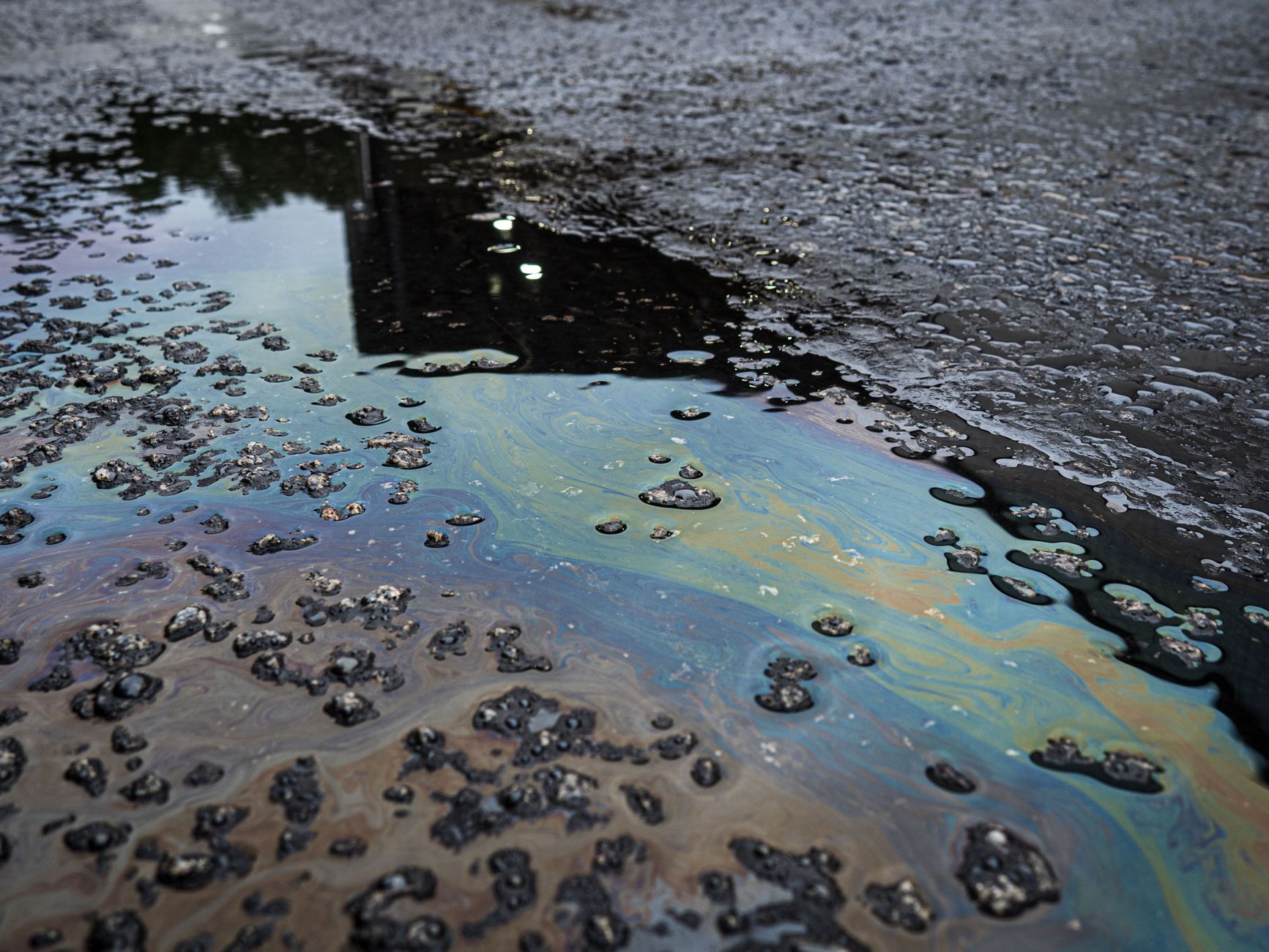
In a disconcerting disclosure that underscores the dire state of England's natural resources, government data has revealed that every lake, river, and coastal water body across the country is polluted with toxic chemicals. This damning evidence paints a grim picture of the nation’s environmental health.
Among the primary culprits are persistent organic pollutants such as PFOS, formerly used as a stain repellent and in firefighting foams, which have now permeated the waters to an alarming degree. These chemicals, once deemed beneficial, linger stubbornly in the environment, defying degradation and causing untold harm to aquatic life and, by extension, the food chain.
Ecological Standards Alarmingly Low
According to the latest findings, only a paltry 14.3% of England’s surface waters have achieved a 'good' ecological status. This figure, undoubtedly disheartening, casts a shadow over the government’s environmental stewardship and raises questions about its effectiveness in safeguarding the country’s natural heritage.
Environmentalists have long warned of the unchecked industrial activities and insufficient regulatory frameworks that have led to this situation. The persistent presence of these toxic chemicals suggests a systemic failure to address pollution at its roots, calling for urgent and comprehensive policy revisions.
Public Health Implications
The implications extend beyond environmental degradation, posing significant risks to public health. Contaminated water bodies are a potential source of pollutants entering the human food chain, thereby affecting communities that rely on these resources for their livelihoods.
Experts advocate for immediate action, urging authorities to implement stricter regulations on chemical usage and to invest in cleaning and restoring the affected water bodies. The call for action is not just an environmental imperative but a public health necessity.
As England grapples with these revelations, the focus must shift to sustainable practices and robust policies that prioritise the health of both the environment and its people. The journey towards cleaner waters is undeniably challenging, but it is one that cannot be deferred any longer.