Toxic Waters: England's Polluted Waterways Exposed
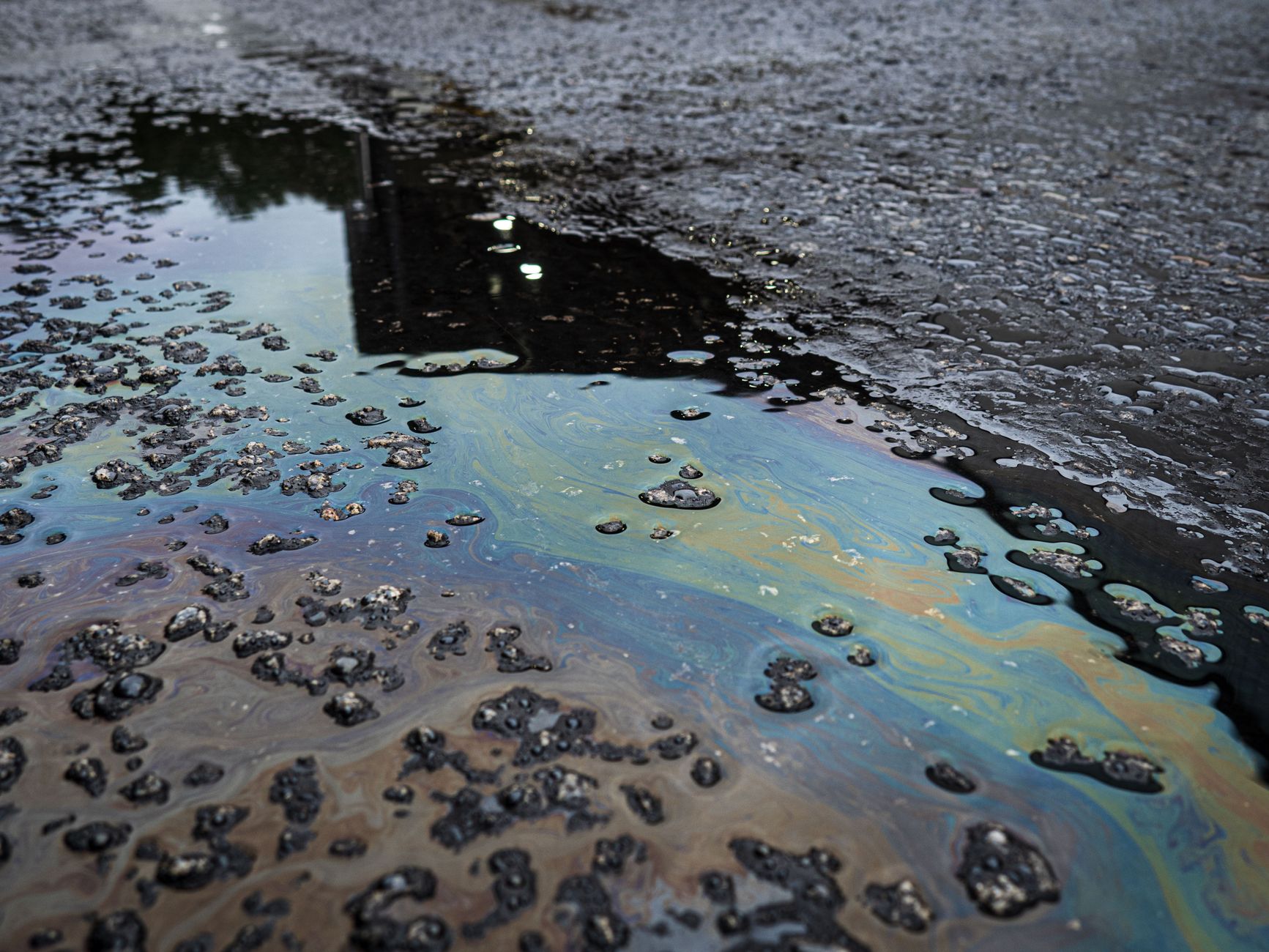
In a revelation that has left environmentalists and citizens alike dismayed, England's water bodies have been officially declared as polluted with toxic chemicals. The stunning admission comes from recent government data, which paints a bleak picture of the nation's waterways. Astonishingly, not a single body of water in England has achieved a good chemical status, with some experts warning that the situation is set to worsen before it gets better.
The Environment Agency, tasked with maintaining and improving England's water quality, has conceded that the ambitious target of reaching good chemical status by 2027 is now a distant dream. Instead, they predict that it will take until 2063 before any meaningful improvement can be expected. This timeline is hardly reassuring for those concerned about the long-term health of both the environment and the population.
Persistent pollutants, including substances like PFOS, a former stain-repellent chemical, and phosphates from agricultural runoff, are primarily to blame. These 'forever chemicals', as they are ominously dubbed, have resisted environmental controls and continue to contaminate the water. Their presence, coupled with the ongoing issue of sewage and animal waste, has left the waters in a perilous state.
International comparisons highlight that England is not alone in grappling with water pollution. Across the Atlantic, nearly 100 million Americans also deal with contaminated drinking water, underscoring a global challenge that requires urgent attention and innovative solutions.
The implications of this report are profound, both for environmental policy and public health. It calls into question the efficiency of current water management strategies and highlights a pressing need for reform. As the government grapples with these findings, the public's patience wears thin, demanding swift and decisive action to safeguard their natural resources.