
Tropical Insects and the Pitfalls of 'Parachute Science'
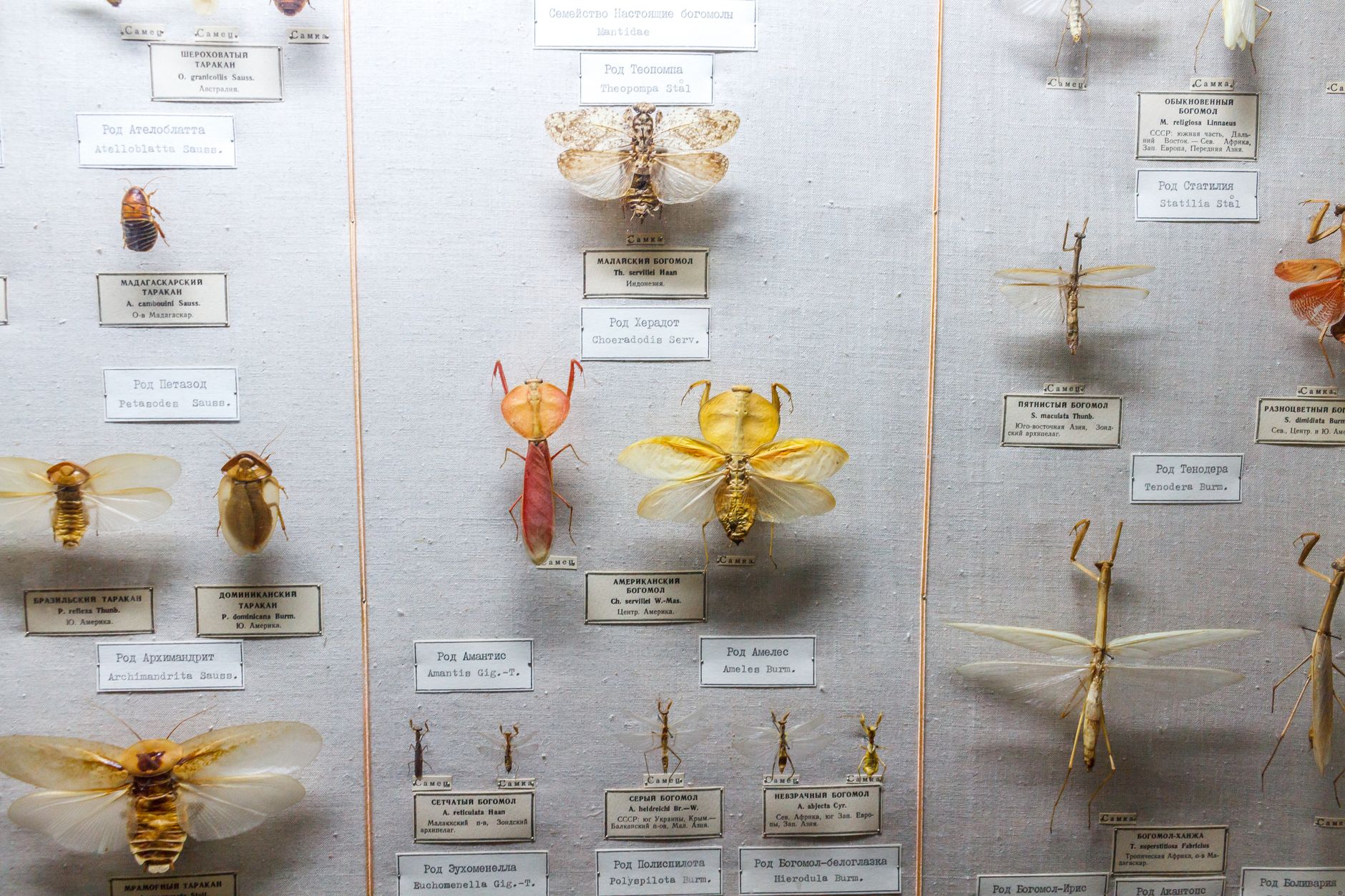
As the sun filters through the dense canopy of a tropical rainforest, a world teeming with life buzzes beneath. Yet, despite hosting over 80% of the planet’s insect species, these vibrant regions are often left in the shadows of scientific understanding. The culprit? A practice known as 'parachute science'.
Originating from the ivory towers of the wealthy West, researchers often descend upon these biodiverse hotspots, gather data, and depart with little regard for local scientific capacity. Dr Chowdhury, a leading entomologist, highlights a profound irony: 'We know less about the insects in these regions than we should, given their abundance and ecological importance.'
The consequences of this approach are not merely academic. Insects play crucial roles in pollination, decomposition, and as a food source for other wildlife. Their decline could have ripple effects across ecosystems. However, conservation efforts are hampered by a lack of comprehensive data, exacerbated by the transient nature of parachute research.
A Colonial Hangover
The term 'parachute science' evokes colonial-era practices where local communities were viewed as mere resources for extraction. Today, this manifests in scientific collaborations that treat local researchers as data providers rather than equal partners. Such practices not only stifle local scientific development but also lead to skewed research priorities and outcomes.
Efforts to reverse this trend are underway, with increasing calls for more inclusive and equitable research practices. Initiatives promoting local leadership in scientific studies are gaining traction, encouraging knowledge exchange and capacity building.
Moving Towards Genuine Collaboration
Recent developments suggest a shift might be on the horizon. The pandemic, while disruptive, has spotlighted the limitations of traditional research models, pushing scientists to reconsider their approaches. As Dr Chowdhury notes, 'True progress will come when local researchers lead projects and global scientists act as collaborators.'
For the myriad of species dwelling in tropical regions, this change cannot come soon enough. The insects of the tropics are not just subjects of study; they are essential to the health of our planet's ecosystems. To preserve them, the scientific community must fly in formation, rather than simply parachute in.


