Tufts University Faces Social Media Storm as Indian Youth Movement Gains Momentum
In an unexpected twist of events, Tufts University, known for its academic rigour and global perspective, finds itself embroiled in a social media storm fuelled by an Indian youth movement. The campaign, characterised by its satirical moniker 'Cockroach Janta Party', has taken aim at India's Education Minister Dharmendra Pradhan, demanding his resignation. However, the digital protest has spilled over into personal attacks on his daughter, Naimisha Pradhan, a recent graduate of the Fletcher School.
Naimisha, caught in the maelstrom, has deactivated her Instagram account amidst relentless trolling. The criticism centres around her decision to pursue higher education abroad, a move seen by many as emblematic of the privilege often associated with political families in India. Her withdrawal from social media highlights the brutal nature of online discourse, particularly when intertwined with political dissent.
At the heart of this issue lies a broader discontent with India's educational policies, perceived by some as failing to address the needs of the younger generation. The 'Cockroach Janta Party', though light-hearted in name, represents a serious critique of the status quo. Its supporters argue that the current system benefits only a select few, leaving the majority of students grappling with inadequate resources and opportunities.
Echoes of Discontent
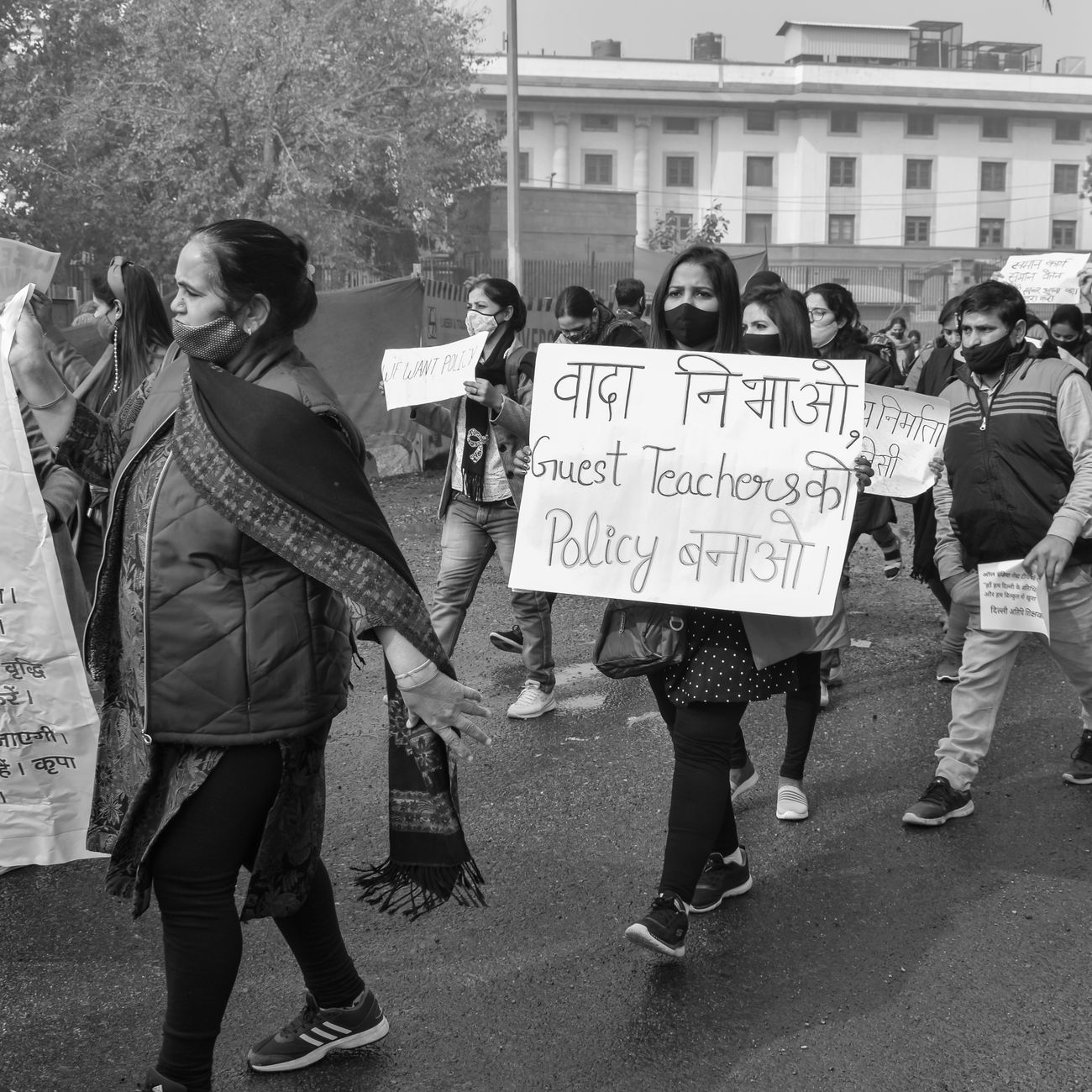
The protest movement, which began as a digital campaign, has now found a physical presence at Jantar Mantar in Delhi. Here, young demonstrators gather, voices raised against what they see as systemic inequities. The demand for Dharmendra Pradhan's resignation is not merely a call for change in leadership but a broader plea for educational reform.
Tufts University, unwittingly at the centre of this international controversy, finds its social media channels flooded with messages of support for the movement, as well as criticisms of Naimisha's perceived privilege. This situation underscores the growing interconnectedness of global educational institutions and the political landscapes of their students' home countries.
As Indian youth continue to rally online and offline, the incident serves as a stark reminder of the power and perils of digital activism. It also raises questions about the responsibilities of universities in addressing the personal attacks on their alumni amid international political strife.