Tunisia's Quiet Tensions: Disillusionment Grows Amidst Repression
In the bustling streets of Tunis, life appears deceptively serene. The usual hustle of vendors and the chatter of pedestrians paint a picture of normalcy. Yet, beneath this veneer of calm, a simmering discontent is quietly taking root. It's a sentiment that has been growing steadily since President Kais Saied's audacious power grab five years ago.
Once hailed as a beacon of hope in the Arab world, Tunisia's journey post-2011 revolution has been fraught with challenges. The initial euphoria of ousting a dictator and embracing democratic processes has given way to a grim reality. Economic decline and collapsing public services have left many Tunisians disillusioned with the current state of affairs.
The Unfulfilled Promise of Democracy
While Tunisians are now free to elect their leaders and express dissent openly, the dream of meaningful change has largely remained unfulfilled. For many, the gains of the revolution have been overshadowed by the daily struggles of inflation, unemployment, and a faltering healthcare system.
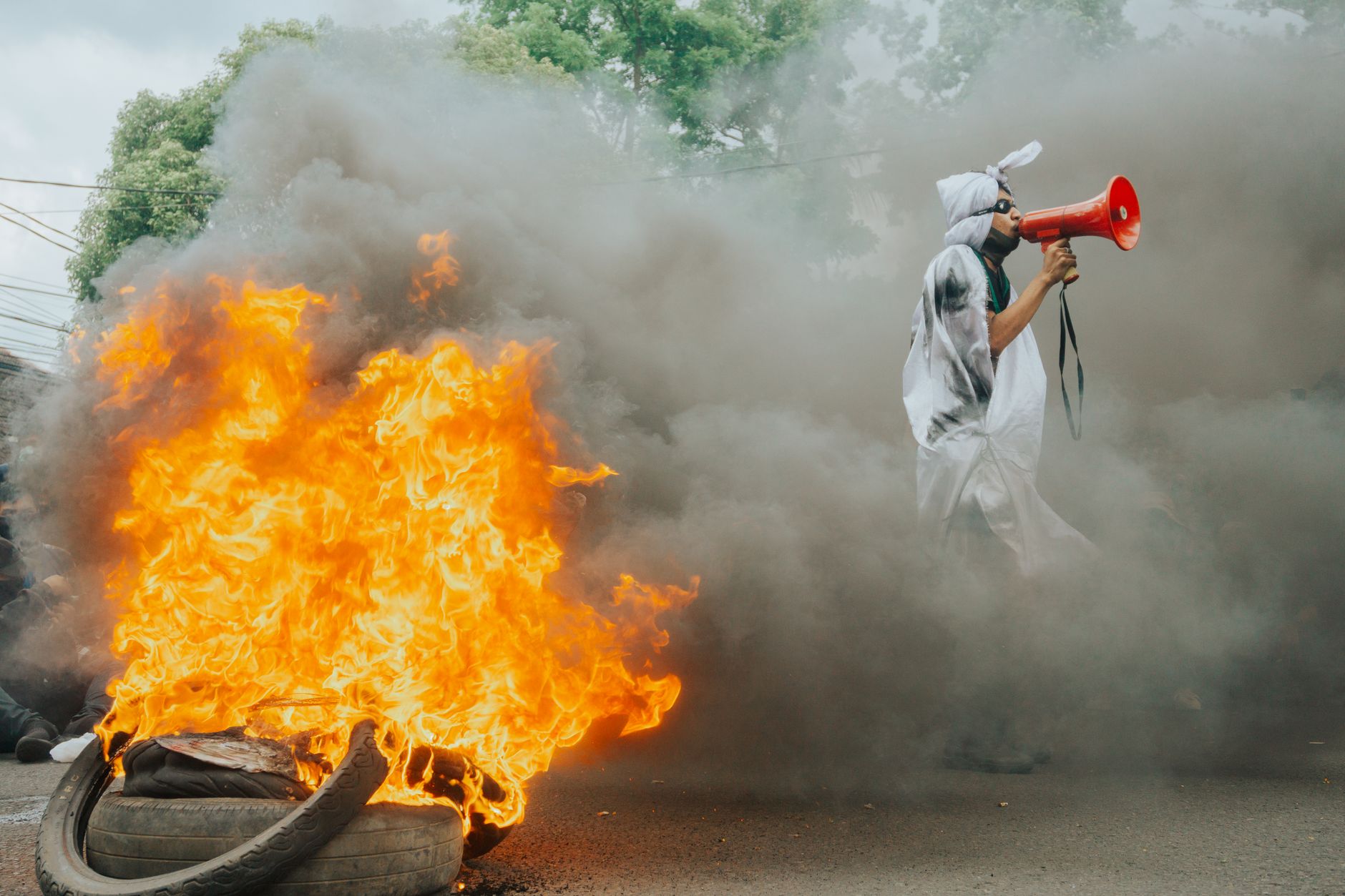
President Saied's consolidation of power has not only stifled political opposition but also curtailed freedoms subtly. Critics argue that his administration's heavy-handed approach towards dissent is reminiscent of the autocratic rule that Tunisians fought to end. Nonetheless, public protests remain sporadic, with a pervasive sense of fatigue and resignation among the populace.
A Nation at a Crossroads
The current climate in Tunisia poses a significant question: can the aspirations of a once hopeful nation be reignited, or will they be consigned to the annals of history as an unfulfilled promise? For now, many Tunisians are left reflecting on the events of 2010, contemplating the cost of their hard-won freedom.
As they navigate the complexities of their current political landscape, Tunisians are at a critical juncture. Whether they can harness their collective dissatisfaction to forge a new path remains uncertain. However, what is clear is that beneath the silence, public anger is not just simmering; it is waiting for a catalyst.