
Two Frog Species Discovered in Mizoram: A Leap for Science
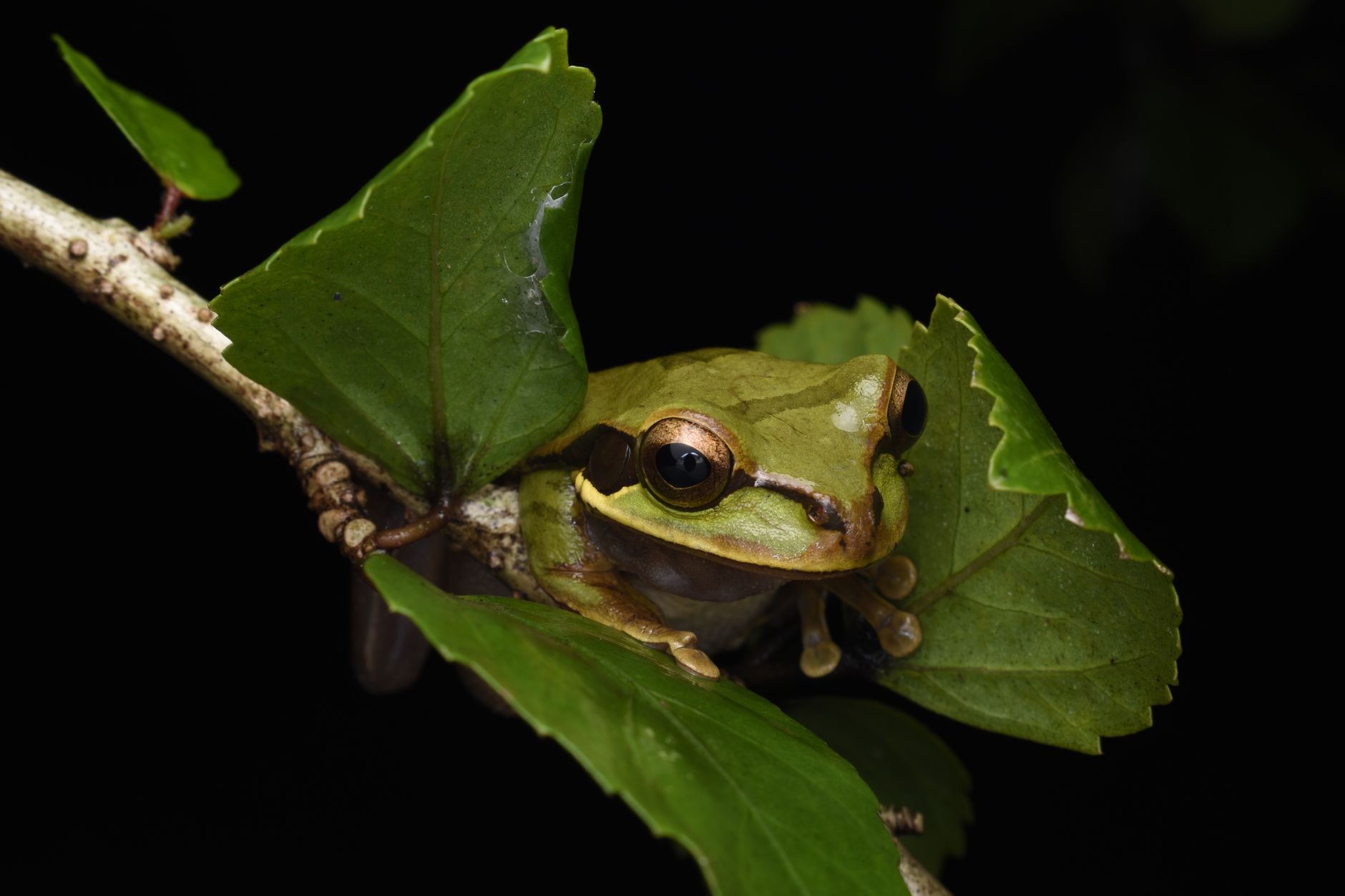
In a twist that would delight any natural historian, two new species of frogs have emerged from the lush landscapes of Mizoram, a state in northeastern India. Amidst the verdant hills and misty mountain tops, these amphibians have been christened Duttaphrynus phawngpui and Ingerana aizawl, after the region’s most prominent geographical features.
The discovery is noteworthy not merely for the fact that new species were found, but because one of them, Ingerana aizawl, has been hiding in plain sight on a university campus for over two decades. Initially mistaken for a widespread species, this frog has finally been recognised for its unique genetic makeup, thanks to the meticulous work of researchers and the power of modern DNA analysis.
Unveiling the Unknown
Duttaphrynus phawngpui, a toad found at nearly 2,000 metres elevation, boasts a lineage that stretches back 55 million years, sharing ancestry with species originating from what is now Brazil's Amazon. This revelation underscores the complex evolutionary histories that have shaped the biodiversity of the Indian subcontinent.
The story of these frogs is a testament to the importance of both fieldwork and museum collections. While many might imagine that discovering new species involves arduous treks into uncharted wilderness, some findings emerge under our very noses, in places as mundane as university gardens.
Implications for Conservation
As these frogs enter the scientific record, they also enter the conservation spotlight. Their presence in Mizoram is a reminder of the ecological wealth harboured within this often-overlooked region. It raises questions about what other unknown species might dwell in these biodiverse habitats, underscoring the need for continued conservation efforts.
Ultimately, the discovery of Duttaphrynus phawngpui and Ingerana aizawl is a leap forward for science, providing fresh insights into the evolutionary tapestry of amphibians and offering a clarion call for the conservation of the rich and varied ecosystems of northeast India.


