Ugandan Boxers Go Missing in UK: A Quest for Better Opportunities?
The Commonwealth Games in Glasgow concluded with an unexpected twist as four Ugandan boxers have reportedly vanished, igniting concerns and speculations. Angel Katushabe, Nuhu Batte, Ibrahim Khemis, and Emily Nakalema failed to board the flight back home, sparking a search by Ugandan officials.
According to sources, the athletes are believed to be seeking asylum in the UK, drawn by the allure of superior training facilities and the prospect of more promising boxing careers. One boxer reportedly confided to NBS Sport, a Ugandan news outlet, that the decision to remain in the UK was motivated by the desire for better opportunities that their homeland could not provide.
Historical Precedents and Legal Ramifications
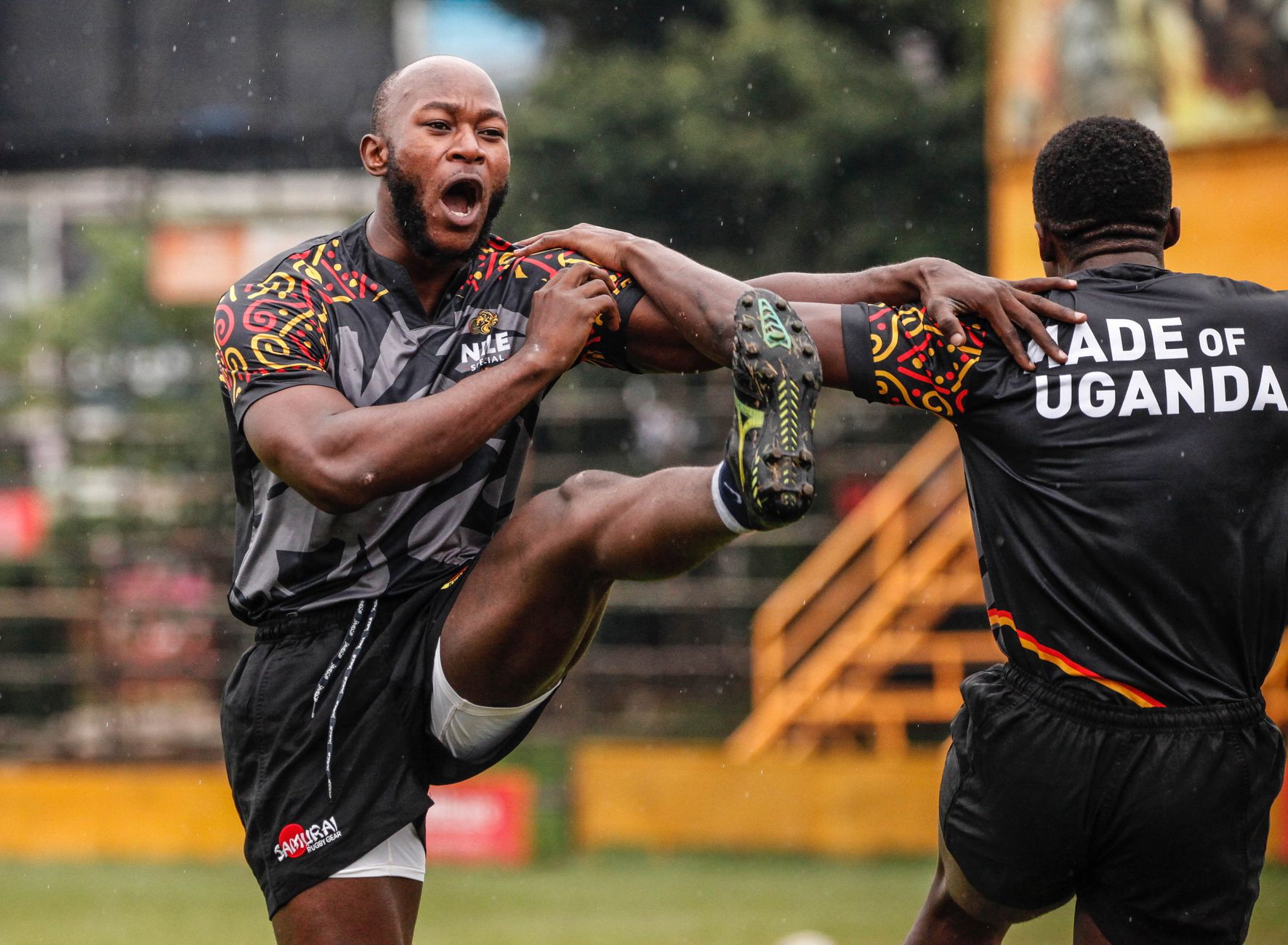
This is not the first time athletes have chosen to remain in the UK post-competition. The tale of Philip Pariyo, a Ugandan rugby player who was imprisoned after claiming asylum post-2014 Commonwealth Games, serves as a cautionary reminder of the potential legal complications. Similarly, Nazeer Ullah Khan, a Pakistani boxer, faced legal troubles after opting not to return home.
For these athletes, the decision to seek asylum is fraught with challenges, not least of which is navigating the UK's complex immigration system. The risks are significant, with potential legal repercussions and the looming threat of deportation.
A Broader Issue
The incident sheds light on a broader issue: the disparity in sports infrastructure between developed and developing nations. Many athletes from countries like Uganda face a stark choice between limited prospects at home and the uncertain promise of a better future abroad.
While the Ministry of Foreign Affairs in Uganda has initiated efforts to locate the missing athletes, their disappearance underscores a persistent issue in international sports. The lure of better facilities and opportunities can be compelling enough to prompt drastic actions, even if it means leaving one's country behind.
As the story unfolds, it brings into sharp focus the sacrifices athletes are willing to make for a shot at success, and the systemic inequalities that drive such decisions.