UN Adopts New World Map Highlighting Africa's True Size
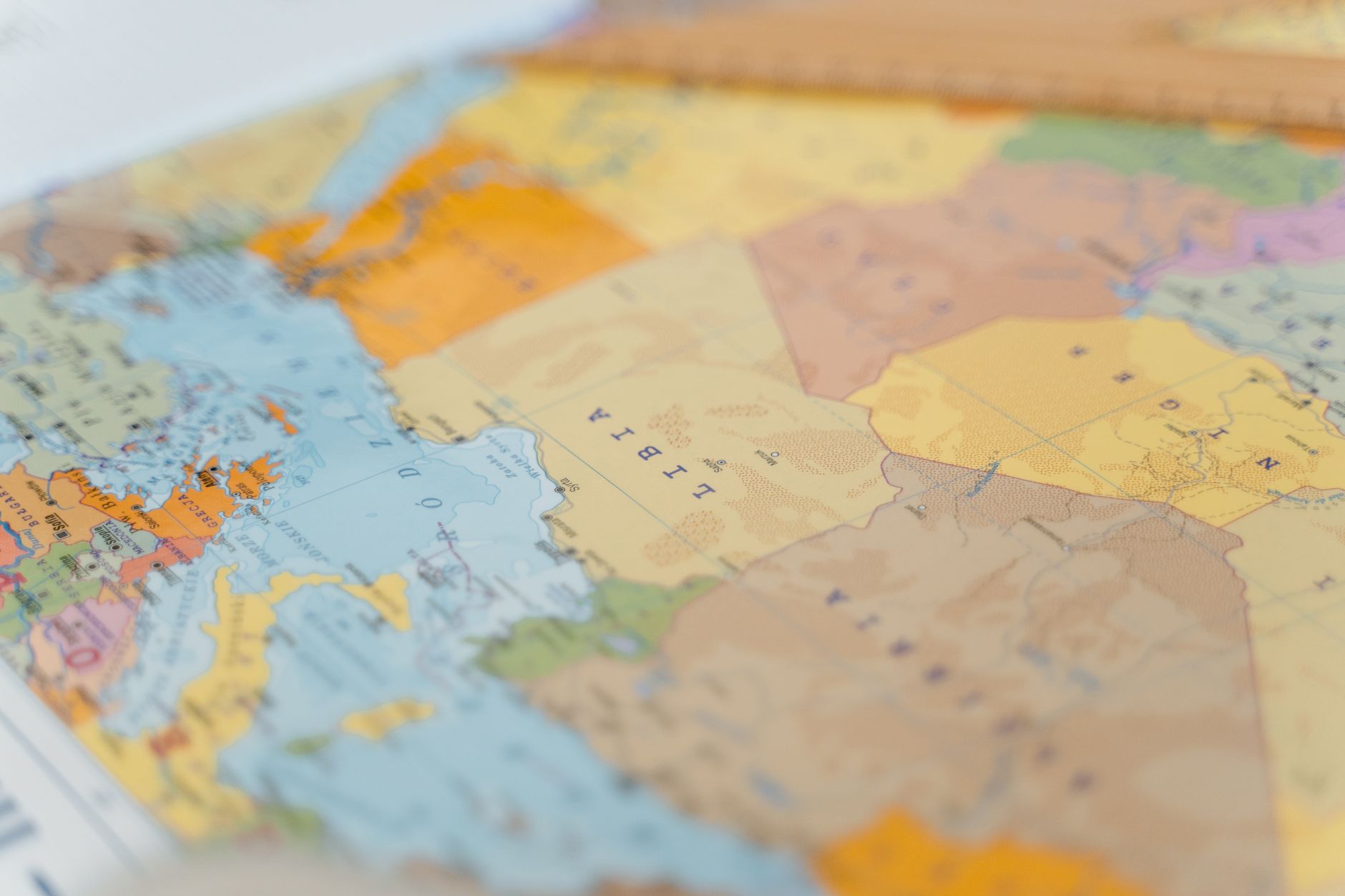
In a decisive move to rectify centuries of cartographic distortion, the United Nations General Assembly has voted to adopt a new world map that accurately reflects the size of Africa. The decision, passed by an overwhelming majority of 164 votes to one, with six abstentions, represents a significant step towards addressing historical inaccuracies in global mapping.
The 'Correct the Map' resolution, spearheaded by Togo and robustly supported by the African Union, was hailed as a victory for truth and representation. For too long, Africa's true geographical size has been minimised in traditional Mercator projections, leading to misconceptions about the continent's scale and potential. The adoption of the new map seeks to amend this misrepresentation, providing a more truthful depiction of all continents.
The Implications of the New Map
Supporters of the resolution argue that map accuracy is not merely a cartographic concern but a matter of global perception. The Mercator projection, while useful for navigation, disproportionately enlarges regions away from the equator, such as Europe and North America, while shrinking those closer to it, notably Africa and South America.
The revised map, therefore, serves as a tool for promoting educational equity and awareness, ensuring that future generations view the world with a more balanced perspective. African leaders have expressed hope that this change will lead to greater recognition of Africa's importance in world affairs, both politically and economically.
A Broader Global Impact
While the United States stood alone in opposing the resolution, citing technical concerns, the global response has been largely positive. The map's adoption signifies a growing acknowledgment of the need to correct historical injustices and foster a more inclusive understanding of global geography.
This cartographic update is not merely symbolic; it is a reflection of shifting geopolitical dynamics and an affirmation of Africa's rightful place on the world stage. As the map changes, so too, it is hoped, will perceptions and policies, paving the way for a more just and equitable international community.