UN Adopts New World Map, Redrawing Our Perception of Africa
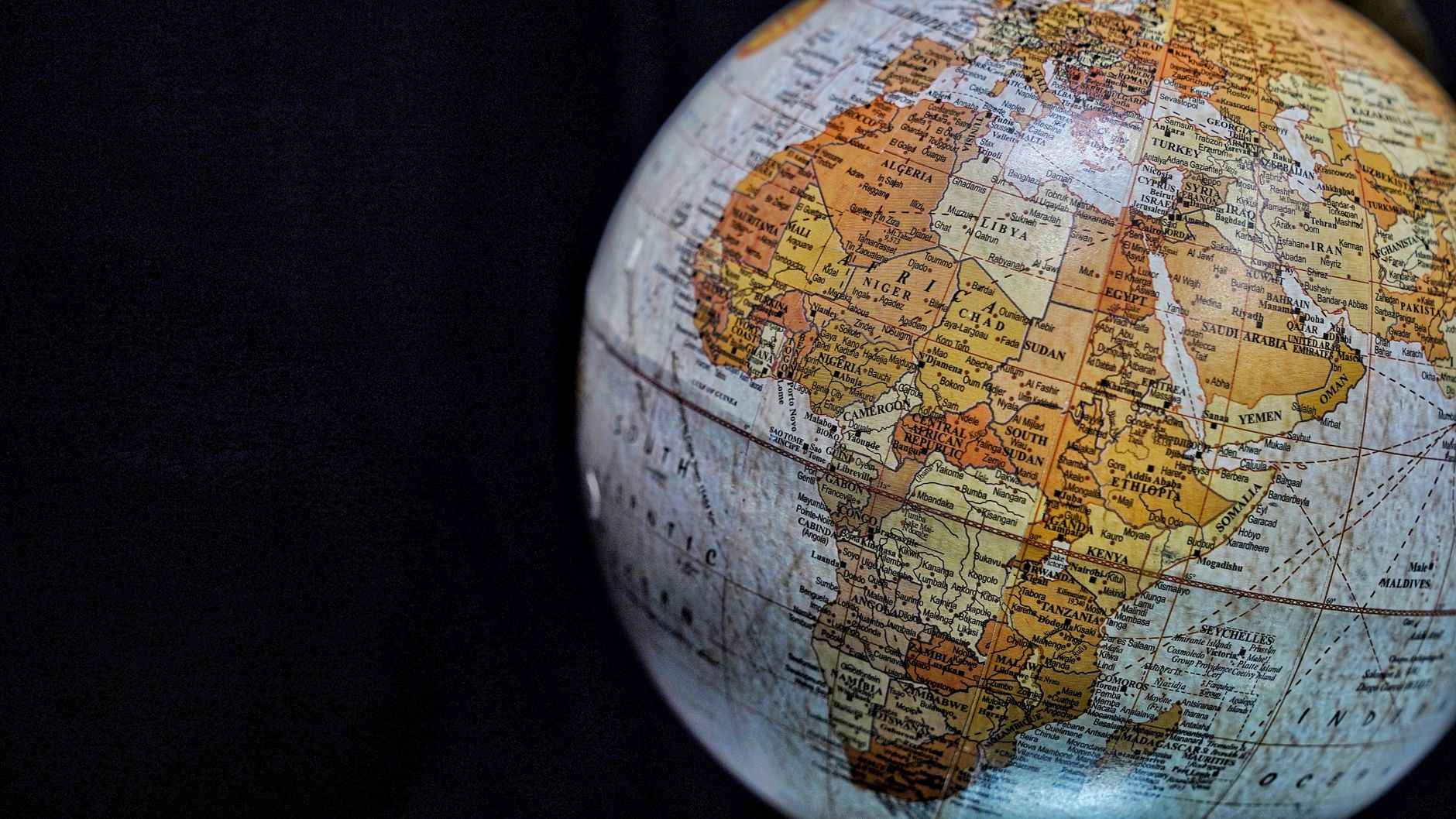
The United Nations General Assembly has cast a decisive vote to adopt a new world map, shifting away from the centuries-old Mercator projection that has long misrepresented the size of continents. This historic decision, spearheaded by Togo and supported by the African Union, seeks to correct the disproportionate depiction of Africa and other regions, a distortion that has skewed perceptions for generations.
The Mercator projection, developed in 1569 for navigation purposes, has been criticised for inflating the size of Europe and North America while shrinking Africa and South America. Critics argue that this distortion has contributed to a Eurocentric worldview, subtly reinforcing geopolitical biases. By adopting the new map, the UN aims to foster a more accurate and equitable representation of the world.
Africa's Role in Map Reform
African nations have been at the forefront of this reform, advocating for a map that reflects their true scale. The "Correct the Map" resolution, championed by Togo, garnered overwhelming support from 164 member states. This move is seen as a pivotal moment in addressing historical misrepresentations and promoting equality in international relations.
Dr. Kofi Annan, a geography scholar, noted, "This is not just about maps; it's about correcting a narrative that has been imposed for centuries. It’s about recognising the true significance of Africa and other underrepresented regions."
Implications for Global Education
Educational institutions worldwide are expected to gradually incorporate the new map into their curricula, a change that could alter students' understanding of global geography. The shift also presents an opportunity for educators to discuss the impact of historical biases in mapmaking.
While the transition to the new map will take time, the UN’s decision marks a significant step towards reimagining how we view our planet. It challenges long-held perceptions and paves the way for a more balanced global perspective.