UN Calls for Accurate Maps to Reflect Africa's True Size
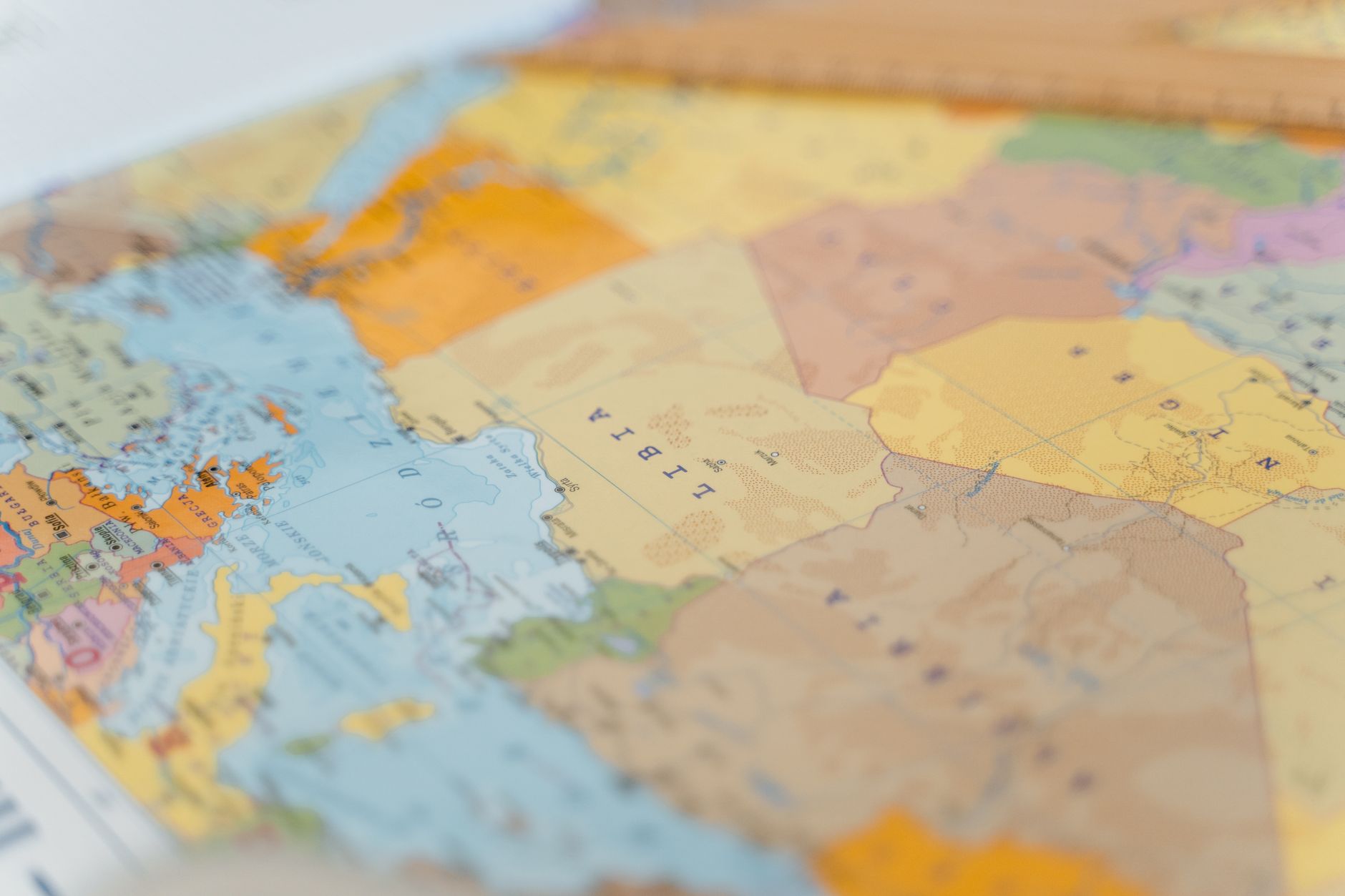
The United Nations General Assembly has made a bold statement: Africa should not be made to look smaller than it truly is. With a vote count of 164 to 1, a resolution has been passed encouraging the global community to adopt map projections that more accurately reflect the continent's actual dimensions. This move challenges the long-standing dominance of the Mercator projection, which has for centuries depicted Africa disproportionately.
The push for change was spearheaded by Togo, representing the African group, and was bolstered by support from the African Union. The resolution highlights the problematic nature of symbolic minimisation, which has contributed to an unbalanced global perception of Africa's significance and potential.
A Shift in Perspective
Maps have always been more than just navigational tools; they are instruments of power and perception. The Mercator projection, while useful for certain navigational purposes, distorts the size of landmasses, making regions near the equator, like Africa, appear much smaller relative to their actual size. This distortion has often reinforced outdated stereotypes and skewed global consciousness.
The UN's decision marks a significant step towards redressing these historical inaccuracies. By encouraging the use of equal-area projections, such as the Gall-Peters map, which portrays all areas according to their actual size, the resolution aims to recalibrate how Africa is viewed on the world stage.
Implications for the Future
While the resolution may seem a small step, its implications are profound. By altering how Africa is represented on maps, there is potential to shift educational narratives, influence economic policies, and reshape geopolitical strategies. A more accurate depiction of Africa challenges preconceptions and encourages a reassessment of the continent's role and influence.
Notably, the United States was the sole dissenter in the vote, citing concerns over the practicality of implementing such changes globally. However, the overwhelming support for the resolution suggests a growing recognition of the need for fairer representation.
As the world grapples with the legacy of colonial perceptions, this initiative by the UN offers a chance to foster a more equitable and informed global community. By embracing maps that reflect reality, we pave the way for a future where Africa's true size and potential are acknowledged and respected.