UN Considers Map Overhaul to Reflect True Country Sizes
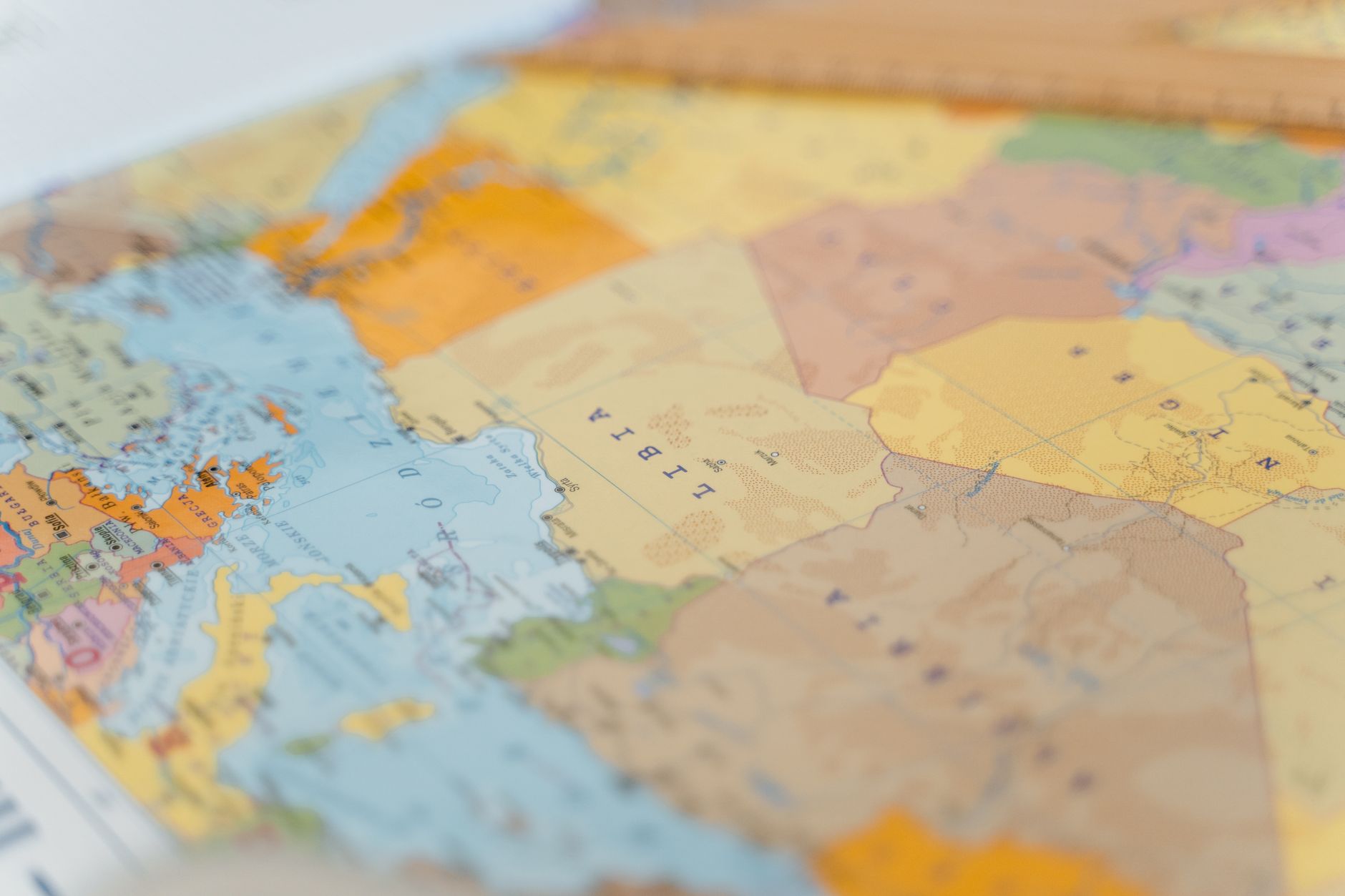
In a move that could reshape our understanding of geography, the United Nations General Assembly is set to vote on adopting a new world map that promises to portray countries' true sizes more accurately. This initiative challenges the long-standing Mercator projection, which has been criticised for its Eurocentric distortions since its creation in 1569.
The Mercator map has been a staple in classrooms and offices worldwide, but it presents significant inaccuracies. While useful for navigation, its depiction of landmasses is skewed, making regions like Greenland appear roughly the same size as Africa, despite Africa being nearly 14 times larger. Such misrepresentations have long fuelled misconceptions about the relative importance and size of nations.
The resolution before the UN favours the Equal Earth projection, a map designed to offer a more equitable view of the world. Unlike its predecessor, it maintains the correct proportions of countries, ensuring that Africa's vast expanse is no longer diminished. Advocates argue this change is not merely cartographic but also symbolic, challenging historical biases embedded in global perception.
Maps are more than mere tools for navigation; they are instruments of representation that influence how we perceive the world. This shift, if approved, could have profound implications for education and geopolitics. Students might grow up with a more accurate understanding of global geography, potentially fostering a more balanced worldview.
However, not everyone is convinced of the need for change. Some argue that the practical benefits of the Mercator map for navigation outweigh its drawbacks. Yet, as debates continue, the push for a map that reflects true realities gains momentum, underscoring a broader movement towards accuracy and fairness.
As the UN General Assembly prepares to cast its votes, the world waits to see whether this cartographic revolution will be embraced. If adopted, it could mark a significant step towards dismantling outdated narratives and fostering a more truthful representation of our shared world.