UN Embraces Map Overhaul to Accurately Depict Africa's Size
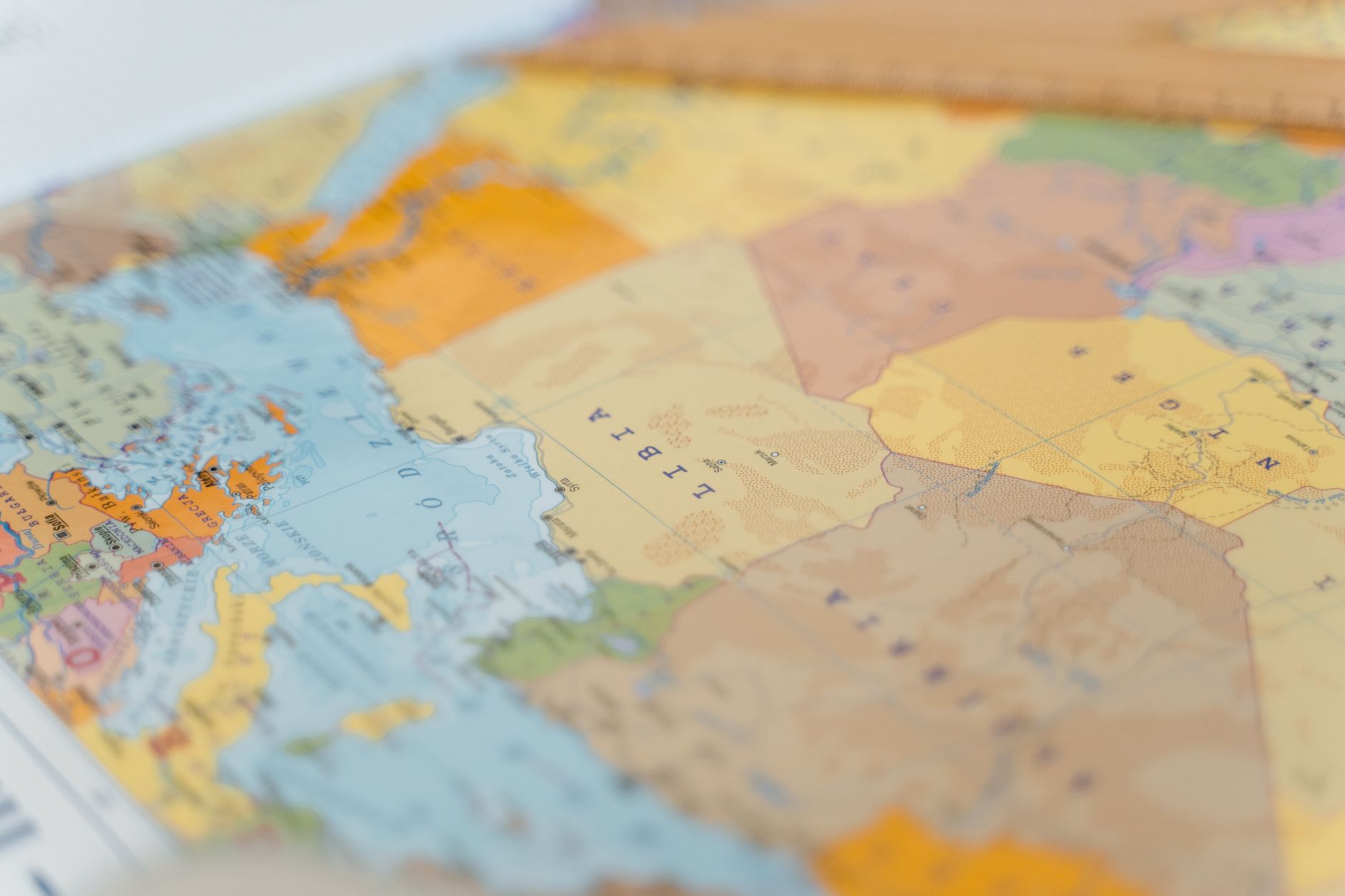
In a landmark decision, the United Nations General Assembly has resolved to adopt a new world map that accurately represents the size of Africa, bidding farewell to the traditional Mercator projection. This resolution, aptly titled 'Correct the Map', was championed by Togo and garnered widespread support from African nations aiming to rectify a misrepresentation that has persisted for centuries.
The Mercator projection, devised in the 16th century by Flemish cartographer Gerardus Mercator, has long been criticised for its distortions. While useful for navigation due to its ability to maintain straight lines, it grossly exaggerates the size of land masses farther from the equator. Consequently, Africa, despite being larger than North America and Europe combined, appears significantly smaller.
Africa's Real Dimensions
This cartographic distortion has had far-reaching implications beyond the mere realms of geography. It has contributed to an underestimation of Africa's vastness and potential, subtly influencing political and economic perceptions. By adopting a map that presents Africa's true scale, the UN is taking a symbolic yet significant step towards correcting historical biases.
Supporters of the resolution argue that maps are powerful tools that shape our understanding of the world. Accurate representation can influence global narratives, and an equitable map could pave the way for a more balanced view of international relations and development opportunities.
Global Implications
The move has been hailed as a victory for African nations, who have long campaigned for a more accurate representation. It also reflects a growing recognition of the need for reform in global institutions and practices that have historically marginalised certain regions.
Critics, however, caution that while changing the map is a positive step, it must be accompanied by broader efforts to address geopolitical and economic disparities. Maps, after all, are more than mere illustrations; they are reflections of power dynamics and perceptions.
As the world adjusts to this new perspective, the hope is that the revised map will foster a greater appreciation for Africa's true scale and potential, encouraging more equitable international engagement. The adoption of this map may well be a cartographic correction, but it is also a reminder of the importance of representation in shaping our world view.