UN Endorses Accurate Map, Redefining Africa's Scale
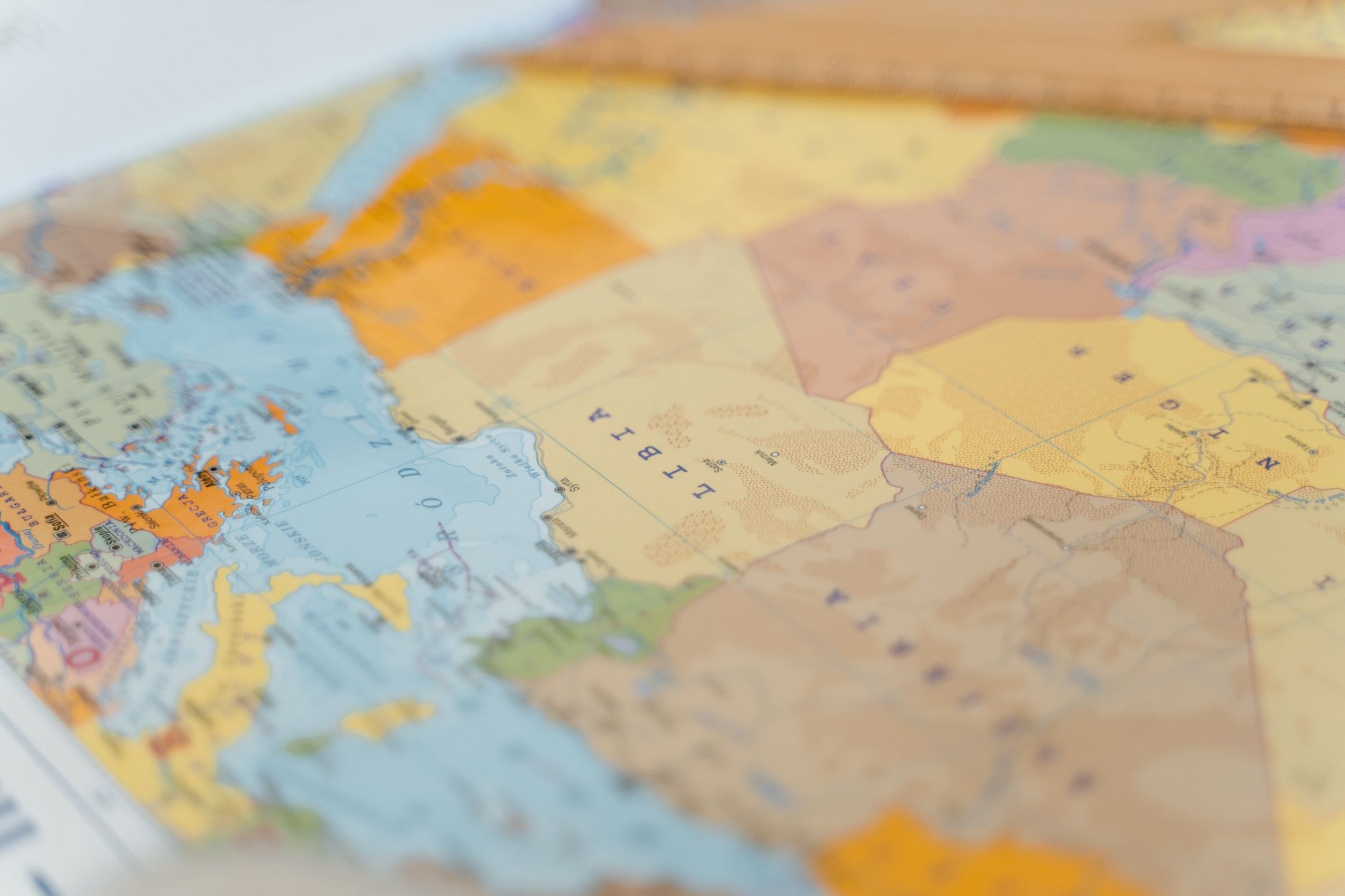
The United Nations has thrown its considerable weight behind a new world map that portrays Africa in its true proportions, a significant move towards rectifying historical inaccuracies in global cartography. This decision has been warmly welcomed by the African Union, which has long championed the Correct the Map initiative, an effort to redefine Africa’s place on the world stage.
For decades, the Mercator projection has been the standard in world maps, prioritising navigational accuracy at the expense of true geographical representation. This projection has notably shrunk Africa's size relative to Europe, perpetuating misconceptions about the continent’s scale and importance. The newly endorsed map utilises the Equal Earth projection, which offers a more realistic depiction of Africa’s vast landmass, portraying it as the second-largest continent it truly is.
Correcting Cartographic Injustices
The decision to adopt a new map is not just about geographical accuracy; it carries a symbolic weight that challenges longstanding biases. Misrepresentations in maps have subtle yet profound influences on perceptions, often skewing geopolitical and economic narratives. By presenting Africa in its true size, the UN aims to foster a more balanced view of global dynamics.
Critics of the traditional Mercator projection argue that it has contributed to a Eurocentric worldview, minimising the significance of continents like Africa and South America. The Equal Earth projection, in contrast, provides a visual correction, depicting countries in a manner that reflects their actual dimensions and relative importance on the global stage.
Global Reactions and Implications
The African Union has hailed the UN's decision as a triumph for their persistent advocacy, seeing it as an opportunity to reshape perceptions and narratives about the continent. This move could influence educational materials worldwide, altering how geography is taught in classrooms and potentially influencing international policy and aid decisions.
While some critics, particularly in Western nations, dismiss the change as a symbolic gesture with limited practical impact, supporters argue that representation matters. They contend that recognising Africa's true size is a step towards honouring its cultural and economic contributions to the world.
As this new map begins to gain traction, its broader implications on international relations and global perception remain to be seen. However, one thing is clear: Africa is finally being seen for what it truly is—vast, diverse, and undeniably significant.