UN Overhauls World Map to Accurately Reflect Africa's True Size
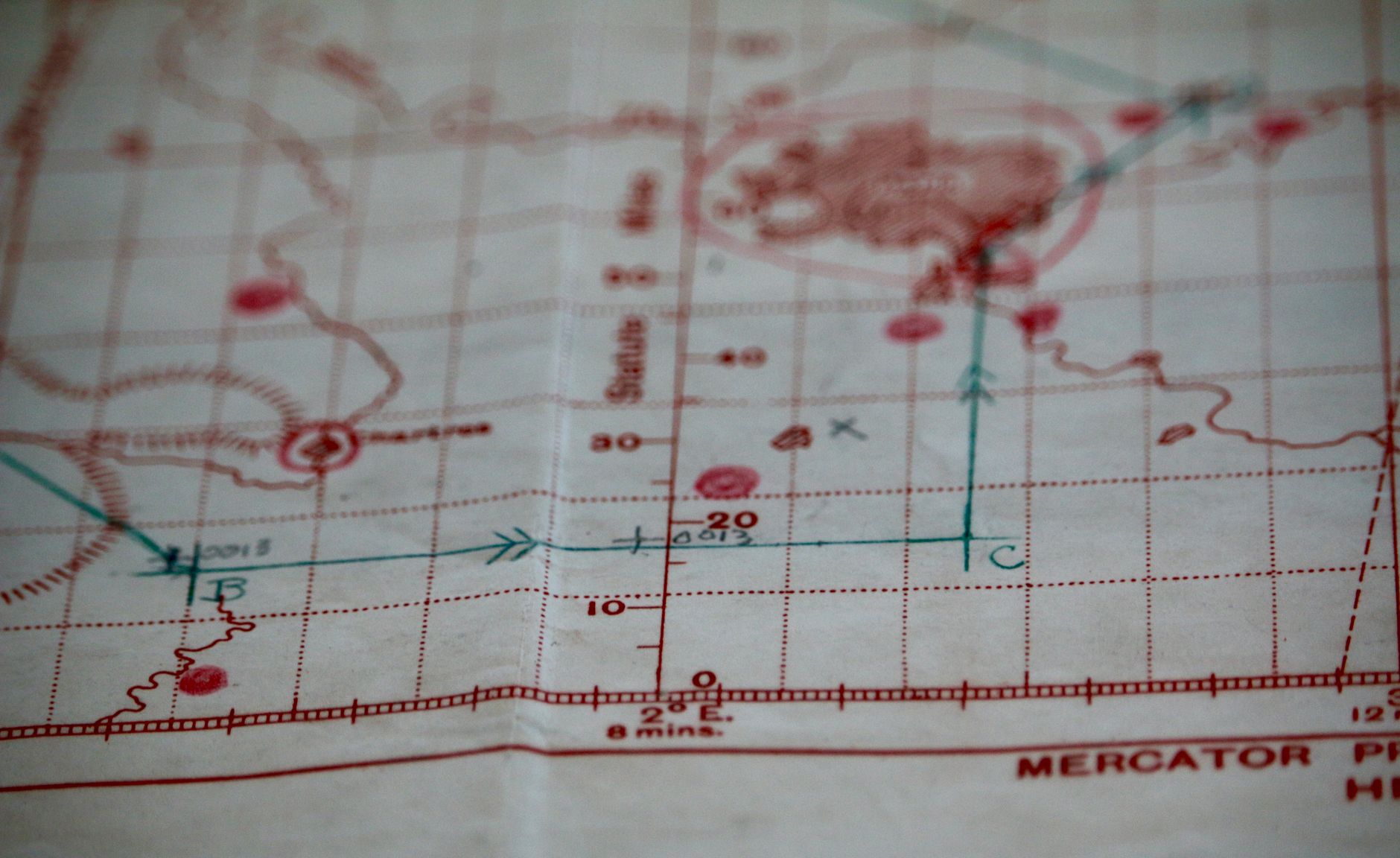
The United Nations has embarked on a cartographic revolution, voting to adopt a world map that reflects Africa's true dimensions. The decision, made by the UN General Assembly, aims to correct the skewed perspectives perpetuated by the Mercator projection, a mainstay since the 16th century.
The 'Correct the Map' resolution, advocated by Togo and supported heavily by the African Union, sailed through with support from 164 member states. This overwhelming approval underscores a global desire to address historical inaccuracies that have long favoured certain continents over others.
The Mercator map, devised by Gerardus Mercator, has famously inflated the size of Europe and North America while diminishing the scale of Africa and South America. The new map promises a more equitable representation, a move celebrated by many African nations as a step towards correcting colonial-era biases.
Geopolitical Ripples
Interestingly, the United States was the lone opposition, a stance that raises questions about its geopolitical motivations. Six other countries abstained, reflecting a cautious approach to a change that has both symbolic and practical implications.
For Africa, this change is more than cartographic. It is a reclaiming of identity and a demand for recognition on the global stage. African leaders hailed the decision as a long-overdue correction of historical wrongs, with many seeing it as a precursor to broader discussions on equity and representation.
Implications and Future Directions
The decision to adopt a new map has sparked discussions about education and diplomacy. Schools worldwide may revise curricula to incorporate the new map, impacting how future generations perceive global geography.
However, the practicalities of this transition are not without challenges. The dissemination of the new map will require coordinated global efforts, not least in digital platforms and GPS technologies accustomed to the Mercator view.
The vote, while seemingly about geography, is a potent reminder of the power dynamics embedded in the very tools we use to navigate the world. As the map changes, so too might our understanding of the world and our place within it.