UN Redraws World Map, Acknowledging Africa's True Size
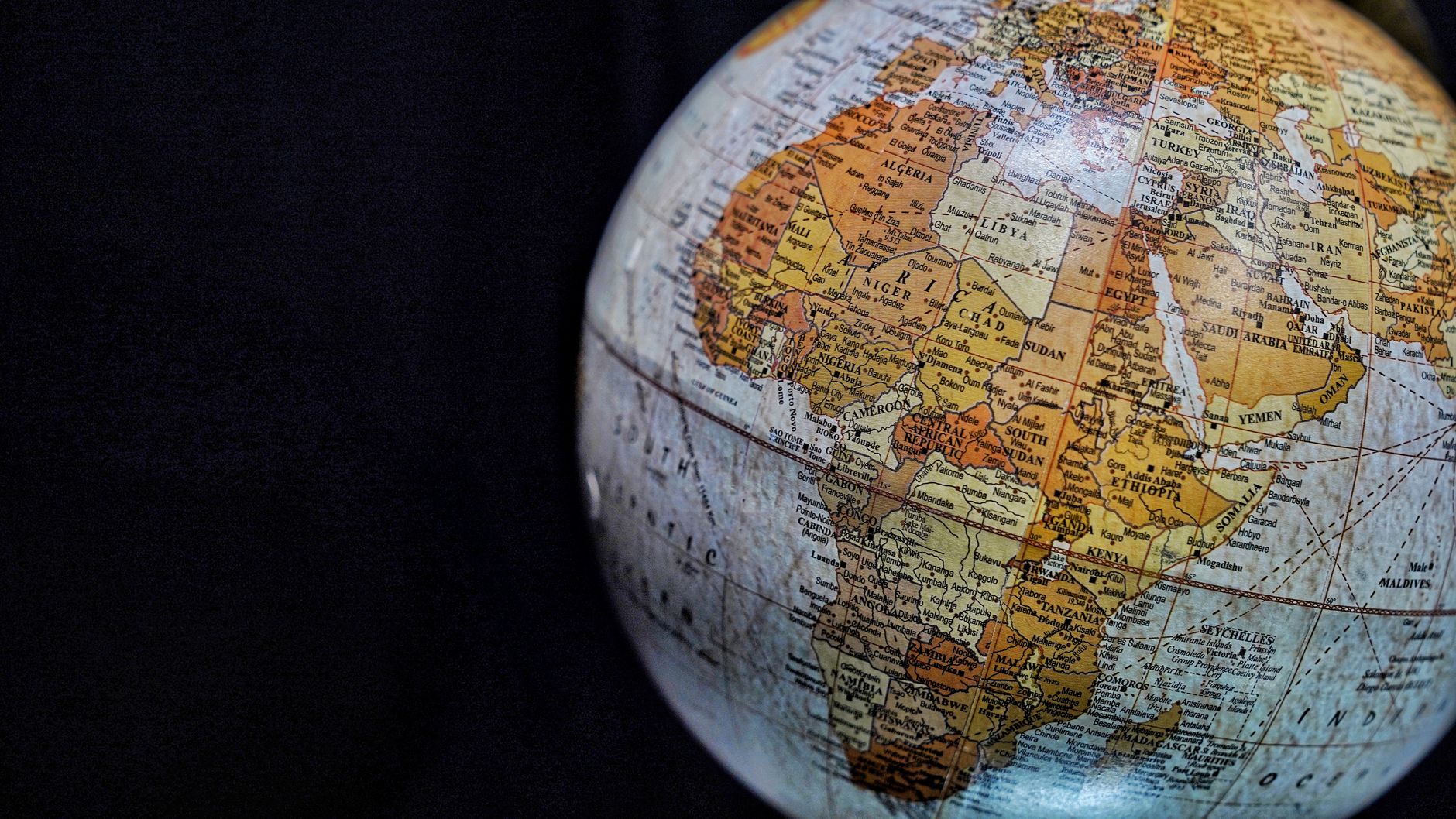
The United Nations has voted to redraw the map of the world, acknowledging the true size of Africa in a move hailed as both historic and overdue. The General Assembly's decision comes after years of lobbying by African nations seeking to right a cartographic wrong that has distorted perceptions for centuries.
Mapping a New Perspective
For many, the Mercator projection—a familiar fixture in classrooms and on walls—has been the definitive world map. However, its representation is far from accurate, particularly when it comes to Africa. The continent, which is larger than India, China, and the United States combined, has been consistently shown much smaller than its true size.
African countries have long argued that this misrepresentation has profound implications. By minimising the continent's size, the map inadvertently diminishes the perception of Africa's significance and potential. The new map, which employs the Gall-Peters projection, addresses this by ensuring countries are depicted in their true proportional size.
A Step Towards Equality
The adoption of the new map is more than a mere adjustment of cartographic lines; it is a symbolic step towards recognising the equality and importance of all continents. "This is not just about geography," stated one African delegate. "It's about fairness, representation, and acknowledging our rightful place in the world."
While the immediate impact of the new map may seem largely educational, experts believe it will influence international relations and global policy-making. As this map becomes the standard, it may challenge existing narratives and encourage a more balanced view of world affairs.
Critics, however, warn that changing a map does not automatically resolve the deeper issues of inequality. They stress that the map should be a starting point for broader conversations about economic and political equity.
Despite these reservations, the adoption of the new world map marks a significant shift in how we view our planet. It serves as a reminder that the world, as we perceive it, can always be reimagined to better reflect reality.