UN Redraws World Map to Highlight Africa's True Size
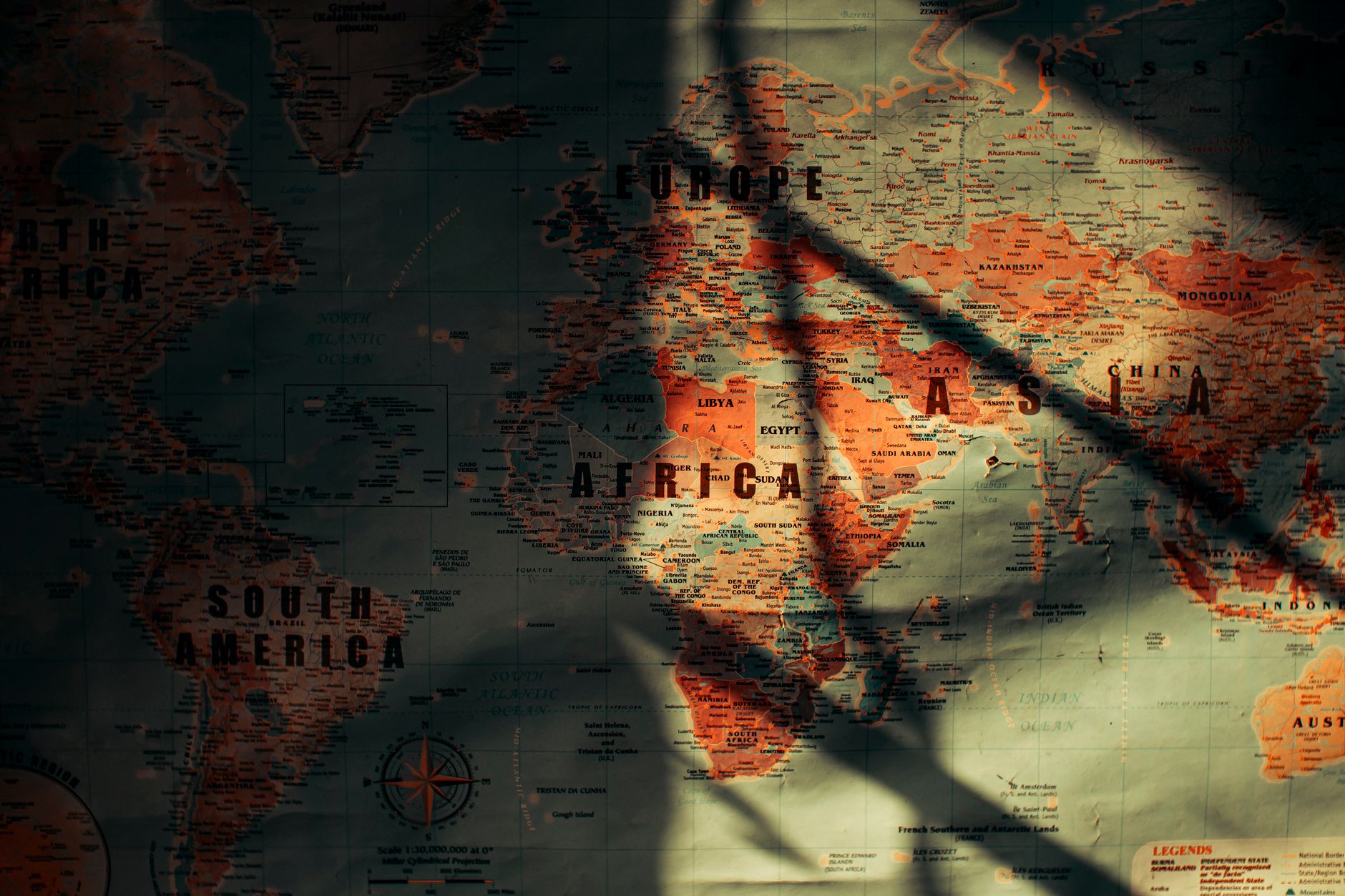
In a move that could reshape not just geography textbooks but also global perceptions, the United Nations General Assembly has voted overwhelmingly to adopt a new world map that presents Africa in its true proportions. The 'Correct the Map' resolution, spearheaded by Togo and vigorously supported by the African Union, received the backing of 164 member states, signalling a significant shift in how the world views the African continent.
Africa's True Size
For centuries, Mercator projection maps have skewed the size of continents, often diminishing Africa's actual area. The traditional depiction has long been criticised for distorting the relative sizes of countries, making nations like the United States and those in Europe appear larger than they are. This cartographical oversight has been more than a matter of geography; it has influenced global understanding and often undermined Africa's importance on the world stage.
"This decision is not just about maps. It is about correcting a historical injustice," stated Togo's UN representative, highlighting the broader implications of this change. The resolution's approval marks an effort to acknowledge and respect the true geographical dimensions of the African continent, which is larger than China, India, and the United States combined.
Implications Beyond Cartography
The adoption of the new map is expected to influence educational materials and geopolitical dialogues, fostering a more equitable understanding of global geography. While it may seem a small change, the psychological impact of visual representation is profound. Scholars have long argued that the underrepresentation of Africa on maps has contributed to its underestimation in economic and political discussions.
Moreover, this move could inspire further discussions on how other regions are portrayed in educational and media contexts, prompting a reevaluation of longstanding narratives. With this, Africa stands not only as a land of vast resources and diverse cultures but also as an equal player on the world map.
As the new maps begin to be printed and disseminated, the hope is that this will lead to a shift in mindset, encouraging the world to view Africa through a lens of reality rather than outdated perceptions.