UN Redraws World Map to Reflect True Size of Africa
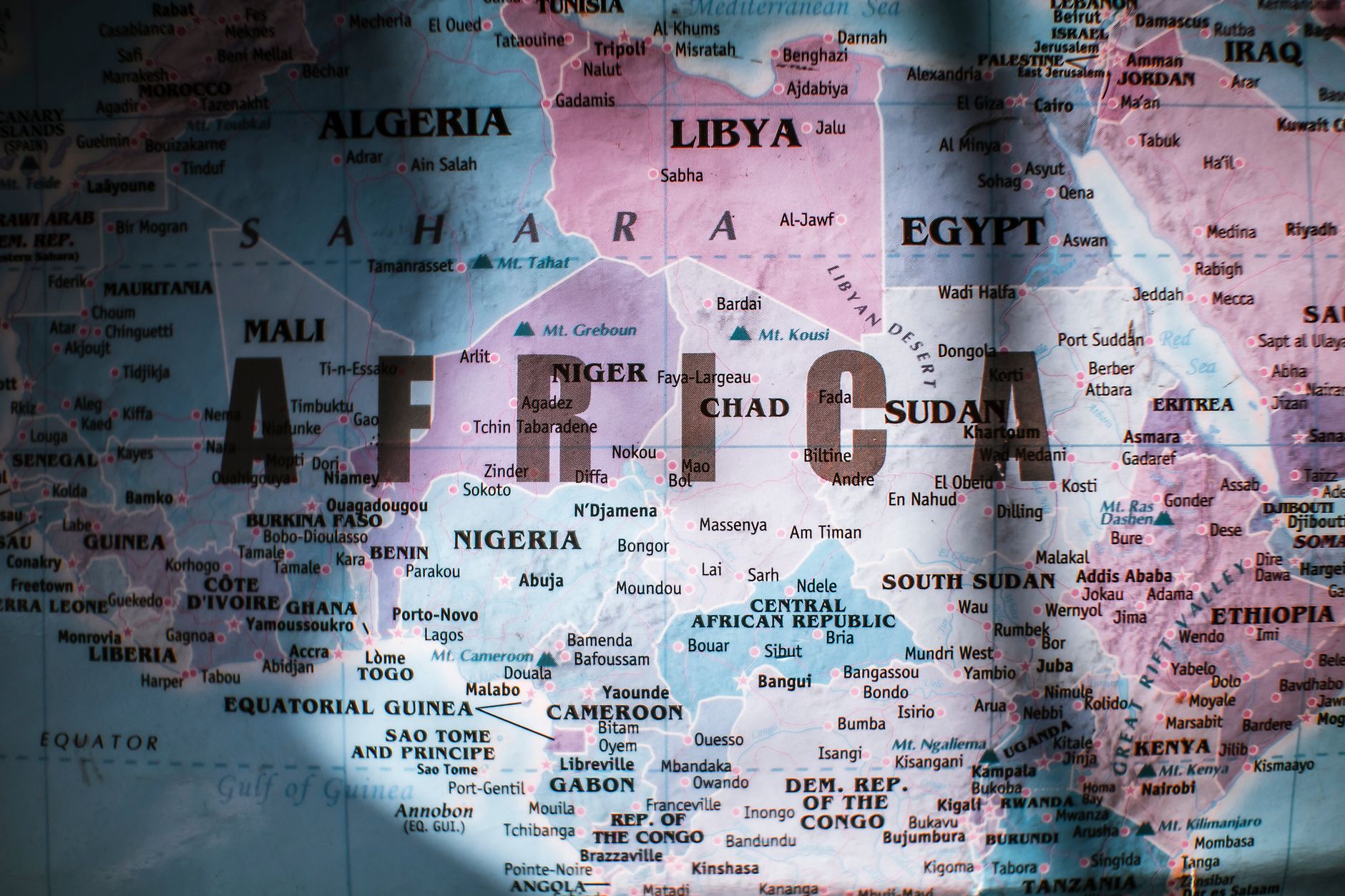
The world has long been misled by maps that tell a distorted tale. In a bid to rectify this, the United Nations General Assembly has voted overwhelmingly to adopt a new world map that presents a more accurate depiction of the continents, particularly Africa. Sponsored by Togo and strongly backed by the African Union, the 'Correct the Map' resolution passed with the support of 164 nations, with only the United States dissenting.
For centuries, the Mercator projection has been the go-to map for educational and navigational purposes. However, its depiction of landmasses, notably Africa, is notoriously misleading. Africa, rich in resources and diversity, has been consistently undersized, while regions like Europe and North America appear comparatively larger. This distortion has not only skewed perceptions but has also had profound implications in geopolitical and socio-economic contexts.
The Push for Change
The impetus for this change came from the African Union, which earlier this year adopted the new map among its 54 member states. The move was seen as a necessary step towards correcting historical inaccuracies and acknowledging Africa's true global standing. By challenging the status quo, the AU aims to shift perspectives both within and outside the continent.
"This is more than just about maps; it's about recognising the reality of our world," said an AU spokesperson. "For far too long, Africa has been sidelined in global discussions, partly due to misconceptions about its size and significance. This is a step towards rectifying that."
A Broader Impact
The resolution's passage is not merely symbolic. It could have tangible effects on everything from educational curriculums to international relations. Schools around the world may soon teach geography using this new map, offering students a more accurate understanding of global geography. Moreover, such a shift could influence international discourse, potentially altering how countries engage with Africa and its issues.
Critics, however, question the practicality of this change, pointing out that the Mercator projection has its uses, particularly in marine navigation. Nevertheless, the overwhelming support for the resolution suggests a global readiness to embrace a more truthful representation of the world.
As the new map is rolled out, the hope is that it will serve as a catalyst for broader discussions about representation and equity on the global stage. For Africa, this could mean a renewed recognition of its vast potential and an opportunity to reshape its narrative in the international arena.