UN Resolution Reshapes World Map, Elevates Africa's True Size
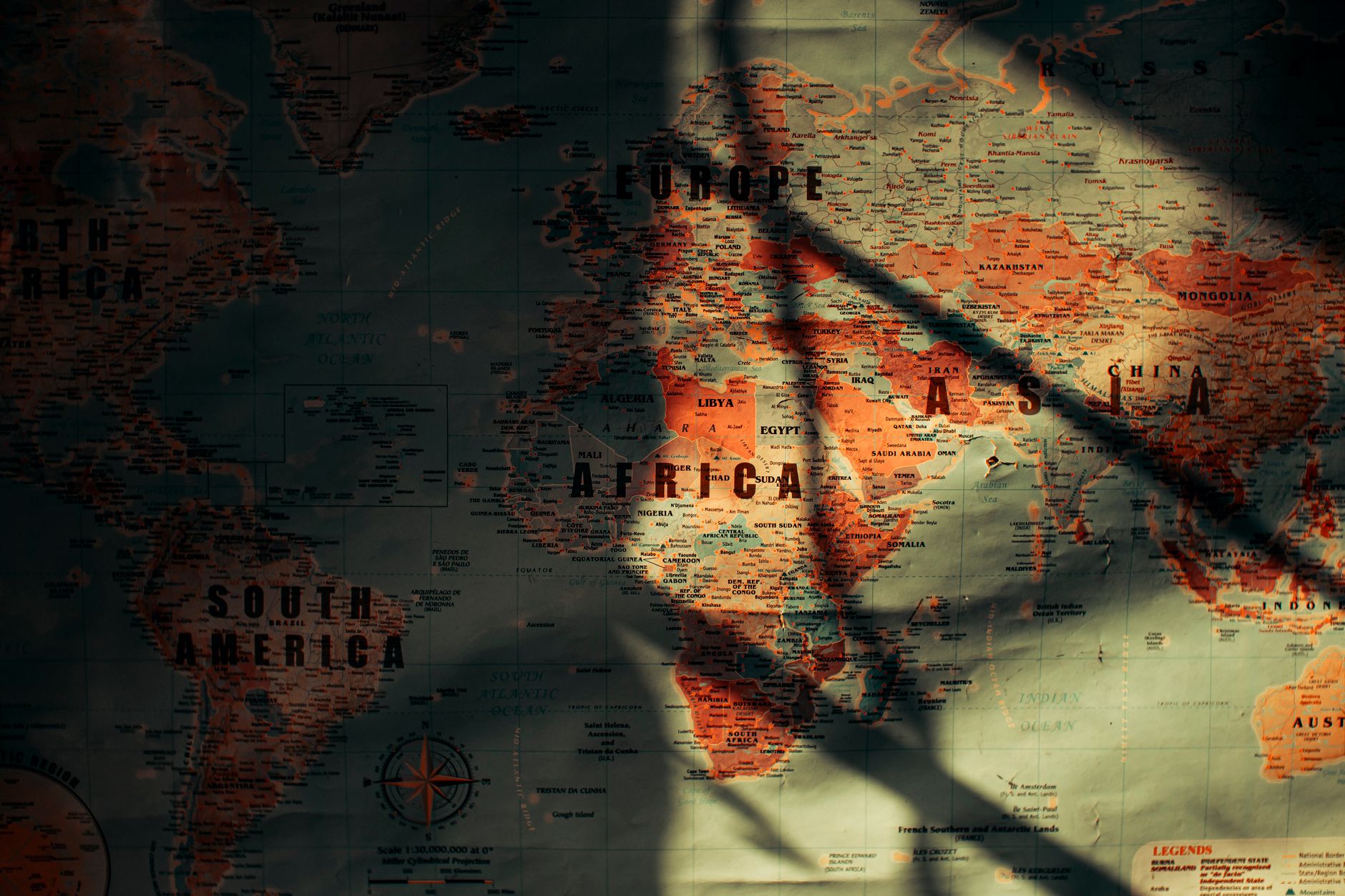
The United Nations General Assembly, in a decision that resonates with historical significance, has voted overwhelmingly to adopt a new world map. This map, unlike its predecessors, aims to accurately represent the true sizes of continents, particularly Africa, which has been historically diminished in scale by traditional cartography.
The 'Correct the Map' resolution, proposed by Togo and backed by a coalition of African Union members, received support from 164 nations. This decisive vote marks a significant shift in how the world views Africa, a continent often underrepresented on global maps due to European-centric projections that have long favoured the Northern Hemisphere.
A Cartographic Correction
For centuries, the Mercator projection has dominated world maps. Developed in 1569, it was designed for navigation, not accuracy. While effective for sailors, it grossly enlarged regions such as Europe and North America, whilst diminishing the size of Africa, South America, and other equatorial regions.
Critics have argued that this distortion perpetuates a skewed perspective of global importance, with Africa appearing smaller and less significant than it truly is. The adoption of a map that better represents geographical reality is not just an aesthetic change; it is a symbolic correction of historical misinformation.
Global Implications
This cartographic shift is more than just a technical adjustment; it represents a broader geopolitical movement towards recognising and addressing historical biases. By accurately depicting Africa's scale, the new map is seen as a step towards rectifying the continent's underrepresentation in global affairs.
Supporters of the resolution argue that such changes can influence perceptions, impacting everything from educational materials to geopolitical negotiations. "Maps are not just tools of geography," said a representative from Togo. "They are instruments of power and perception."
While the new map will not immediately alter borders or economic realities, it is hoped that this symbolic gesture will foster a greater recognition of Africa's potential and influence in world affairs. As nations align their educational and governmental resources with this new representation, the hope is that a more balanced global perspective will emerge.
The United Nations' decision is a reminder of the power of perception and the importance of addressing historical inaccuracies. As the world looks at the newly adopted map, it may find itself viewing Africa—and indeed the entire globe—with fresh eyes.