UN Warns of Inevitable Climate Overshoot: Global Heating to Reach 1.8°C
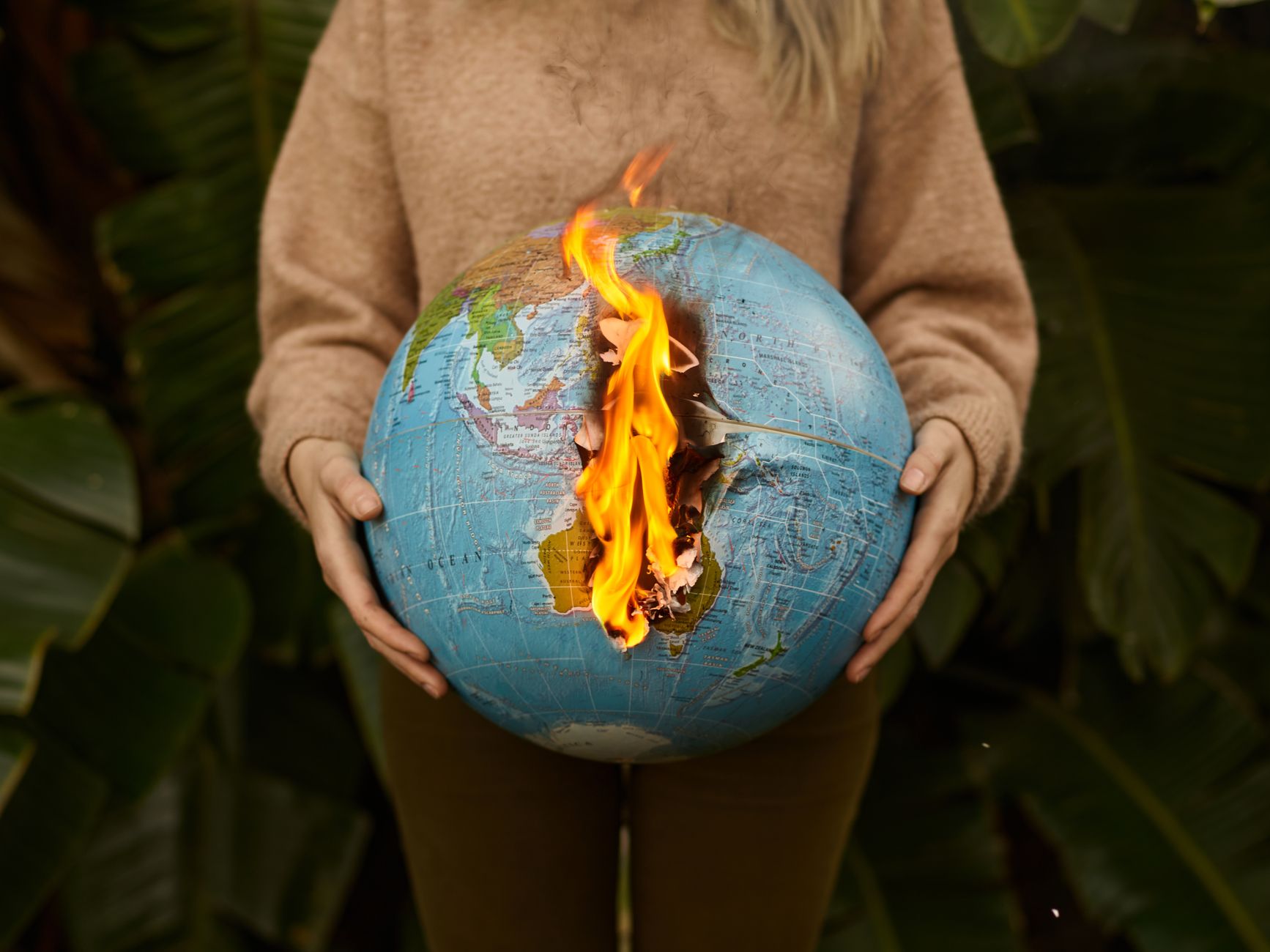
In a stark pronouncement, the United Nations has announced that global temperatures are on a trajectory to reach at least 1.8°C above pre-industrial levels. This sombre projection eclipses the 1.5°C target set by the 2015 Paris Agreement, a goal now deemed virtually unattainable without unprecedented global action.
The report, presented by the United Nations Environment Programme (UNEP), paints a grim picture of the near future. "There are no good outcomes if we remain above 1.5°C," stated UNEP Executive Director Inger Andersen. The world is already witnessing the harrowing consequences of climate change, with extreme heatwaves, devastating floods, and prolonged droughts becoming increasingly common.
Implications Beyond the Numbers
While 1.8°C might appear a modest increase, its implications are anything but. Every fraction of a degree magnifies the severity of climate impacts. From the scorching heatwaves in Europe to the relentless monsoons in South Asia, the effects are immediate and severe. The economic cost is equally staggering, with infrastructure damage, agricultural losses, and health costs running into billions.
Yet, hope is not entirely lost. Scientists assert that it is technically feasible to revert to 1.5°C by implementing swift, deep cuts in emissions and pursuing aggressive carbon removal strategies. However, the window for such action is rapidly closing.
A Call to Action
The UN's announcement serves as a clarion call for nations worldwide. It urges governments and industries to move beyond rhetoric and take concrete actions. Transitioning to renewable energy, enhancing energy efficiency, and investing in sustainable technologies are critical steps that must be prioritised immediately.
The report underscores a stark reality: the path to a stable climate future is fraught with challenges, but inaction is not an option. As global leaders prepare for the upcoming climate summit, the urgency of their deliberations cannot be overstated. The decisions made today will shape the world for generations to come.