Understanding Systolic Pressure: A Key to Brain Health
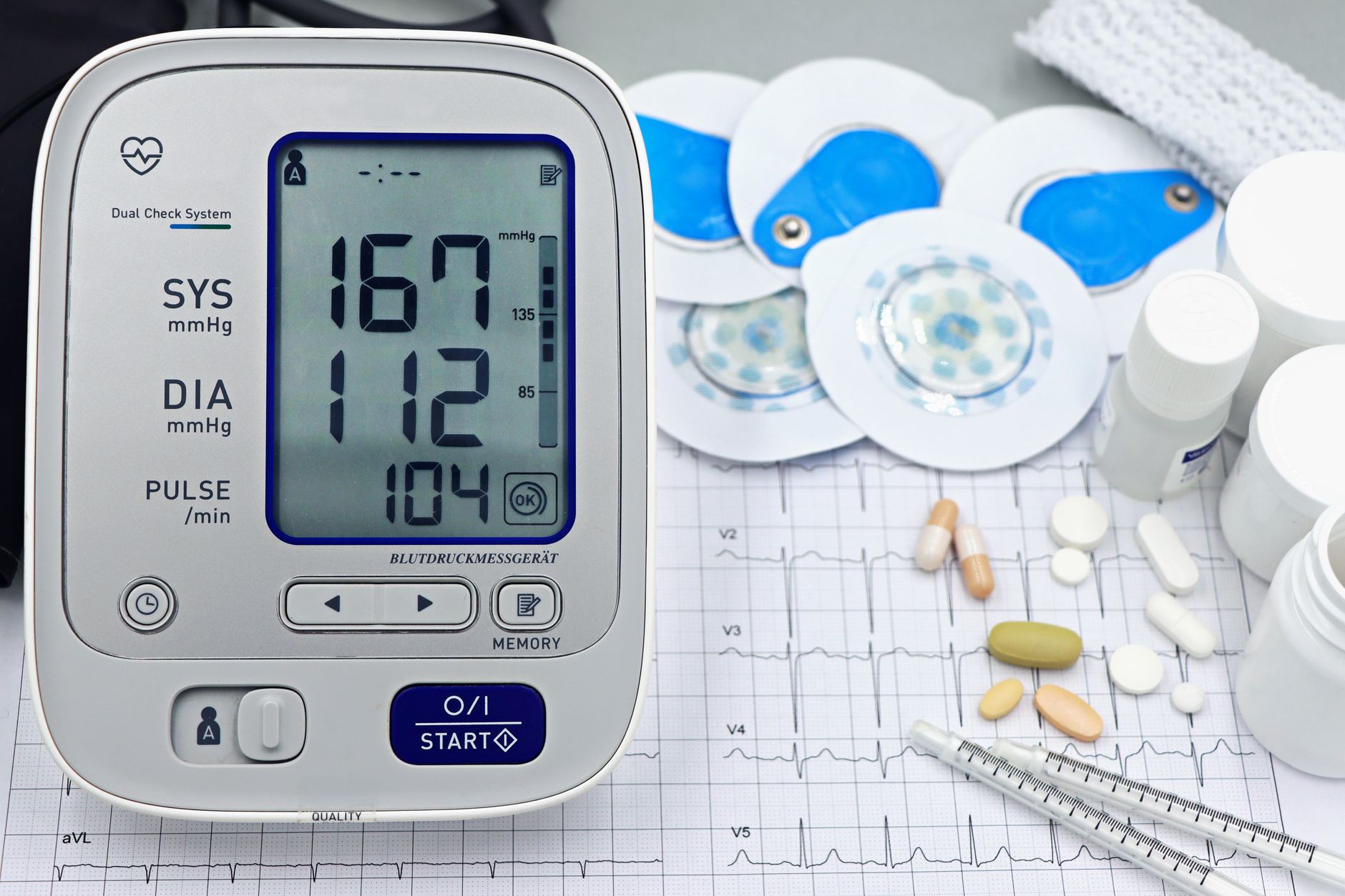
As the cuff tightens around your upper arm and the monitor displays a number, many may wonder: what exactly does that systolic blood pressure figure mean for one's brain? With medical guidelines redefining what constitutes 'normal', understanding the nuances of these numbers is becoming increasingly vital.
Systolic Pressure: The Basics
Systolic blood pressure, the top number in a reading, measures the force your heart exerts on your arteries with each beat. According to health experts, a reading below 120 mmHg is deemed normal. When the systolic number inches between 120 to 129, it's classified as elevated — a prelude to hypertension if unchecked. The real concern arises when this number climbs to 140 mmHg or higher, indicating stage 2 hypertension.
Brain Health at Risk
Why should we care about these numbers? High systolic pressure is not merely a cardiovascular issue. It significantly impacts brain health. Prolonged hypertension can damage the brain's delicate blood vessels, increasing the risk of strokes and cognitive decline. Recent studies suggest a direct correlation between elevated systolic readings and the onset of dementia.
Prevention and Management
Incorporating lifestyle changes such as a balanced diet, regular exercise, and stress management can help maintain a healthy systolic level. For those with readings consistently above normal, medical intervention may be necessary to prevent long-term damage.
Understanding your blood pressure numbers is not merely about immediate health; it's a long-term investment in your brain's future. As we navigate through the complexities of modern life, keeping an eye on that systolic number might just be one of the smartest moves we can make.